

To effectively manage credit card and digital payment fees, you should choose processors with clear, transparent pricing. Regularly review your transaction costs and negotiate better rates as your volume grows. Educate your staff about fee structures so they can confidently explain charges to customers, building trust and reducing disputes. Transparent communication and ongoing monitoring help maintain profitability and customer loyalty, and staying compliant with regulations protects your reputation—continue to explore ways to optimize your fee management strategies.
Key Takeaways
- Choose payment processors with transparent fee structures and negotiate rates based on transaction volume.
- Regularly review and analyze processing fees to identify cost-saving opportunities.
- Clearly disclose all payment-related charges to customers before completing transactions.
- Train staff to confidently explain fees and address customer questions to build trust.
- Implement systems to track and manage digital payment expenses for ongoing cost control.

Managing credit card and digital payment fees is essential for maintaining healthy profit margins and ensuring your business remains competitive. When you handle these costs effectively, you not only safeguard your bottom line but also foster trust with your customers. A key aspect of this is emphasizing consumer protection and fee transparency. Customers appreciate knowing exactly what they’re paying for, and transparent fee practices help build confidence in your business. By clearly communicating any fees upfront, you prevent surprises that could lead to dissatisfaction or lost sales.
Transparent fee practices build customer trust and prevent surprises that can harm your business.
To ensure fee transparency, you should always disclose all charges associated with digital payments before the customer completes their transaction. This includes any service fees, processing charges, or surcharges that could apply. Making this information easily accessible — whether on your website, at the point of sale, or on receipts — demonstrates your commitment to honesty and protects your reputation. When customers feel informed, they’re more likely to trust your business and return in the future.
Consumer protection plays a fundamental role here. Regulations often require merchants to clearly outline fees and ensure they’re not hidden or misleading. Staying compliant with these rules not only keeps you out of legal trouble but also signals to your customers that you prioritize their rights. You can achieve this by regularly reviewing your fee policies and updating your communication strategies to meet current standards. Additionally, providing customers with options to avoid certain fees, such as choosing different payment methods or paying with cash, can further reinforce your commitment to consumer protection.
Managing these fees also involves choosing the right payment processors. Look for providers with transparent fee structures and a reputation for fair practices. Avoid hidden charges or complex fee models that can eat into your profits unexpectedly. Negotiating better rates or volume discounts with your processor can considerably reduce costs, especially as your transaction volume increases. Implementing a system to monitor and analyze your payment processing expenses regularly helps identify areas for cost savings and guarantees you’re not overspending on fees.
Lastly, educating your staff about fee structures and customer communication is essential. When your team understands the importance of fee transparency and consumer protection, they can better explain charges to customers and handle inquiries confidently. This proactive approach reduces disputes and enhances the overall customer experience. Managing credit card and digital payment fees requires vigilance and honesty, but by prioritizing transparency and consumer protection, you’ll create a trustworthy environment that benefits both your business and your customers in the long run. Incorporating best practices from vetted payment methods can further optimize your fee management strategies.

8 Seconds Processing P1: Touchscreen Credit Card Machine – WiFi & 4G POS with Built-in Receipt Printer
- Reliable Processing: Secure onboarding and fast payouts
- Versatile Payment Acceptance: Supports Tap, EMV, Swipe, Mobile Wallets
- Fast Hybrid Connectivity: Dual Ethernet and WiFi for stable connection
As an affiliate, we earn on qualifying purchases.
As an affiliate, we earn on qualifying purchases.
Frequently Asked Questions
How Can I Negotiate Lower Payment Processing Fees With Providers?
You can negotiate lower payment processing fees by leveraging merchant incentives and fee comparison tools. Contact your providers and ask about promotional offers or discounts, highlighting your sales volume to negotiate better rates. Use fee comparison tools to research competitors’ rates, then present this data to your current provider to encourage a price match or lower fee. Staying informed and proactive helps you secure more favorable terms.
What Are the Latest Trends Affecting Digital Payment Fee Structures?
You should stay updated on cryptocurrency fees and mobile payment trends, as they heavily influence digital payment fee structures. Cryptocurrency transactions often come with variable fees, prompting providers to adjust their rates. Meanwhile, mobile payment trends like contactless and peer-to-peer payments are driving competitive pricing strategies. By monitoring these trends, you can better understand fee changes and negotiate better terms or select providers aligned with current market shifts.
How Do International Transactions Impact Credit Card Fee Costs?
When you make international transactions, you often face higher credit card fees due to currency exchange and fraud prevention measures. Coincidentally, these fees are necessary to cover the costs of converting currencies and protecting against fraud risks. You might notice extra charges from your card issuer, especially when crossing borders. Staying aware of these costs helps you manage expenses better and avoid surprises on your statement.
Are There Tax Implications Related to Payment Processing Fees?
Yes, there are tax implications related to payment processing fees. You can often deduct these fees as business expenses, which helps reduce your taxable income. However, you need to stay aware of reporting requirements, such as keeping detailed records of all fees paid throughout the year. Proper documentation guarantees you can claim tax deductions accurately and defend them if you’re ever audited. Always consult a tax professional for personalized advice.
How Do I Choose the Best Payment Gateway for Fee Savings?
Pick a payment gateway that prioritizes payment security and provides a seamless user experience. Compare costs carefully—look for transparent fee structures and low transaction fees. Test for trusted security protocols to protect customer data, and choose a provider that’s easy to integrate and intuitive for users. By balancing budget-friendly fees with robust security and smooth usability, you’ll secure savings while satisfying your customers’ shopping satisfaction.

Computer Exposure Employee Time Tracking Software | Single PC, 100 Employees | Windows 7-11 | No Monthly Fees | Free Support
- Single PC Employee Tracking: Supports up to 100 employees on one PC
- No Monthly Fees: One-time purchase with no recurring costs
- Made in the USA: Product manufactured in the United States
As an affiliate, we earn on qualifying purchases.
As an affiliate, we earn on qualifying purchases.
Conclusion
Now that you understand the tactics to manage credit card and digital payment fees, you’re better equipped to protect your bottom line. But remember, as payment technologies evolve, new fees and strategies will emerge. Staying vigilant and adaptable is essential. Are you ready to navigate this ever-changing landscape and keep your costs under control? The next move could make all the difference—don’t let hidden fees catch you off guard.
As an affiliate, we earn on qualifying purchases.
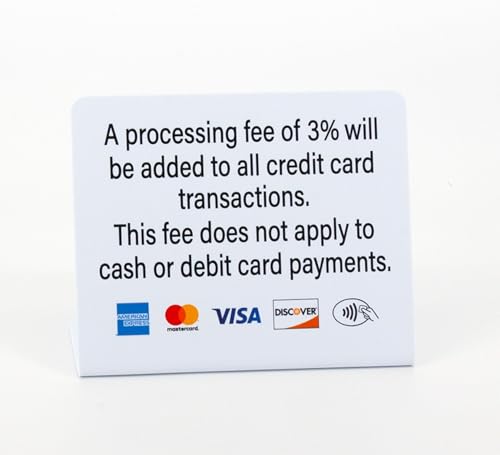
3pk Processing Fee Payment Signs, 3% Credit Card Fee Notice, Countertop Display with Major Credit Cards and Contactless, Business Credit Card Payment Signs
- Processing Fee Signs: Set of 3 signs for credit card fees
As an affiliate, we earn on qualifying purchases.
As an affiliate, we earn on qualifying purchases.