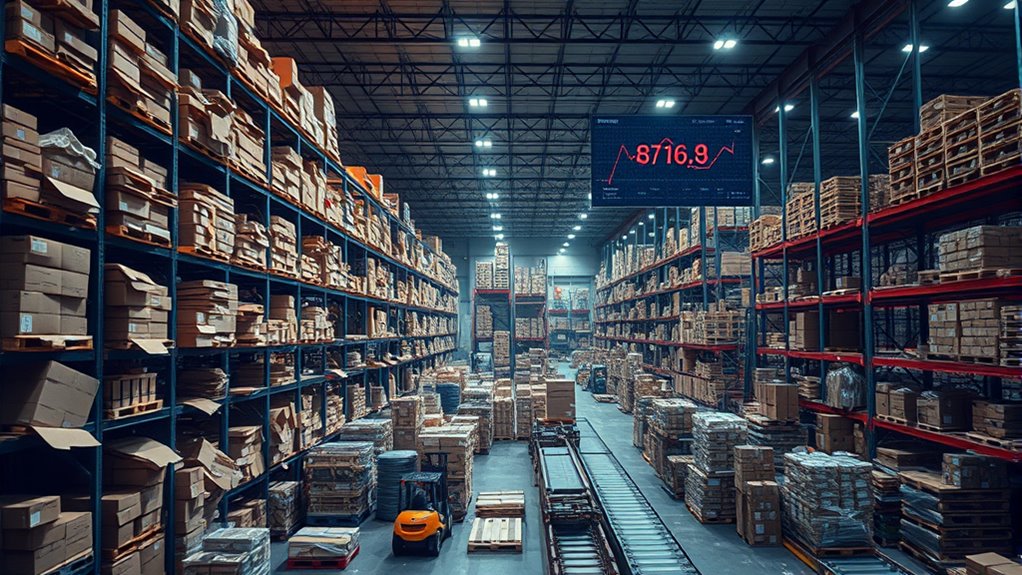

To manage supply chain disruptions and rising costs, focus on strategic inventory management and diversify your suppliers. Maintain balanced stock levels, use just-in-time practices, and avoid overstocking or stockouts. Rely on multiple vendors to reduce vulnerabilities and quickly respond to delays. Combining these strategies helps build resilience and reduces operational risks. To learn how to implement these approaches effectively, consider exploring proven techniques that strengthen your supply chain’s stability.
Key Takeaways
- Diversify suppliers to reduce dependency and ensure alternative sourcing during disruptions.
- Implement inventory optimization techniques like just-in-time to balance stock levels and control costs.
- Enhance supply chain visibility for early detection of issues and proactive mitigation.
- Foster strong supplier relationships and communication for quick resolution of delays or quality problems.
- Develop a resilient supply chain framework combining diversification and inventory strategies to withstand shocks.

Supply chain disruptions have become an all-too-common challenge for businesses, leading to unexpected delays and increased expenses. When your supply chain falters, your ability to meet customer demand and maintain profitability is at risk. To mitigate these issues, you need to focus on inventory optimization. By carefully managing your stock levels, you can avoid overstocking or stockouts that add unnecessary costs. Implementing just-in-time inventory practices can help you reduce excess inventory, freeing up cash flow and minimizing storage costs. At the same time, maintaining a balanced inventory ensures you can respond quickly to demand fluctuations without tying up too much capital in unused stock.
Another crucial strategy is supplier diversification. Relying heavily on a single supplier leaves you vulnerable if they encounter disruptions, whether due to geopolitical issues, natural disasters, or other unforeseen events. By diversifying your supplier base, you spread the risk across multiple vendors, making your supply chain more resilient. This approach allows you to switch sources swiftly if one supplier faces delays or quality issues, ensuring continuity in your operations. It also encourages competitive pricing and better terms, as multiple suppliers vie for your business. When you diversify, you’re not just protecting yourself from disruptions—you’re also gaining leverage to negotiate better deals, which can help offset rising costs.
In addition, understanding the importance of projector technology can be beneficial in various business presentations and client meetings, making your communication more effective and engaging. Combining inventory optimization with supplier diversification creates a robust framework for managing disruptions. For instance, having multiple suppliers for critical components means you can adjust your inventory levels based on the reliability and lead times of each vendor. If one supplier faces delays, you can rely on others to fill the gap, reducing the risk of production halts. This flexibility helps control costs by preventing emergency orders at premium prices. Additionally, proactive communication with your diverse supplier network keeps you informed about potential issues before they impact your inventory levels or delivery schedules. Staying ahead of problems enables you to plan better and avoid costly last-minute solutions.
In essence, managing supply chain disruptions requires a strategic approach centered on optimizing your inventory and broadening your supplier network. These practices work hand-in-hand to create a resilient supply chain, capable of withstanding shocks and controlling costs even amid global uncertainties. You’ll find that by investing in these areas, you not only reduce your vulnerability but also position your business for sustained growth and stability, regardless of external disruptions. Staying proactive and flexible is key to charting the unpredictable landscape of modern supply chains, ensuring you can meet customer demands efficiently and profitably.
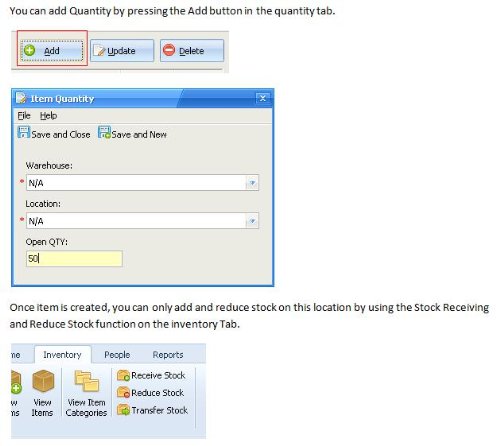
Inventory Management Professional; Inventory Tracking and Management Professional Software
- Inventory Management Software: Comprehensive inventory management solution
- Handles Millions of Items: Manage large inventories seamlessly
- Multi-Inventory Tracking: Track various inventory types
As an affiliate, we earn on qualifying purchases.
As an affiliate, we earn on qualifying purchases.
Frequently Asked Questions
How Can Technology Predict Future Supply Chain Disruptions?
You can use technology, like predictive analytics, to forecast potential supply chain disruptions. These tools analyze historical data, market trends, and real-time information to identify patterns that signal risks. By conducting risk assessments with this data, you’ll spot vulnerabilities early, allowing you to take proactive steps. This approach helps you anticipate problems before they happen, minimizing delays and keeping your supply chain resilient.
What Are the Best Strategies for Supplier Diversification?
Don’t put all your eggs in one basket; diversify your suppliers to reduce risk. Conduct thorough supplier evaluations and risk assessments to identify reliable partners across different regions or industries. Establish relationships with multiple suppliers and consider local options for quicker response times. Regularly review supplier performance and market conditions to adapt your diversification strategy, ensuring your supply chain remains resilient against disruptions and cost fluctuations.
How Do Geopolitical Issues Impact Supply Chain Costs?
Geopolitical issues, like trade sanctions and political instability, directly raise your supply chain costs. Trade sanctions can block access to key markets or suppliers, forcing you to find more expensive alternatives. Political instability increases risks, leading to higher insurance premiums and delays. These factors make sourcing more unpredictable and costly, requiring you to monitor global developments closely and adjust your supply chain strategies to mitigate financial impacts effectively.
What Role Does Sustainability Play in Managing Disruptions?
Sustainability helps you manage disruptions by emphasizing sustainable sourcing and eco-friendly logistics. By sourcing responsibly, you reduce dependence on unstable regions and guarantee a reliable supply chain. Eco-friendly logistics minimizes environmental risks and enhances resilience during disruptions. Incorporating sustainable practices allows you to adapt quickly, maintain stakeholder trust, and reduce costs over time. Ultimately, sustainability creates a more resilient supply chain, better equipped to handle unexpected challenges efficiently.
How Can Small Businesses Mitigate Supply Chain Risks Effectively?
Think of yourself as a captain steering unpredictable waters. To mitigate supply chain risks, you should implement inventory buffering to handle sudden shortages and focus on local sourcing to reduce dependency on distant suppliers. Building strong relationships with local vendors ensures quicker responses during disruptions. Regularly review and diversify your supply sources, stay informed on market trends, and adapt swiftly to changes to keep your business resilient and afloat.

IoT Supply Chain Security Risk Analysis and Mitigation: Modeling, Computations, and Software Tools (SpringerBriefs in Computer Science)
As an affiliate, we earn on qualifying purchases.
As an affiliate, we earn on qualifying purchases.
Conclusion
By staying adaptable and proactive, you can weather supply chain storms and rising costs. Remember, every challenge is a stepping stone, not a stumbling block—turn disruptions into opportunities for growth. Like a captain steering turbulent seas, your resilience and strategic planning will steer your business safely through the chaos. Embrace change with confidence, and you’ll not only survive but thrive amid uncertainty. The key lies in your hands—seize it.

Warehouse Management and Inventory Control System
As an affiliate, we earn on qualifying purchases.
As an affiliate, we earn on qualifying purchases.

Oumers Bike Chain Repair Tools Set, Bicycle Chain Break Tool, Master Link Pliers, Bike Wear Checker Indicator Opener Closer Remover Pliers
- Complete Bicycle Chain Repair Set: Includes chain tool, link pliers, and checker
- Easy Chain Opening and Reconnection: Designed for simple chain removal and reassembly
- Convenient Chain Riveting Tool: Features groove, thimble, and hook for ease of use
As an affiliate, we earn on qualifying purchases.
As an affiliate, we earn on qualifying purchases.