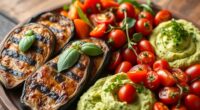
Plant-based and vegan food trucks are embracing sustainable trends by using biodegradable packaging, compostable utensils, and partnering with eco-conscious suppliers. They focus on sourcing local, seasonal ingredients to support nearby farms and reduce transportation emissions. These practices not only help protect the environment but also foster community engagement and transparency with customers. As this movement grows, exploring these innovative approaches can reveal how food trucks lead the way in ethical, eco-friendly dining.
Key Takeaways
- Increasing adoption of sustainable packaging like biodegradable containers and utensils to reduce plastic waste.
- Emphasis on sourcing local, seasonal ingredients from nearby farms to support community and reduce carbon footprint.
- Growing consumer demand for transparency about sourcing, environmental impact, and eco-friendly practices.
- Integration of eco-conscious practices, including waste reduction and community engagement, into street food operations.
- Industry trend toward innovative, responsible food options aligning with environmental and ethical values.

Have you noticed how plant-based and vegan food trucks are transforming the street food scene? They’re not just offering delicious, eco-friendly options—they’re also setting new standards for sustainability and community support. One way these trucks stand out is by prioritizing sustainable packaging. Instead of single-use plastics or Styrofoam, they opt for biodegradable containers, compostable utensils, and eco-friendly wraps. This commitment reduces waste and aligns with the values of environmentally conscious customers. By choosing sustainable packaging, you’re not only enjoying tasty food but also helping decrease pollution and conserve natural resources.
Plant-based food trucks are leading the way with eco-friendly, biodegradable packaging that reduces waste and supports sustainability.
Another key trend is local ingredient sourcing. These food trucks focus on buying fresh produce, grains, and other ingredients directly from nearby farms and suppliers. This approach benefits the local economy, supports small-scale farmers, and ensures that the ingredients are fresh and of high quality. When you order from a vegan food truck that emphasizes local sourcing, you’re getting meals made with ingredients that haven’t traveled long distances, which reduces carbon emissions linked to transportation. Plus, it often means that the food is more flavorful and seasonal, reflecting what’s available right in your community.
By combining plant-based menus with sustainable practices, these trucks are reshaping how you think about street food. They’re making it easier for you to make eco-friendly choices without sacrificing taste or convenience. Many trucks openly share their sourcing stories and sustainability efforts, making your dining experience more meaningful. You might find yourself appreciating the transparency and connection to local producers, which adds depth to your meal.
The emphasis on sustainable packaging and local sourcing also influences how these trucks operate daily. They often develop partnerships with local farms and eco-conscious suppliers, fostering a sense of community and shared responsibility. This approach encourages other vendors to adopt similar practices, amplifying the positive impact across the street food scene. It’s not just about serving vegan or plant-based dishes; it’s about creating a sustainable, ethical model that benefits everyone involved—from farm to fork.
In addition, many of these trucks utilize sustainable packaging solutions that are designed to decompose naturally within a few months, further reducing their environmental footprint. When you choose to eat from a plant-based vegan food truck that uses sustainable packaging and sources locally, you’re supporting a movement that values health, environment, and community. It’s a simple act with big implications—reducing waste, lowering your carbon footprint, and encouraging more responsible food practices. As these trends continue to grow, you can expect street food to become more innovative, conscious, and aligned with the needs of our planet.

Waring Pro Prep Chopper Grinder with 3/4 Quart Capacity
- Capacity: 3-cup dual bowl food processor
- Motor Power: 3/4 HP high-speed motor
- Design: Compact stackable bowl design
As an affiliate, we earn on qualifying purchases.
Frequently Asked Questions
How Do Vegan Food Trucks Handle Cross-Contamination Concerns?
You handle cross-contamination concerns by implementing strict allergen management and cross-contact prevention strategies. You use separate utensils, cutting boards, and storage for different ingredients, especially allergens. You also train staff on proper cleaning procedures and clear communication with customers about potential risks. Regularly sanitizing surfaces and equipment guarantees safety. These steps help you maintain a safe environment, reassuring customers that their dietary needs and allergen concerns are taken seriously.
What Are the Most Popular Plant-Based Ingredients Used in These Trucks?
You’ll find tofu varieties like firm, silken, and smoked in many vegan food trucks, offering versatile protein options. Alongside these, plant-based sauces such as cashew-based, tahini, and spicy sriracha add flavor and depth. These ingredients are popular because they’re readily available, adaptable, and satisfy diverse tastes. By combining tofu with flavorful sauces, you create satisfying, delicious dishes that appeal to both vegans and non-vegans alike.
How Do Vegan Food Trucks Ensure Food Safety and Freshness?
You guarantee food safety and freshness by maintaining strict hygiene practices, storing ingredients properly, and regularly cleaning your truck. Sourcing local ingredients helps you get fresher produce and reduces transit time. Using sustainable packaging keeps your food safe during transport and minimizes waste. By monitoring temperatures and practicing proper handling, you protect your customers and uphold high standards while supporting eco-friendly initiatives.
What Are Common Challenges Faced by Vegan Food Truck Entrepreneurs?
Like steering a maze, you face challenges such as setting competitive menu pricing and developing strong branding strategies. Balancing affordability with quality can be tricky, and standing out amid numerous trucks requires clever branding. You also grapple with sourcing fresh ingredients and managing operational costs. Staying innovative and connected to your audience helps you overcome these hurdles, ensuring your vegan food truck thrives in a competitive market.
How Do Vegan Food Trucks Attract and Retain Regular Customers?
To attract and retain regular customers, focus on building customer loyalty through consistent, high-quality food and friendly service. Use social media actively to showcase your menu, share updates, and engage with your audience. Offer loyalty programs or discounts to encourage repeat visits. By creating a strong community presence online and providing an exceptional experience in person, you’ll turn first-time customers into loyal patrons who keep coming back.

Ganiza Food Processor with Dual Bowls, 2-Speed Food Chopper & Meat Grinder
- Patented Button Design: Ergonomic, easy to press, reduces fatigue
- Overheat Protection Light: Smart indicator for safe operation
- Dual Bowls Included: 8-cup glass and stainless steel bowls
As an affiliate, we earn on qualifying purchases.
Conclusion
As you explore the vibrant world of plant-based and vegan food trucks, it’s clear these trends are more than just a passing fad—they’re shaping the future of fast food. With innovative menus and growing demand, you might wonder if this movement will continue to expand. So, why not hop on board and enjoy the delicious, sustainable options these trucks offer? After all, embracing plant-based eats could be your next exciting culinary adventure.
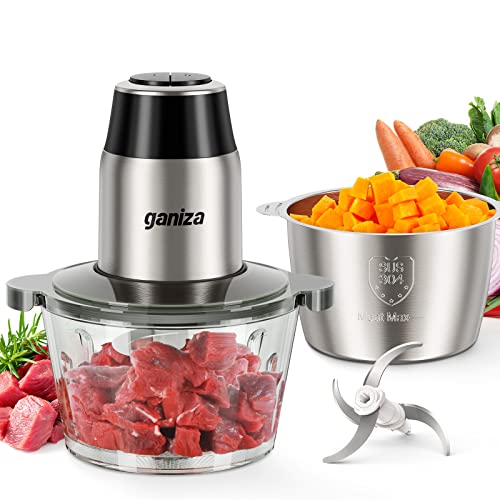
Ganiza Food Processors with 2 Bowls, 450W Meat Grinder Vegetable Chopper
- Kitchen Helper: Includes 2 bowls and blades for versatile tasks
- Large Capacity: 8-cup glass and stainless steel bowls
- Powerful Motor: 450W full-copper motor for efficiency
As an affiliate, we earn on qualifying purchases.

Ninja Professional Plus Food Processor, 1000PW, 9-Cup, Grey, BN601
- Powerful Motor: 1000-peak-watt for tough ingredients
- Auto-IQ Technology: 4 preset programs for easy prep
- Large Capacity: 9-cup bowl for big batches
As an affiliate, we earn on qualifying purchases.