The rise of virtual food trucks and ghost kitchens is changing how you enjoy food by making it faster, more flexible, and tech-driven. These innovative setups allow you to access a wide variety of cuisines without traditional restaurants, using digital menus, GPS tracking, and social media updates. They’re designed for quick service, affordability, and adaptability to your preferences and location. Keep exploring to find out how these trends could shape your next dining experience.
Key Takeaways
- Virtual food trucks and ghost kitchens offer flexible, on-demand dining options beyond traditional restaurants, driven by consumer demand for speed and convenience.
- Integration of digital tools like GPS, online ordering, and social media enhances customer engagement and operational efficiency for these models.
- Food trucks leverage low overhead costs and mobility to adapt quickly to trends, locations, and customer preferences.
- Ghost kitchens streamline food prep and delivery processes, enabling multiple cuisines and brands within shared or dedicated facilities.
- These innovative concepts are transforming the food industry by providing faster, more personalized, and diverse dining experiences.
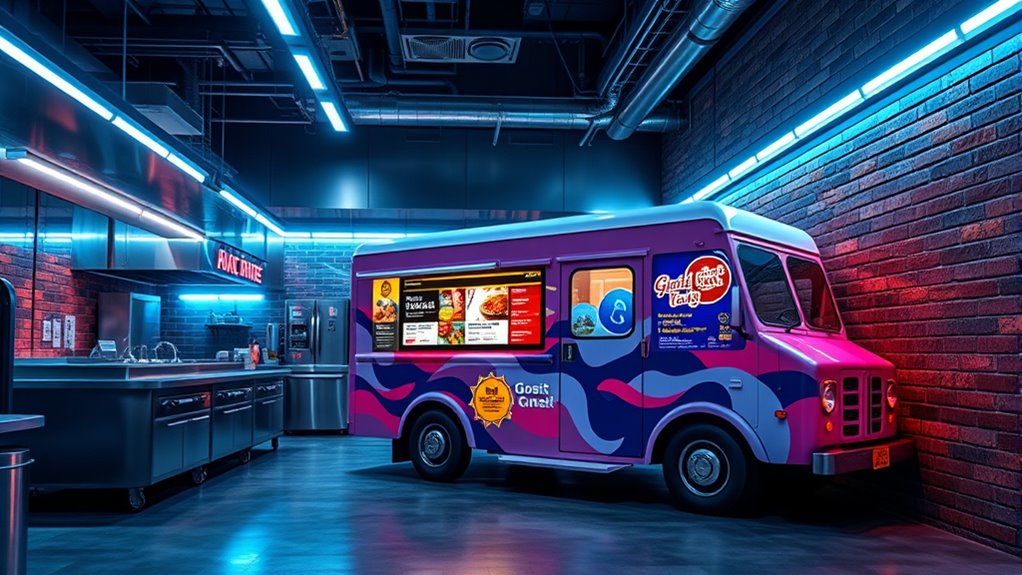
Have you ever wondered how food delivery options have evolved beyond traditional restaurants? The answer lies in the rise of virtual food trucks and ghost kitchens, which are transforming the way you experience dining out and ordering in. These innovations are driven by a desire to deliver delicious food faster, more efficiently, and with greater flexibility. Food truck innovation, for instance, has moved beyond the streets, incorporating high-tech setups that allow chefs to serve a broader audience without the constraints of physical storefronts. These mobile kitchens can quickly adapt to changing trends, locations, or customer preferences, all while maintaining a low overhead. Meanwhile, ghost kitchen logistics focus on streamlining food prep and delivery processes behind the scenes, often operating out of shared spaces or dedicated facilities that cater exclusively to online orders. This model minimizes costs and maximizes efficiency, enabling restaurants to scale rapidly without the need for storefronts in prime locations.
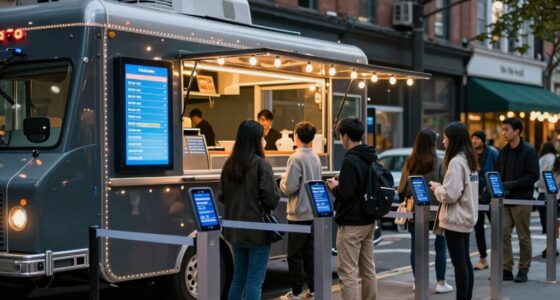
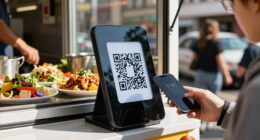
The key to this shift is how these concepts leverage technology and strategic planning to reach customers more effectively. Food truck innovation isn’t just about adding wheels; it involves integrating digital ordering systems, GPS tracking, and social media marketing to create a seamless experience. You can now order from a virtual food truck that might not have a physical location but is strategically parked in high-traffic areas or at events, making it easier to access popular dishes on the go. Ghost kitchens, on the other hand, focus on optimizing kitchen layouts, inventory management, and delivery workflows. They use ghost kitchen logistics to coordinate multiple brands or cuisines within a single facility, so you get variety and quality without the wait or the traditional restaurant setting. Moreover, whole foods and healthy ingredients are increasingly incorporated into these operations to meet the growing demand for nutritious options.
Both models emphasize speed and convenience—qualities you value when craving a quick, satisfying meal. The innovation in food trucks allows for more dynamic, on-demand service, while ghost kitchens ensure that your food is prepared efficiently behind the scenes, often with faster turnaround times. As technology continues to advance, these concepts will become even more integrated, offering personalized experiences tailored to your preferences. You might find yourself ordering from a virtual truck parked at a local park or a ghost kitchen that specializes in your favorite cuisine, all without leaving your home or office. This shift isn’t just about convenience; it’s about redefining how food businesses operate and how you access your favorite dishes in a rapidly changing marketplace. The future of food delivery is here, and it’s more innovative and accessible than ever.

Mandoe Essentials Digital Signage Player for Restaurants & Business
- Restaurant Digital Menu Boards: Replace printed menus easily
- AI Content Creation: Generate menus and promotions instantly
- Plug & Play Setup: Connect via HDMI, no IT required
As an affiliate, we earn on qualifying purchases.
Frequently Asked Questions
How Do Virtual Food Trucks Ensure Food Quality?
You can guarantee food quality by implementing strict food quality control measures and maintaining consistent ingredient sourcing. Regularly check that ingredients meet safety and freshness standards, and train your staff to follow proper food handling procedures. Using quality suppliers and maintaining proper storage also help keep ingredients fresh. By monitoring these aspects closely, you’ll serve high-quality dishes that satisfy your customers and build a strong reputation.
What Are the Initial Costs to Start a Ghost Kitchen?
Starting a ghost kitchen typically costs between $100,000 and $300,000, depending on location, size, and equipment. Your cost estimation should include kitchen setup, licensing, branding, and marketing expenses. To optimize your investment strategies, consider leasing space instead of buying, and prioritize essential equipment first. Planning carefully helps reduce costs and makes sure you’re prepared for the initial investment needed to launch your virtual food operation effectively.
How Do Virtual Kitchens Monitor Food Safety Standards?
Think of virtual kitchens as vigilant guardians of quality, constantly overseeing food safety standards. You monitor compliance by regularly reviewing hygiene protocols and ensuring staff hold essential food safety certifications. You conduct routine inspections, utilize digital tracking systems, and stay updated on health regulations to keep standards high. This proactive approach helps maintain cleanliness, eliminate risks, and assure customers of safe, delicious meals every time.
What Licensing Is Required for Virtual Food Operations?
You need to obtain proper food licensing and adhere to health regulations to operate virtual food businesses legally. This typically involves registering your kitchen with local health departments, passing inspections, and securing permits specific to food handling and preparation. You may also need a business license and possibly zoning approvals. Make sure to stay updated on regional requirements, as they can vary, ensuring your virtual operation remains compliant and safe.
How Do Delivery Logistics Impact Virtual Kitchen Profitability?
Imagine a delicate dance across a bustling stage—your delivery network and inventory management directly influence your virtual kitchen’s success. If you streamline your delivery routes and optimize inventory, you’ll reduce delays and costs, boosting profitability. Conversely, inefficient logistics create bottlenecks and waste, draining resources. Focusing on these elements guarantees your virtual kitchen operates smoothly, satisfying customers promptly while maintaining healthy margins, turning logistics into your competitive advantage.

Digital Signage Player - Signage For Business & Electronic Menu Board- Auto-Post Content On Digital Display Board, Cloud Controlled 4K Media Player + Upgrade for AI Designer & Template Library
- Easy Plug & Play Setup: Quick setup with HDMI, power, and Wi-Fi
- Free Content Upload & Scheduling: Upload and schedule content at no cost
- Premium Tools & Upgrades: Access Template Builder and AI Enhancer
As an affiliate, we earn on qualifying purchases.
Conclusion
As you imagine the neon glow of virtual food trucks gliding silently through city streets and ghost kitchens bustling behind sleek screens, it’s clear this revolution is reshaping your dining experience. The aroma of innovation wafts through the air, blending convenience with creativity. With each click and order, you’re immersed in a world where culinary artistry thrives behind the scenes, inviting you to savor the future of food—discreet, dynamic, and uniquely yours.

LED Menu Board, 24" x 16" LED Writing Board with Remote Control, Flashing Illuminated Neon Effect Sign Board for Menu - Includes 8 Fluorescent Chalk Markers & Eraser for Restaurant, Bar, Shop, Cafe
- Durable Tempered Glass Panel: Impact and heat resistant 24x16 inch panel
- Includes 8 Fluorescent Markers: Multi-color markers for creative writing
- Easy Maintenance: Cleaning cloth and user manual included
As an affiliate, we earn on qualifying purchases.

Canlarriz 18.5" Digital Signage Display, 700 Nits Digital Menu Board
- Lifetime Free Cloud CMS: Remote content management and scheduling
- 700 Nits Brightness: Clear visibility in bright environments
- 24/7 Commercial Use: Reliable for continuous operation
As an affiliate, we earn on qualifying purchases.