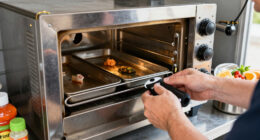

When selecting a commissary kitchen, prioritize food safety and legal compliance by checking sanitation protocols, permits, and health inspections. Assess if the space has modern equipment, adequate capacity, and proper storage to support your operations efficiently. Visit in person to observe cleanliness, staff handling, and organization. Also, consider strategic aspects like support services offered. Making a well-informed choice now helps avoid issues later and ensures your business runs smoothly—continue to explore how to choose the best kitchen for your needs.

Get kitchen staples and gadgets delivered free with Prime
- Fast, free delivery on millions of items
- Prime Video, Amazon Music and more included
- Member-only deals all year
Key Takeaways
- Verify the commissary’s food safety protocols, sanitation practices, and compliance with health department standards.
- Ensure the facility has necessary permits, licenses, and passed recent health and safety inspections.
- Assess equipment quality, capacity, storage options, and infrastructure for operational efficiency.
- Conduct an in-person inspection to evaluate cleanliness, organization, and staff adherence to safety procedures.
- Consider support services, strategic fit, and legal requirements to ensure smooth and compliant operations.

Choosing the right commissary kitchen is an essential step for any food business looking to operate efficiently and meet health standards. When evaluating potential spaces, your primary focus should be on guaranteeing food safety and legal compliance. Food safety isn’t just about avoiding health violations; it directly impacts your customers’ well-being and your reputation. A well-maintained commissary should have strict sanitation protocols, proper refrigeration, and designated areas for raw and cooked foods to prevent cross-contamination. Ask about their cleaning schedules, pest control measures, and whether they meet local health department requirements. These factors help confirm that the facility prioritizes food safety, reducing the risk of foodborne illnesses and regulatory issues.
Prioritize food safety and legal compliance when choosing a commissary kitchen to protect your business and customers.
Legal compliance is equally essential. Every jurisdiction has specific rules governing commercial kitchens, and failing to adhere can lead to fines, shutdowns, or worse. When selecting a commissary, verify that it possesses all necessary permits and licenses. These documents demonstrate that the facility has passed inspections and meets health and safety standards. Additionally, check if the kitchen adheres to zoning laws and fire safety regulations. Some commissaries might offer flexible leasing options or shared spaces, but it’s essential that they still comply with all legal requirements. This not only protects your business but also ensures you’re operating within the law, avoiding costly legal complications down the line.
Beyond safety and legal factors, consider the infrastructure of the commissary. Is the equipment modern and well-maintained? Does it have enough capacity to handle your production volume? Are there adequate storage options for ingredients and finished products? The right setup can streamline your operations, saving you time and money. Also, find out if the commissary offers support services like cleaning supplies, waste disposal, and security. These amenities can help you focus on your core business activities without worry about ancillary tasks. Proper infrastructure also includes adequate ventilation, which is crucial for maintaining a safe and comfortable working environment.
It’s also wise to visit the facility in person before signing any agreement. Walk through the space to observe cleanliness, organization, and how staff handle food safety procedures. Ask for references from other tenants to learn about their experiences. Remember, choosing a commissary isn’t just about affordability; it’s about partnering with a space that prioritizes your compliance with food safety laws and helps you deliver safe, high-quality food to your customers. Making an informed decision now will save you headaches later, ensuring your business runs smoothly and remains compliant with all necessary regulations.
commercial kitchen sanitation supplies
As an affiliate, we earn on qualifying purchases.
As an affiliate, we earn on qualifying purchases.
Frequently Asked Questions
How Do I Find a Commissary Kitchen Near Me?
To find a commissary kitchen near you, start by searching online directories or local business listings. Check out kitchens that offer the amenities you need, like refrigeration or baking stations. Once you find options, review their rental agreements carefully to understand costs, access hours, and rules. Contact the kitchens directly to tour the space and verify it fits your needs before making a commitment.
What Are the Costs Involved in Renting a Commissary Kitchen?
Renting a commissary kitchen can feel like a rollercoaster, but understanding the costs helps you stay in control. Expect a pricing structure that usually includes an hourly or monthly fee, and be aware of additional fees for storage, cleaning, or equipment use. These costs vary widely, so it’s smart to ask about all fees upfront to avoid surprises and budget effectively for your culinary ventures.
Are There Specific Licenses or Permits Required to Use a Commissary?
You need to meet specific licensing requirements and obtain the necessary permits to use a commissary kitchen. This involves submitting permit applications to your local health department or relevant authority, ensuring your kitchen complies with safety and sanitation standards. These licenses verify that your operations are legal and safe, so make sure to complete all paperwork accurately and promptly to avoid delays or issues when starting your food business in the commissary.
Can I Bring My Own Equipment to the Commissary Kitchen?
You can often bring your own equipment to a commissary kitchen, but it’s best to verify their equipment policies first. Many facilities welcome custom setups, allowing you to tailor your workspace to suit your needs. Just make certain your equipment meets safety standards and fits within the provided space. Confirm with the management to avoid any surprises and make your kitchen experience smooth and efficient.
What Safety and Cleanliness Standards Must Be Maintained?
You must maintain strict food safety and sanitation protocols in the commissary kitchen. This means keeping your workspace clean, washing your hands frequently, and sanitizing equipment after each use. You’re responsible for following all safety standards to prevent contamination and guarantee a safe environment. Regularly check for proper storage, temperature controls, and hygiene practices. Staying vigilant helps protect you, your customers, and the overall cleanliness of the kitchen.
food safety inspection checklist
As an affiliate, we earn on qualifying purchases.
As an affiliate, we earn on qualifying purchases.
Conclusion
So, you’ve found your perfect commissary kitchen—who knew that a little space could make such a big difference? Ironically, what seems like just a convenient spot might be your secret weapon to success. Remember, it’s not just about the facilities, but how you use them. Embrace the quirks, stay adaptable, and watch your business thrive—sometimes, the smallest kitchen holds the biggest opportunities. Who knew that a tiny space could hold your big dreams?
As an affiliate, we earn on qualifying purchases.
As an affiliate, we earn on qualifying purchases.
Halloween Picks
halloween
As an affiliate, we earn on qualifying purchases.