
To start a food truck business, begin by creating a menu that excites your target audience and allows flexibility for seasonal ingredients. Next, invest in regular vehicle maintenance and guarantee proper hygiene standards to build trust. Develop a solid business plan with branding and customer service in mind. Continuously adapt your offerings based on feedback and market trends. If you keep these steps in mind, you’ll find yourself well on your way to success.

Get kitchen staples and gadgets delivered free with Prime
- Fast, free delivery on millions of items
- Prime Video, Amazon Music and more included
- Member-only deals all year
Key Takeaways
- Develop a unique menu aligned with target audience preferences and seasonal ingredients.
- Secure necessary permits, licenses, and health regulations compliance for food truck operation.
- Choose and maintain a reliable, well-equipped vehicle with regular inspections and preventive maintenance.
- Plan your business, branding, and marketing strategies to attract and retain customers.
- Launch with a soft opening, gather feedback, and continuously adapt menu and operations for growth.

Starting a food truck business can be an exciting way to turn your culinary passion into a profitable venture. To make your food truck stand out, you need to prioritize menu customization. Think about what dishes you’re most passionate about and what will appeal to your target audience. Your menu should be flexible enough to adapt to customer preferences and seasonal ingredients. By offering unique options or customizable meals, you can attract a loyal customer base and encourage repeat visits. Keep your menu simple enough to prepare efficiently on the road, but diverse enough to cater to different tastes. Regularly update it based on customer feedback and trending food items to keep your offerings fresh and exciting. Remember, a well-curated menu can be the difference between a busy truck and one that struggles to attract customers.
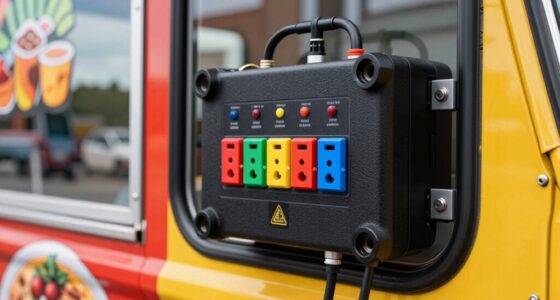
Beyond crafting an appealing menu, vehicle maintenance plays a vital role in your success. Your food truck is your mobile kitchen, so keeping it in top condition ensures smooth operations and safety. Regular inspections and preventive maintenance can help you avoid costly breakdowns and extend the lifespan of your vehicle. Check your engine, brakes, tires, and refrigeration systems frequently. Clean your truck thoroughly, both inside and out, to maintain hygiene standards and present a professional appearance. Proper vehicle maintenance also involves keeping your cooking equipment in working order and ensuring all electrical systems are safe and functional. Investing time and money in routine upkeep minimizes downtime and helps you meet health and safety regulations. A well-maintained truck not only runs more efficiently but also signals to customers that you care about quality and safety, which can boost your reputation. Additionally, maintaining a clean and well-kept vehicle aligns with the importance of hygiene standards and customer trust.
Starting your food truck journey requires careful planning and ongoing management. Your menu customization strategy should focus on offering dishes that excite you and satisfy your customers, while your commitment to vehicle maintenance ensures your business stays on the road without interruptions. Combining these aspects with strong branding and excellent customer service sets the foundation for a thriving food truck enterprise. Be prepared to adapt and learn as you go, using customer feedback and operational insights to refine your approach. Remember, consistency in quality and reliability will build trust and help your business grow. With a clear focus on menu innovation and diligent vehicle upkeep, you’ll be well on your way to turning your food truck into a popular and sustainable venture.
As an affiliate, we earn on qualifying purchases.
Frequently Asked Questions
What Are the Hidden Costs of Running a Food Truck?
Hidden costs in running a food truck include unexpected expenses like truck maintenance, which can add up quickly, and fluctuating costs for ingredients and supplies. You also need to carefully consider menu pricing to cover these expenses without overcharging customers. Additionally, costs for permits, insurance, and parking can surprise you. Being aware of these hidden costs helps you budget wisely and keep your business profitable.
How Do I Find Reliable Food Truck Suppliers?
To find reliable food truck suppliers, you should focus on building strong supplier relationships and prioritize quality assurance. Start by researching local and online vendors with good reputations, read reviews, and ask for references. Reach out directly to gauge their responsiveness, negotiate terms, and request sample products to evaluate quality. Maintaining open communication and fostering trust helps guarantee you receive consistent, high-quality supplies for your food truck business.
What Permits Are Most Difficult to Obtain?
You’ll find that food truck permits often pose the biggest licensing hurdles. Securing health department approvals, parking permits, and mobile vendor licenses can be time-consuming and complex. Local regulations vary, so you might face challenges *orienteering* zoning laws or building codes. To overcome this, research your city’s requirements early, stay organized with your paperwork, and consider consulting local authorities or a permit specialist to streamline the process and avoid delays.
How Can I Effectively Market My Food Truck?
You can’t afford to miss out on marketing your food truck effectively. Use social media to showcase your daily specials, behind-the-scenes moments, and customer stories—it’s your megaphone to the world. Partner with local brands and events to boost visibility and build credibility. Engage your audience regularly, respond promptly, and create memorable experiences. This approach will turn your food truck into a must-visit, crowd-pulling sensation in your community.
What Are Common Legal Challenges Faced by Food Truck Owners?
You often face legal challenges like securing proper food truck licensing and complying with health regulations. Make sure you understand local laws and obtain all necessary permits before hitting the road. Regularly stay updated on health standards and inspections to avoid fines or shutdowns. Staying proactive and organized helps you navigate legal hurdles smoothly, keeping your food truck business running without unexpected legal setbacks.
food truck vehicle maintenance tools
As an affiliate, we earn on qualifying purchases.
As an affiliate, we earn on qualifying purchases.
Conclusion
Now that you’re ready to hit the road, remember that your food truck is more than just a vehicle—it’s a rolling canvas for your culinary dreams. With every mile you drive and every meal you serve, you’re weaving a vibrant tapestry of flavors and community. Embrace the journey with passion and perseverance, and watch your food truck business blossom into a bustling, flavorful adventure that leaves a trail of happy customers in its wake.
As an affiliate, we earn on qualifying purchases.
As an affiliate, we earn on qualifying purchases.
NFL season / tailgating Picks
team gear
As an affiliate, we earn on qualifying purchases.