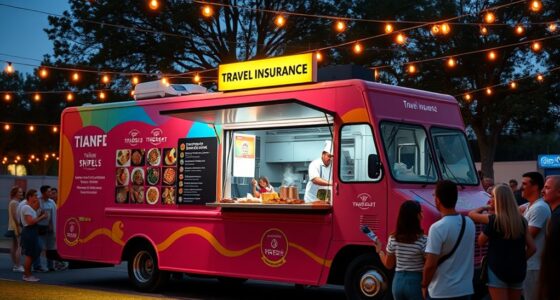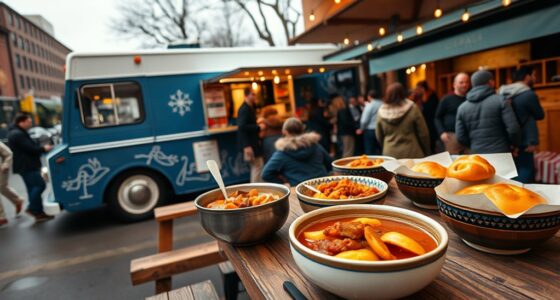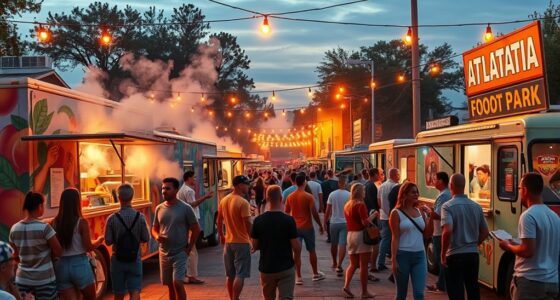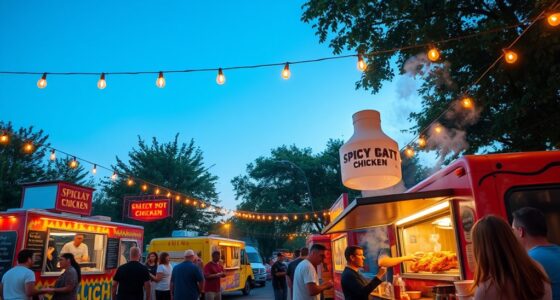

If you’re considering entering the food industry, pop-up food trucks offer a flexible way to connect with local events and diverse audiences. Securing the right permits and understanding your target market are vital steps to guarantee success. As you explore how to stand out in a competitive scene, you’ll find that strategic planning and quality service can turn a simple truck into a thriving mobile business—and there’s more to discover about making it work effectively.
Key Takeaways
- Obtain necessary permits to legally operate and participate in local events, ensuring compliance with health, safety, and zoning regulations.
- Develop portable, appealing menus tailored to diverse event audiences to attract and satisfy customers effectively.
- Build relationships with event organizers and local businesses to secure participation in festivals, markets, and private gatherings.
- Promote your food truck’s unique offerings and positive reputation through reviews and social media to increase event bookings.
- Strategically select and prepare for events that maximize brand exposure, customer engagement, and revenue opportunities.
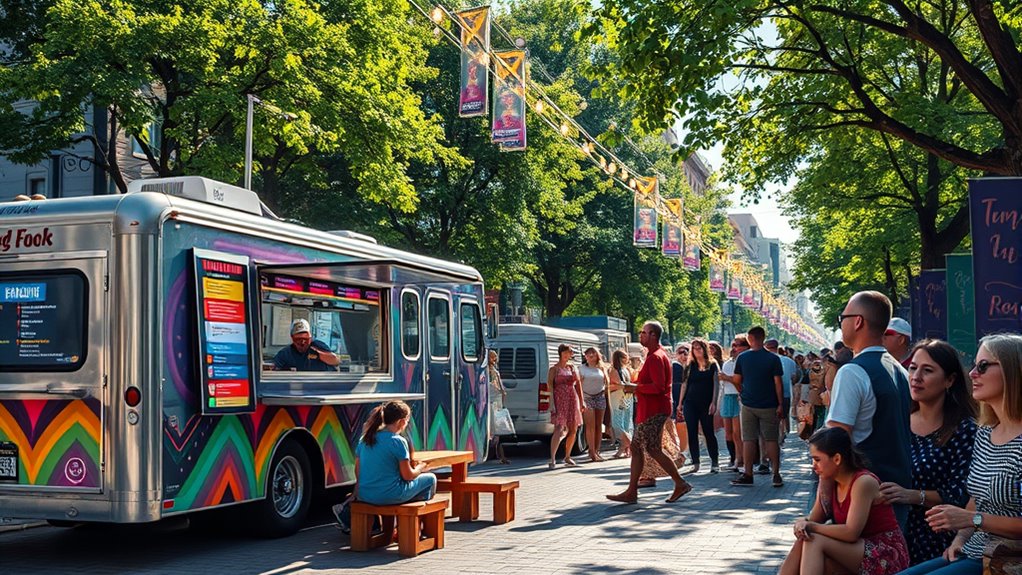
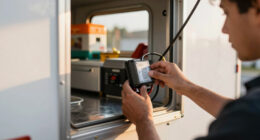
Pop-up food trucks have become a popular way to enjoy diverse, gourmet street food with convenience and flair. If you’re considering entering the world of mobile culinary service, one of your first steps is understanding the importance of obtaining the proper food truck permits. These permits are essential for legal operation, ensuring you meet health and safety standards, and avoiding costly fines or shutdowns. Depending on your location, you may need multiple permits, including health department approvals, business licenses, and parking or zoning permissions. Navigating the permitting process can seem intimidating, but it’s a necessary investment that legitimizes your business and reassures customers about the quality and safety of your offerings. Securing the right permits can also help you access specific event types that require official approval, broadening your catering opportunities.
Securing proper food truck permits is essential for legal, safe, and successful mobile food service.
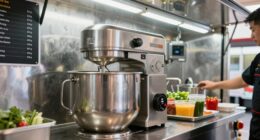
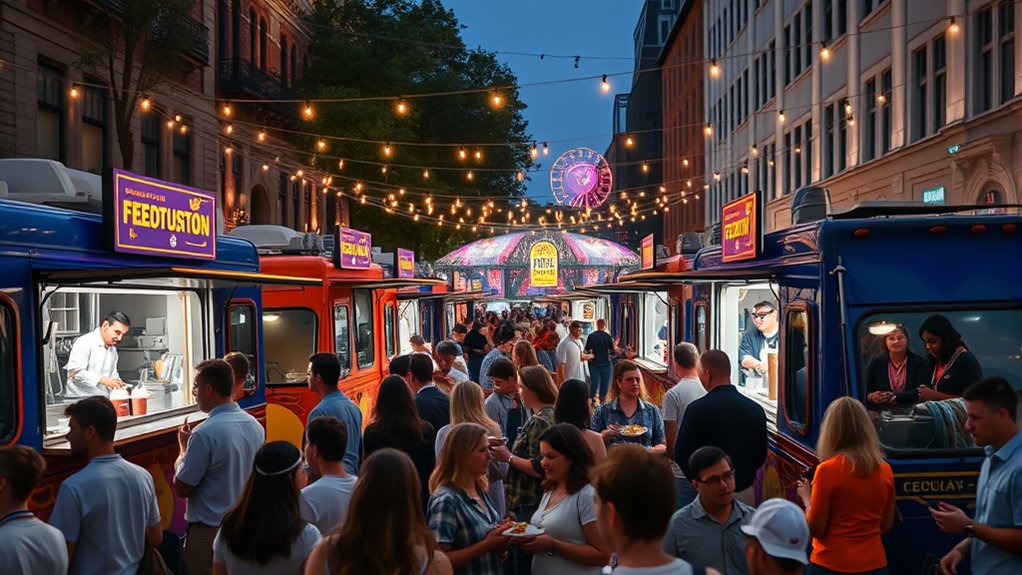
Once you’ve secured the necessary permits, you can start exploring the potential of event catering. Pop-up food trucks are incredibly versatile, making them ideal for a variety of gatherings—from festivals and farmers’ markets to corporate events and private parties. By offering customized menus tailored to the event’s theme or audience preferences, you create memorable experiences that leave guests talking long after the event ends. Your ability to quickly adapt and serve fresh, high-quality food on location is a significant advantage over traditional brick-and-mortar restaurants. Plus, event catering with a food truck allows you to reach a broader audience without the overhead costs associated with permanent storefronts.
Partnering with event organizers or local businesses can open doors to lucrative opportunities. You might find yourself catering an outdoor wedding, a neighborhood block party, or a music festival. Each event is an opportunity to showcase your culinary skills, build your brand, and generate revenue. To make the most of these opportunities, it’s important to plan ahead—coordinate logistics, confirm permits are in order, and prepare a portable menu that caters to a diverse crowd. Offering unique or specialty items can also set you apart in a crowded market and attract repeat customers.
Pricing your catering services competitively, while factoring in your costs and profit margins, ensures sustainability. As you gain experience, you’ll learn what types of events attract your target clientele and how to optimize your service delivery for maximum efficiency. Remember, your reputation hinges on delivering excellent food and service, so each event is an opportunity to earn positive reviews and word-of-mouth recommendations. With proper permits in place and a strategic approach to event catering, your pop-up food truck can become a sought-after fixture at local events, helping you grow a loyal customer base and a thriving mobile business.
Conclusion
By choosing the right events, securing necessary permits, and offering unique menus, you position your pop-up food truck for success. Embrace strategic planning, prioritize quality and service, and build strong community connections. These steps create loyalty, foster growth, and open doors to new opportunities. Ultimately, your dedication to excellence, adaptability, and vibrant presence turn local events into powerful platforms for your culinary venture’s thriving future.

Premier Portable Sink – Single Basin Handwashing Sink with Hot Water
- Single Basin Design: Premium ABS basin for handwashing
- Self-Contained Water System: Includes water lines and electric pump
- Hot & Cold Water: Thermostat-regulated electric heater
As an affiliate, we earn on qualifying purchases.

Portable Sink – Single Basin Portable Handwashing Station with Cold Water
- Single Basin Design: 22-gauge stainless steel basin
- Self-Contained Water System: Includes water lines and electric pump
- Portable and Easy to Use: No permanent connection needed
As an affiliate, we earn on qualifying purchases.