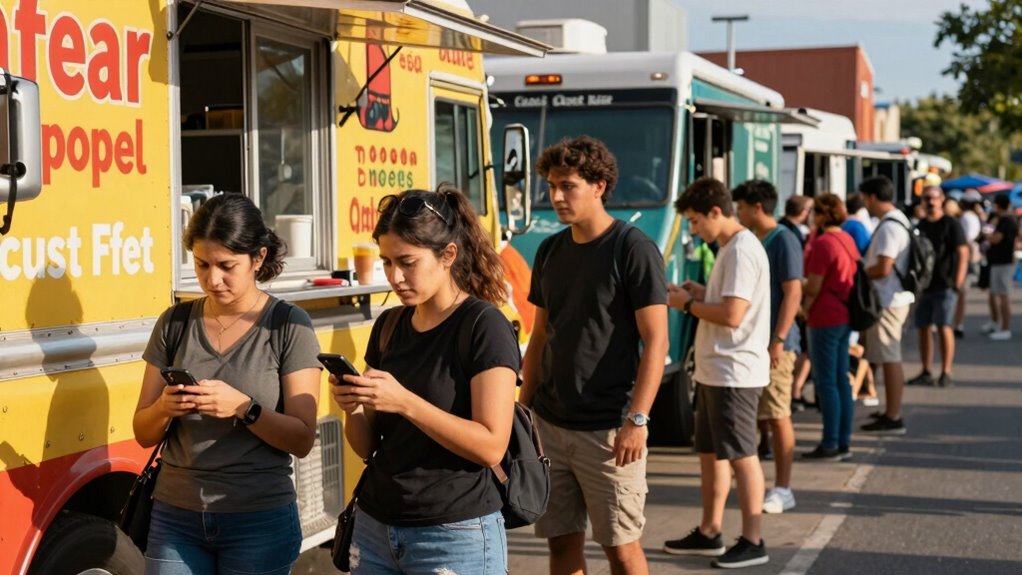

How you perceive wait times in a food truck line depends on psychological cues and how well it’s managed. Clear signs, estimated wait times, and engaging surroundings make the wait feel shorter and more acceptable. Friendly staff and social interactions among customers also boost patience. When the line appears organized and transparent, you’re more likely to be tolerant of the delay. Want to discover strategies to turn waiting into a positive experience? Keep exploring for more insights.

Get kitchen staples and gadgets delivered free with Prime
- Fast, free delivery on millions of items
- Prime Video, Amazon Music and more included
- Member-only deals all year
Key Takeaways
- Perceived wait time significantly impacts customer satisfaction, often more than actual wait duration.
- Clear communication of estimated wait times and efficient line management improve patience.
- Organized, neat lines and visual cues enhance perceptions of order and reduce frustration.
- Engaging distractions and social interactions make waiting feel shorter and more tolerable.
- Friendly staff and transparency turn waiting into a positive experience, boosting overall satisfaction.
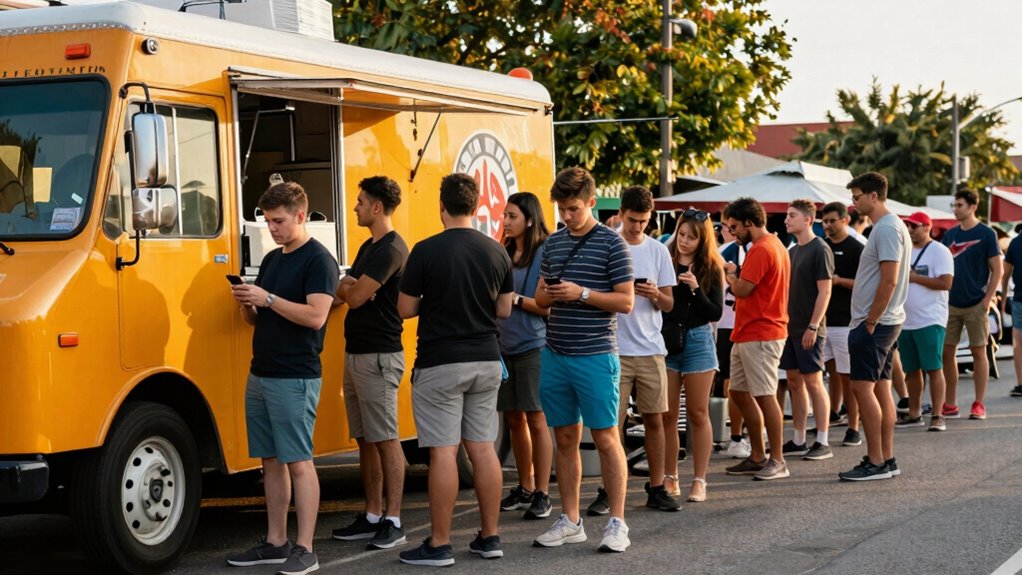
Waiting in line at a food truck might seem like a simple inconvenience, but your perception of the wait can greatly influence your overall experience. How you feel about the line isn’t just about the time ticking by; it’s shaped by psychological factors that affect your patience and your outlook. One of the key elements is customer patience, which can vary based on how the line is managed and how you interpret the wait. If the line moves smoothly and quickly, you’re more likely to stay patient because you see progress. Conversely, if the line appears stagnant or disorganized, your patience wears thin, and frustration sets in. This is where line efficiency comes into play—when the food truck staff can streamline the process, even a longer wait feels more acceptable.
A smooth, well-managed line boosts patience and transforms waiting into a more positive part of your experience.
The way a line is structured can influence your perception of wait-time. When a queue is neat and clearly defined, it suggests order and predictability. You feel more at ease because you understand how long you might wait and see others moving forward. On the other hand, a chaotic or poorly managed line can make the wait seem longer than it actually is, because your brain perceives inefficiency or disorganization. It’s not just about speed; it’s about how effectively the line is managed. When staff are quick and courteous, it boosts your confidence that your time is valued, increasing your patience. When they communicate clearly—perhaps with signs or staff updates—your perception of line efficiency improves, making the wait feel less burdensome. Additionally, understanding the importance of perceived efficiency can help manage expectations and improve overall satisfaction. Recognizing the role of psychological cues can also help you better understand your reactions and how to stay patient during the wait. Moreover, understanding how perception of control influences your patience can help both customers and staff create a more pleasant waiting experience.
Psychological strategies also come into play. For example, if you’re given an estimated wait time, you’re more likely to be patient because your expectations are set. When that estimate aligns with reality, your satisfaction increases. Conversely, if the wait feels longer than expected, frustration can mount. Providing small distractions—like music, engaging staff, or visual interest—can make the time seem to pass faster. Interestingly, visual cues such as signage or display screens can also positively influence your perception of the wait. The presence of positive social interactions among waiting customers can further enhance patience, as social norms and shared experiences foster a more tolerant attitude. The perception of the wait is also affected by social factors; if others around you are patient and friendly, you’re more inclined to remain calm, feeling part of a shared experience rather than an ordeal.
Ultimately, how you experience waiting in line at a food truck hinges on psychological cues that influence your patience and perceptions of efficiency. When the line is well-managed, transparent, and engaging, you’re more likely to stay positive and tolerant, turning what seems like a simple inconvenience into a minor part of a satisfying outing.
Products Worth Considering

KitchenAid 28 oz Cold Brew Coffee Maker, KCM4212

KitchenAid KF6 Fully Automatic Espresso Machine, Porcelain White

Traeger Pro 22 Wood Pellet Grill and Smoker, 572 sq. in.
As an affiliate, we earn on qualifying purchases.
Frequently Asked Questions
How Does Weather Impact Wait-Time Psychology at Food Trucks?
Weather profoundly impacts your perception of wait times at food trucks. When the climate perception is harsh—hot, rainy, or cold—you might feel more impatient, as waiting cues become amplified by discomfort. You tend to perceive wait times as longer in bad weather, even if the actual wait remains the same. Comfort influences your attitude, making you more sensitive to delays and altering your overall dining experience.
Can Music Influence Customer Patience in Food Truck Lines?
Music ambiance can considerably influence your patience in food truck lines. When the tunes match the desired customer mood—like upbeat music for a lively vibe or calming melodies for relaxation—it helps you feel more at ease. This positive atmosphere distracts you from waiting and can even make the wait seem shorter. So, a well-chosen playlist not only enhances the experience but also encourages you to stay patient and enjoy your time in line.
Do Different Cultural Backgrounds Affect Perceptions of Wait Times?
You might think cultural backgrounds don’t influence perceptions of wait times, but irony says otherwise. Cultural patience varies, and perception differences can make some cultures seem more tolerant or impatient. For instance, some groups view waiting as a sign of respect, while others see it as a hassle. Recognizing these differences helps you manage lines better, tailoring your approach to meet diverse expectations and improve the overall experience.
How Do Food Truck Designs Affect Waiting Customer Behavior?
Your food truck’s design influences waiting customers by using visual cues like clear signage or inviting decor, which can make the wait feel shorter. A well-structured layout and visible queue length help customers gauge wait times, reducing frustration. When you create an engaging environment and communicate wait expectations effectively, customers stay calmer and more patient, improving their overall experience and increasing the likelihood they’ll return.
What Role Do Social Media Updates Play in Managing Wait Expectations?
You can use social media updates to manage wait expectations effectively by providing real-time updates on your food truck’s status. This builds anticipation and keeps customers engaged, reducing frustration. When you share accurate wait times or progress, customers feel informed and in control, which boosts patience. Regular updates create a sense of transparency, encouraging customers to stay or return, ultimately enhancing their overall experience and satisfaction.
Conclusion
So, next time you’re stuck in a food truck line, remember that your perception of wait times isn’t just about how long it feels. Psychology shows that if you believe the wait is worth it, it’ll feel shorter and more tolerable. Trust me, the mind can bend time in your favor—so try to focus on the delicious food ahead, and the wait will seem a lot less intimidating. Your experience hinges on your mindset.