In Ogden, food trucks showcase mountain and pioneer-inspired flavors perfect for celebrating local history and outdoor adventures. You can enjoy hearty BBQ, southwestern tacos, gourmet burgers, and unique fusion dishes, all embodying the pioneer spirit. These trucks create lively festival atmospheres, attract crowds, and offer diverse culinary experiences. To make the most of your visit, it’s helpful to understand permits and logistics—stay with us to explore how to connect with local truck offerings and plan your adventure.
Key Takeaways
- Ogden food trucks offer regional mountain-inspired dishes like smoky BBQ, hearty burgers, and fusion cuisine reflecting local pioneer heritage.
- Food trucks can serve traditional pioneer fare such as homemade pies, regional desserts, and nostalgic comfort foods at festivals or events.
- Operating a food truck in Ogden requires permits, health inspections, and compliance with parking and zoning regulations.
- Popular mountain and pioneer-inspired offerings include smoked meats, southwestern street tacos, elote, and regional sweets like churros and shaved ice.
- Promoting these culinary themes through digital marketing and festival presence enhances visibility and attracts enthusiasts of local heritage cuisine.
The Vibrant Food Truck Scene in Ogden
Ogden’s food truck scene is lively and growing, offering residents and visitors a diverse array of culinary options. The city’s regulations set clear rules: trucks can operate between 7 a.m. and 10 p.m., with no overnight parking except at approved commissaries. Each truck is limited to one linear block per day and must park legally in parallel spots with serving windows facing the sidewalk. Canopies can’t extend more than two feet toward pedestrians. Operators are responsible for providing and removing trash containers and must attach permanent signage. Trucks are restricted from operating within 100 feet of sidewalk vending carts and near certain ground-floor restaurants or places of worship without permission. These rules help balance vibrant street food with community safety and order. Additionally, the regulations promote sustainable practices by encouraging proper waste management and responsible operation.
Top Cuisines and Signature Dishes for Pioneer Days
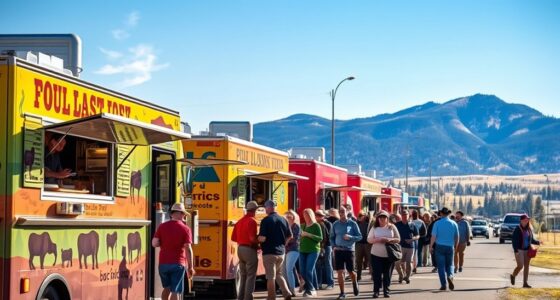
During Pioneer Days, the food truck scene in Ogden truly shines with a variety of cuisines that cater to festival-goers’ tastes and on-the-go needs. American Western BBQ dominates, with smoked brisket sandwiches, ribs, and pulled pork perfect for rodeo crowds. Mexican and Southwestern trucks serve street tacos, carne asada, and elote, offering quick, handheld options. Mobile comfort food trucks deliver gourmet burgers, loaded fries, and fried chicken sandwiches, catering to early event crowds. Fusion trucks showcase bison tacos, Utah-inspired glazes, and Asian–Latin mashups, adding regional flair. The diverse offerings reflect Ogden’s heritage and its influence on local culinary traditions. Sweet treats like shaved ice, churros, and regional pies satisfy heat and family demands. Signature dishes, such as smoked brisket sandwiches and carne asada tacos, are designed for portability, quick service, and festival fun.
How Food Trucks Boost Festival Atmospheres
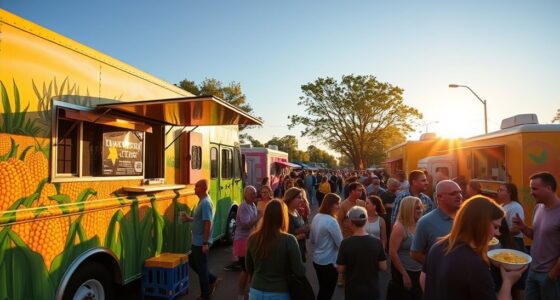
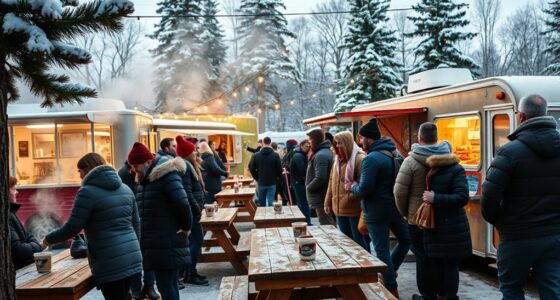
Food trucks considerably enhance festival atmospheres by attracting more attendees and encouraging them to stay longer. Their presence boosts event appeal, often increasing overall attendance by offering diverse, experiential food options. On-site, food trucks extend visitors’ dwell time, leading to more spending on merchandise, activities, and concessions. Strategic placement creates flow nodes that concentrate foot traffic, improving crowd management across festival zones. Clusters of trucks foster social-media-worthy moments, encouraging attendees to linger and share their experiences. They also introduce culinary diversity, showcasing niche, ethnic, and experimental cuisines that elevate the event’s uniqueness. Additionally, live cooking displays and made-to-order dishes add an engaging, theatrical element, enriching the atmosphere. Local trucks reinforce community identity, while affordable, casual dining options accommodate various dietary needs, making festivals more inclusive and memorable. Food trucks attract crowds and create vibrant atmospheres, which further enhances the overall festival experience. Incorporating a variety of culinary options attracts diverse audiences and elevates the event’s reputation.
Navigating Permits and Operational Tips for Vendors
To run a food truck in Ogden, you need to understand the required permits and licenses, including health, business, and sales tax permits. It’s also essential to follow local zoning rules and operational restrictions to stay compliant. By planning ahead for inspections and peak event logistics, you can keep your operations smooth and avoid unnecessary delays. Additionally, obtaining the appropriate planning and construction approval ensures that your truck meets all safety and health standards before opening. Being aware of health benefits of juices, such as proper sanitation during preparation, can also help you maintain compliance with health regulations.
Permitting Requirements Overview
Navigating the permitting process is essential for food truck vendors to operate legally in Ogden. You need several core licenses, including a Utah State Sales Tax Permit, obtained from the Utah State Tax Commission, and an Ogden business license, costing $50–$200. Additionally, a Weber-Morgan Health District mobile food permit is required after inspection. You must provide proof of liability insurance, vehicle registration, and food safety credentials, like a certified Food Safety Manager. Ensuring compliance with local health and safety standards is crucial for a smooth operation. Required Permits & Licenses | Key Details
| —————————— | ————– |
|---|---|
| Utah Sales Tax Permit | Collect/remit sales tax |
| Ogden Business License | Local operation license |
| Health Permit | Inspections & approval |
Start applications 4–8 weeks before opening to avoid delays and guarantee compliance with zoning, parking, and operational rules. [Permits must be renewed annually, and vendors should stay informed of any regulatory changes to avoid penalties or operational disruptions. Staying updated on regulatory changes can help prevent unexpected issues that might otherwise hinder your business.]
Peak Event Logistics
Successfully managing peak event logistics requires careful planning around permits, site selection, and operational execution. First, choose sites within commercial or mixed-use zones to comply with local restrictions and maximize visibility. Target high-footfall areas like festivals or farmers markets by consulting event listings and booking platforms. Ensure your vehicle fits within parking limits—no more than 40 feet combined length—and confirm legal parallel parking spots facing the sidewalk. Coordinate with organizers to schedule each truck once per block per day and stagger arrivals to prevent congestion. Plan for weather-related canopy adjustments and maintain contingency plans. Arrange for reliable waste disposal, potable water, and power sources that meet health and noise regulations. Lastly, verify that your serving window faces the sidewalk and that your setup doesn’t obstruct traffic flow or ADA access. Additionally, working closely with local authorities and food truck leagues can streamline permit acquisition and ensure compliance with all regulations.
Compliance and Inspection Tips
Understanding the permit and inspection requirements is essential for legal and smooth operation of your food truck in Ogden. First, obtain a Mobile Food Business Permit from the Weber-Morgan Health District by passing an inspection and submitting your menu and business plan. You’ll also need a vendor or street vendor license from Ogden City, with applications submitted within specified timeframes. A Utah Sales Tax Permit is necessary to collect and remit sales tax. Maintain proof of vehicle registration, insurance, and liability coverage (usually $1 million). Ascertain at least one staff member holds a Food Safety Manager certification, and all employees have food handler permits. Follow Utah food safety rules for temperature, storage, and sanitation, and keep detailed records for inspections and renewals. Additionally, familiarize yourself with local zoning and business regulations to ensure compliance with all operational requirements and avoid potential violations.
Maximizing Food Truck Experience During Mountain & Pioneer Events
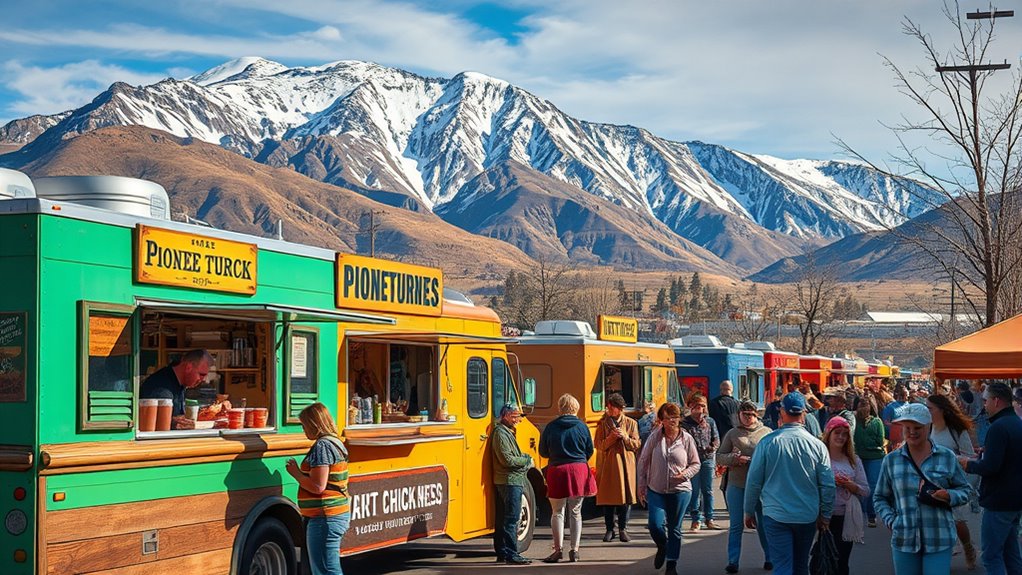
To make the most of food truck experiences during Mountain and Pioneer events, plan your arrival carefully around peak attendance times and weather conditions. Arrive 30–45 minutes before main performances or parades to avoid long lines and enjoy more vendor options. Keep an eye on weather forecasts—hot summer days or sudden mountain storms can cause demand spikes and longer waits—so stay flexible and use shaded spots if needed. Check event schedules for rotating vendors and specific truck lineups, especially at popular rallies. To ensure you get your favorite dishes, prioritize high-demand items early and consider group ordering strategies to save time. Also, choose an arrival time that balances parking availability with access to preferred food trucks, making your experience smoother and more enjoyable. Being aware of food truck popularity can help you plan your visit more effectively so you don’t miss out on your top choices.
Connecting With Local Food Truck Offerings and Booking Strategies
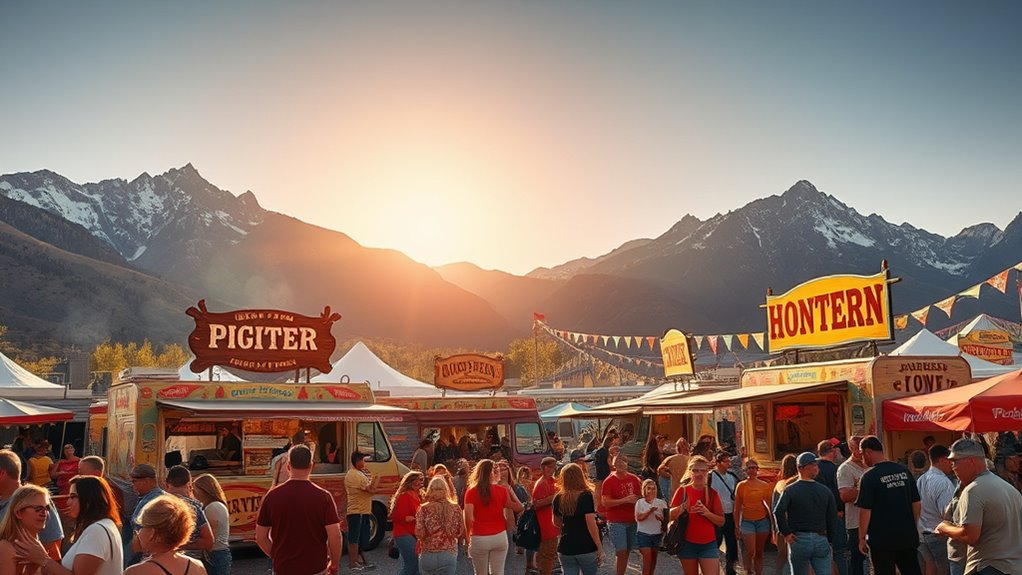
To connect with local food trucks and secure bookings, you need to understand the permitting process, build strong event partnerships, and use digital platforms effectively. Knowing the requirements and timelines helps guarantee smooth coordination and reliable vendor participation. Leveraging online listings and social media can boost visibility and attract the right trucks for your events. For instance, participating in community festivals like the Ogden Farmers Market can be an excellent opportunity to showcase your event and connect with vendors in a lively, outdoor setting. Event schedules and community engagement initiatives further facilitate vendor relationships and ensure a successful event. Additionally, understanding local regulations related to food trucks can help streamline the permitting and approval process, making it easier to host a variety of vendors.
Navigating Permitting Processes
Guiding the permitting process in Ogden involves securing multiple approvals to operate legally and smoothly connect with local food truck events. First, you’ll need an Ogden City Special Event permit if you plan to participate in city-organized activities, with application deadlines typically 30 to 45 days before the event. All food vendors must obtain a Weber-Morgan Health District Food Service permit, which includes inspections and food handler certifications. You’ll also need an Ogden City vendor or street vendor license for downtown or right-of-way operations. Additionally, securing a Utah State sales tax license is essential for collecting and remitting sales tax. Prepare documentation such as proof of insurance, vehicle registration, and site approval, ensuring compliance with city zoning, size, and safety regulations. These steps help you operate smoothly and avoid delays. Parking regulations for mobile food vehicles also require that mobile food trucks and trailers park parallel to the curb and adhere to size and operational restrictions, which is crucial for staying compliant during your events. Furthermore, understanding local permitting requirements ensures your operation aligns with city policies and minimizes potential legal issues.
Building Event Partnerships
How can you efficiently connect with local food trucks and secure bookings for your events? Start by compiling a detailed inventory of active trucks through local listings, vendor marketplaces, and social media. Map recurring events like farmers markets and festivals to identify trucks already engaged in similar settings. Use booking platforms such as Food Truck League to contact multiple vendors quickly. Emphasize your event’s audience and revenue potential to attract vendors. Offer clear financial terms and logistical support like reserved parking and setup assistance. Use standardized contracts with defined deadlines and deposit requirements to streamline negotiations. Maintain a waitlist for cancellations and prepare site layouts in advance. Assign a dedicated vendor liaison on event day to ensure smooth operations and timely setup, promoting successful partnerships. Additionally, be aware that application processes for participating in local markets often include a review and jury based on quality, sourcing, and vendor legacy, so maintaining high standards and community engagement can improve your chances of securing vendor partnerships. Moreover, understanding vendor requirements such as licensing and insurance can help you prepare necessary documentation ahead of time.
Leveraging Digital Promotions
Leveraging digital promotions is essential for connecting with local food trucks and streamlining booking processes. Optimizing your Google Business Profile boosts visibility, displaying menus, hours, and booking links directly in search results, making it easier for Ogden customers to discover trucks. Listing on national directories like Roaming Hunger exposes your truck to event planners and private bookings. Maintaining active social media accounts on Instagram, Facebook, and TikTok helps attract spontaneous purchases and event inquiries through engaging visual content. Using local SEO signals and managing reviews build trust and improve map rankings. Targeted geo‑ads, time-sensitive promos, and retargeting campaigns increase relevance and conversions. Embedding online booking forms, integrating scheduling tools, and offering digital payment options simplify inquiries and reservations, making the process seamless for both operators and customers. Digital promotion strategies are increasingly vital as they expand reach and drive direct engagement with potential customers.
Frequently Asked Questions
How Do I Find Real-Time Food Truck Locations During Pioneer Days?
To find real-time food truck locations during Pioneer Days, follow official event social media accounts, like Instagram, Twitter, and Facebook, for live updates and posts. Enable notifications from verified food trucks and check event-specific maps on official websites. Use crowd-sourced platforms like Yelp or check-in apps, and monitor hashtags such as #OgdenFoodTrucks. These tools help you track trucks’ current spots, ensuring you don’t miss out on your favorites.
What Are the Most Popular Food Truck Cuisines at Ogden Festivals?
Think of the food truck scene like a vintage record store—tastes evolve, but some classics stay popular. In Ogden festivals, you’ll find tacos leading the charge, offering quick, flavorful bites with veggie options. Burgers and sliders come close, satisfying comfort food cravings. BBQ trucks draw crowds with smoky, hearty dishes, while dessert trucks like donut kabobs and ice cream are perfect for sweet endings. These cuisines keep festival-goers coming back for more.
How Can I Reserve Food Trucks for Private Events in Ogden?
To reserve food trucks in Ogden, start by checking third-party booking platforms like Roaming Hunger for available trucks. Contact vendors early and request necessary documents such as health permits, licenses, and proof of insurance. Confirm details like service times, menu, and setup requirements. Submit any required event permits and pay deposits ahead of time. Aim to finalize your reservation at least 45 days before your event to guarantee availability and proper planning.
Are There Any Dietary Options Available at Ogden’s Food Trucks?
Think of Ogden’s food trucks as a garden of options, blooming with choices for every diet. Yes, you’ll find vegetarian, vegan, gluten-free, and allergen-friendly dishes like falafel, grain bowls, and sushi rolls. To guarantee your needs are met, check menus online or contact vendors directly. Many trucks are flexible and willing to customize. With a little planning, you can savor a meal that suits your dietary preferences perfectly.
What Safety Measures Are in Place for Food Trucks During Large Festivals?
During large festivals, food trucks keep safety top of mind by maintaining proper temperature controls, regularly checking food with thermometers, and discarding perishable items left out too long. They sanitize all surfaces and use separate utensils to prevent cross-contamination. Vendors display valid licenses, follow local health regulations, and position cooking equipment away from the public. Fire extinguishers and propane safety measures are in place, ensuring a safe environment for staff and attendees.
Conclusion
As you explore Ogden’s lively food truck scene during Mountain and Pioneer events, imagine the flavors swirling around you—aromatic spices, sizzling grills, and the buzz of the crowd. With so many options and hidden gems waiting to be discovered, you never know which signature dish will surprise your taste buds next. Keep your eyes open—you might just stumble upon a culinary adventure that transforms your festival experience into a memory you’ll never forget.