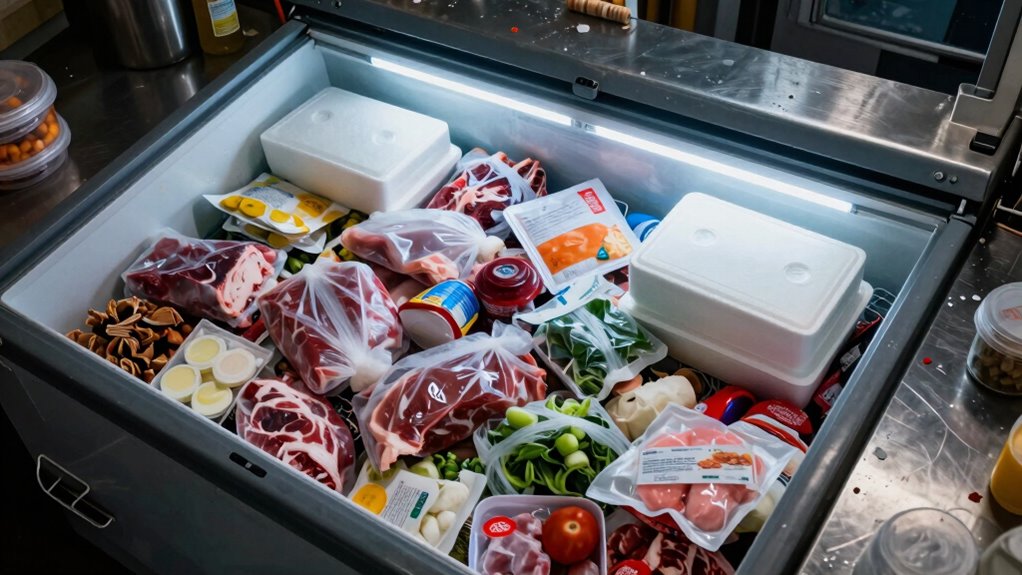
Overbuying freezer inventory can drain your cash flow, increase storage costs, and lead to spoilage and waste. It limits your space for fresh ingredients, affects food quality, and restricts menu variety. The hidden costs include energy consumption and potential equipment damage. If you keep overstocking, your profits suffer, and your operations become less flexible. Want smarter ways to manage your inventory and avoid these costly mistakes? Keep exploring to find out more.
Key Takeaways
- Overbuying ties up capital and reduces cash flow, limiting funds for other essential business investments.
- Excess inventory increases storage costs, energy consumption, and risk of spoilage, lowering overall profitability.
- Overstocked freezers cause space constraints, complicate organization, and degrade food quality and safety.
- Limited flexibility to adapt menus and respond to demand fluctuations leads to lost sales and customer dissatisfaction.
- Poor inventory management results in waste, spoilage, and inflated food costs, directly impacting profit margins.
Why Overstocking Freezer Inventory Costs You Money
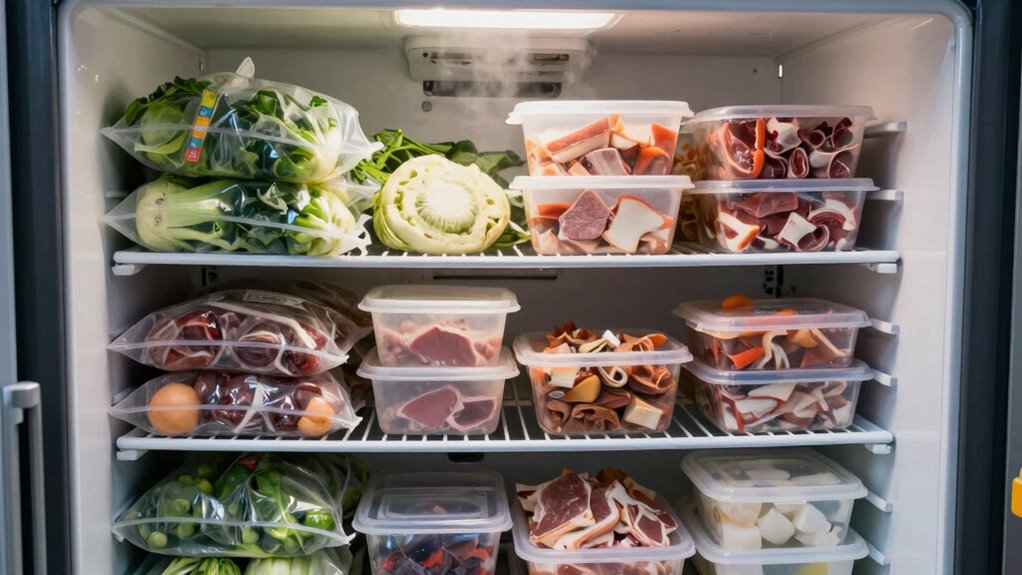
Overstocking your freezer inventory might seem like a good way to guarantee you always have enough food, but it often ends up costing you more in the long run. When your freezer is overcrowded, freezer maintenance becomes harder, increasing the risk of ice buildup and spoilage. This can lead to energy inefficiency and potential food waste. Additionally, without proper inventory rotation, older items may stay hidden and expire, forcing you to discard usable products. Overbuying also ties up cash that could be invested elsewhere. Keeping a well-organized freezer with a manageable stock allows you to monitor inventory levels easily, perform regular freezer maintenance, and prioritize fresh ingredients, reducing waste and saving money over time. Proper inventory management is essential for maintaining efficient food storage and ensuring optimal use of resources. Incorporating smart storage solutions can further enhance your ability to track inventory and prevent overstocking, leading to better overall cost control. Moreover, understanding the impact of heat and fumes on your freezer and food safety can help you implement safer and more reliable storage practices.
How Excess Freezer Stock Affects Your Cash Flow
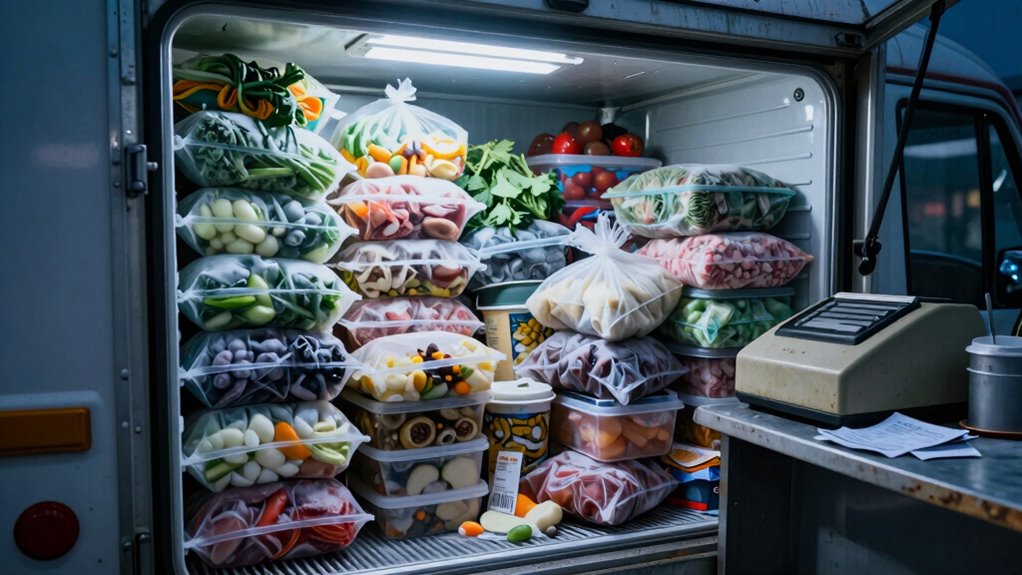
When you overstock your freezer, your capital gets tied up in inventory instead of being available for other needs. This also ramps up storage costs and limits your cash flexibility, making it harder to respond to new opportunities or emergencies. Additionally, excess stock may lead to wasted food if items spoil before use, further decreasing your profitability. Overstocking can also result in increased maintenance costs for your freezer equipment, which can add to your expenses over time. Proper inventory management is essential to avoid cash flow issues and maintain business agility. Recognizing inclusive casting practices and diverse product offerings can help in aligning inventory with broad customer preferences. Understanding home‑care techniques can also aid in better stock rotation and minimizing spoilage. Ultimately, excess stock can slow down your cash flow and hinder your business growth.
Ties Up Capital
Excess freezer inventory ties up your cash that could be better used elsewhere in your food truck business. When you stock too much, your inventory turnover slows down, meaning your capital remains tied up in unsold stock longer than necessary. This reduced turnover diminishes your overall capital efficiency, making it harder to invest in new ingredients, equipment, or marketing efforts. Instead of having cash flow freely to seize growth opportunities, you’re stuck managing surplus inventory. Overbuying limits your ability to respond quickly to demand fluctuations and can cause cash shortages. To keep your cash flowing smoothly, focus on maintaining ideal inventory levels—enough to meet customer needs without locking up capital in excess stock. Improving inventory turnover directly enhances your capital efficiency, giving you more flexibility to grow your food truck business. Considering AI + society/economics topics, implementing smarter inventory planning tools can help optimize stock levels and improve cash flow management.
Increases Storage Costs
Carrying more freezer inventory than necessary considerably raises your storage costs, impacting your cash flow. Frozen storage is a significant expense, especially when your inventory isn’t moving quickly. When you overstock, your freezer needs more space, increasing energy costs and maintenance fees. Plus, excess stock can lead to spoilage or waste if not sold promptly, tying up resources in unsellable items. Low inventory turnover means your freezer remains filled with unused stock, which drives up your costs without generating revenue. This inefficiency strains your cash flow, making it harder to invest in other areas of your food truck. To keep costs manageable, focus on maintaining just enough frozen storage to meet demand, ensuring a healthy inventory turnover and minimizing unnecessary expenses. Proper inventory management can help you avoid these pitfalls and optimize your storage costs. Additionally, understanding and applying tax planning strategies can help offset some of these costs through appropriate deductions and financial planning. Managing your stock levels effectively can also improve your overall cost efficiency, ensuring your business remains profitable. Incorporating economic principles such as comparative advantage can further refine your inventory decisions and reduce waste. Recognizing the importance of ethical decision-making in inventory management can also support sustainable business practices.
Reduces Cash Flexibility
Have you noticed how overstocking your freezer can tighten your cash flow? When you buy more inventory than needed, your cash reserves get tied up in stock rather than usable for daily operations or emergencies. This limits your flexibility to adapt to market changes or invest in new opportunities. Excess freezer stock also impacts your investment planning, making it harder to allocate funds wisely. Here is a simple preparation method for managing inventory efficiently and avoiding overbuying. Here’s how it affects you:
| Effect | Explanation | Consequence |
|---|---|---|
| Reduced cash reserves | Money is tied in inventory | Less for emergencies or growth |
| Increased holding costs | Extra storage costs and spoilage | Reduced profit margin |
| Limited liquidity | Less cash available for quick needs | Strains on operations |
| Impaired investment planning | Funds are committed prematurely | Missed growth opportunities |
| Cash flow constraints | Overall tighter cash flow | Slower business response |
Signs You’re Overbuying and How to Spot It
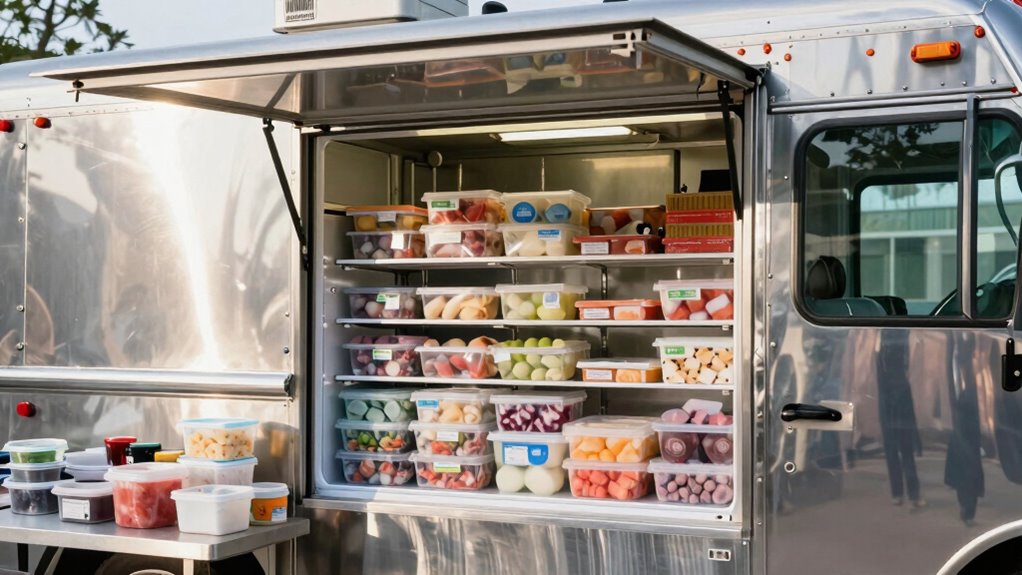
If you notice that your freezer is consistently overflowing with food, it’s a clear sign you might be overbuying. Excess stock can lead to freezer burn, which damages quality, and complicates freezer maintenance. Regularly check for items pushed to the back, hidden, or expired. If you find yourself frequently throwing out spoiled ingredients, you’re likely overstocked. Proper inventory rotation becomes difficult with too much stock, risking waste and unnecessary costs. Overbuying also makes it harder to keep the freezer organized, increasing the chance of food spoilage. Additionally, understanding shipwreck preservation techniques can offer insights into how to properly store and protect perishable items over time. Incorporating sustainable textile care practices, like using eco-friendly storage containers, can further enhance preservation efforts. Keeping a close eye on your inventory, practicing consistent freezer maintenance, and rotating stock efficiently can help prevent overbuying and reduce waste. Implementing a storage management system can further optimize your space and prevent unnecessary overstocking. Regularly monitoring food safety standards can help you identify potential issues before spoilage occurs. Incorporating sound management practices can also help you monitor and maintain ideal storage conditions, ensuring freshness and longevity.
The Hidden Costs of Storage and Limited Space
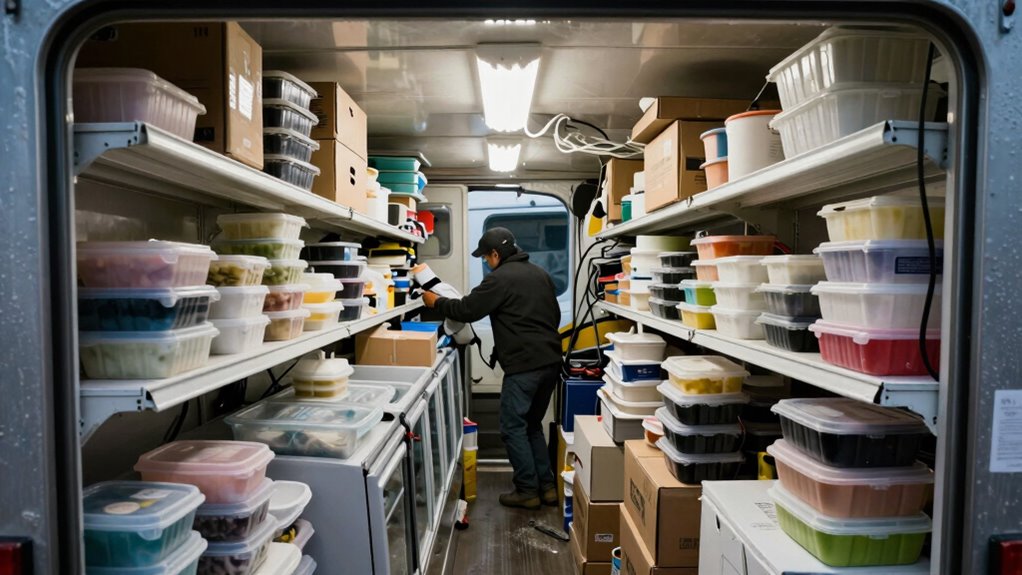
Limited freezer space forces you to make difficult decisions about what to store and when to rotate inventory, but the hidden costs go beyond just space constraints. Freezer clutter can quickly accumulate, making it harder to find what you need and increasing the risk of spoilage. Storage limitations mean you can’t efficiently organize or prioritize fresh ingredients, leading to waste. Overstuffed freezers also strain your equipment, potentially causing breakdowns and costly repairs. The more you cram in, the less air circulation there is, which affects freezing efficiency and energy consumption. These hidden costs add up, impacting your profit margins and operational flow. Managing storage actively and avoiding overbuying helps you reduce freezer clutter and make the most of limited space. Proper drying after water damage is essential to prevent mold and further deterioration of your stored items, and implementing effective organization strategies can help maximize your available freezer space.
How Overstocking Limits Your Menu and Freshness
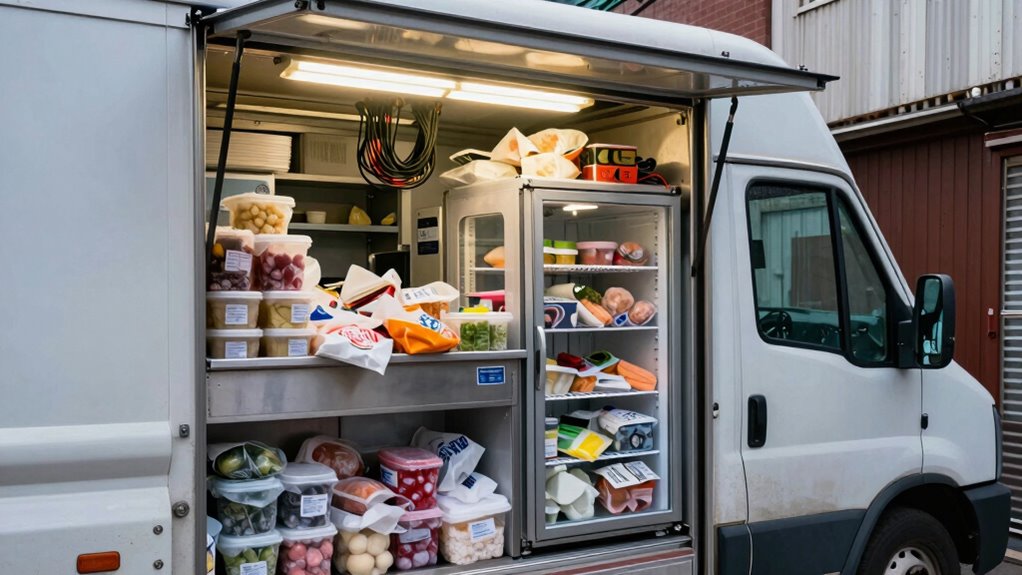
When you overstock your freezer, your menu options become limited because you can’t keep a diverse range of fresh ingredients on hand. This restricts your creativity in developing new dishes and adapting to customer preferences. Plus, holding too much can lead to a decline in food quality, as ingredients sit longer and lose their freshness.
Limited Ingredient Variety
Overstocking your freezer might seem like a smart move to guarantee you always have enough supplies, but it can actually restrict your menu options and compromise freshness. When you fill your frozen storage with too many ingredients, you limit the space available for fresh, seasonal items that could diversify your menu. This overstocking can lead to a reliance on a narrow range of ingredients, reducing your ingredient variety. As a result, your dishes become less creative, and you may find it harder to adapt to customer preferences or special requests. Plus, limited frozen storage forces you to prioritize certain ingredients over others, which can hinder your ability to introduce new flavors and menu items. Ultimately, overstocking constrains your flexibility and the quality of your offerings.
Reduced Dish Creativity
Having too much frozen inventory can stifle your creativity in the kitchen. When your freezer is overstocked, you’re limited to using the ingredients you already have, which can hinder menu innovation. Instead of experimenting with new flavors or dishes, you might stick to familiar items, reducing your creative freedom. Overbuying forces you into a corner, making it difficult to adapt or introduce fresh ideas that could set your food truck apart. Constantly working with a crowded freezer restricts your ability to craft unique, innovative menus that attract customers seeking something different. To foster true creativity, keep your inventory lean, allowing flexibility and spontaneity in your menu. This way, you can surprise your customers with new dishes and keep your offerings exciting.
Diminished Food Quality
Carrying excessive frozen inventory can directly impact the quality of your ingredients, leading to compromised freshness and flavor. When food sits too long in the freezer, it’s prone to food spoilage and freezer burn, both of which degrade taste and texture. Food spoilage occurs when moisture and nutrients break down, making ingredients less appetizing and potentially unsafe. Freezer burn causes dehydration and oxidation, creating dry, discolored patches that ruin the appearance and texture of your items. As a result, you may feel limited in your menu options because certain ingredients no longer meet quality standards. Over time, this diminishes the overall freshness of your offerings, discourages customers, and damages your reputation for serving high-quality food.
Simple Steps to Avoid Overbuying and Waste
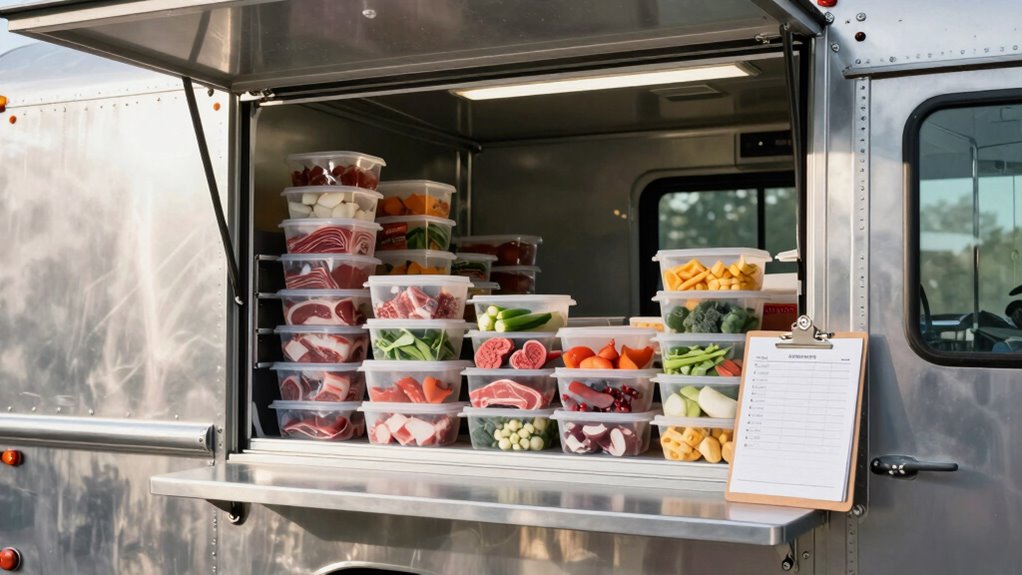
To prevent overbuying and minimize waste, start by planning your inventory carefully based on your menu and sales patterns. Focus on optimizing inventory turnover so you’re not holding excess stock that could spoil or become outdated. Regularly analyze sales data to identify which items sell quickly and which don’t, adjusting your orders accordingly. Practice storage optimization by organizing your freezer efficiently, making it easier to see what you have and avoid unnecessary duplicates. Keep track of expiration dates and prioritize using older ingredients first. By aligning your purchasing with actual demand, you reduce the risk of overstocking. These simple steps help you maintain fresh inventory, cut waste, and improve overall profitability for your food truck.
Best Tools and Techniques for Inventory Tracking
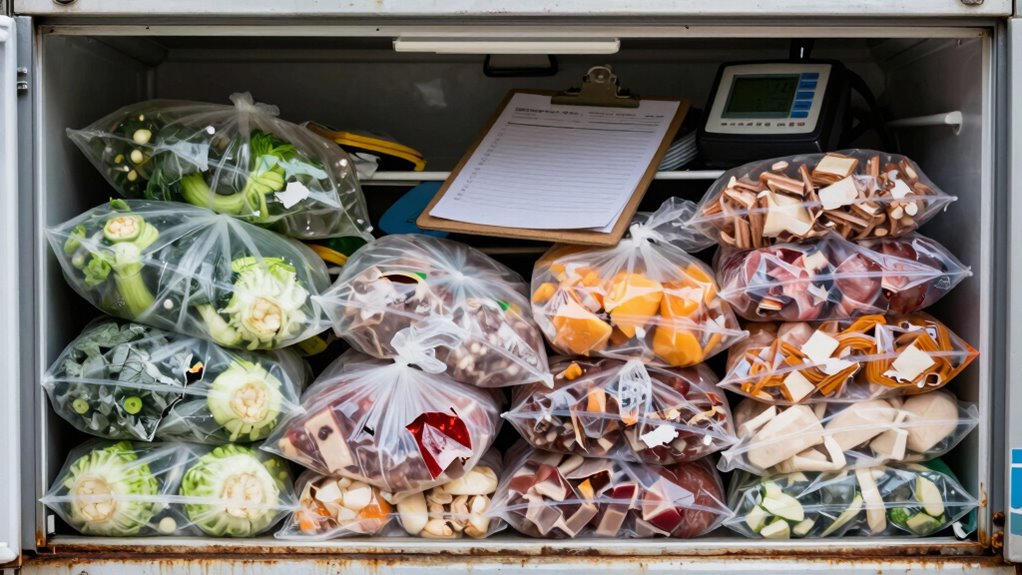
Effective inventory tracking starts with choosing the right tools that match your food truck’s needs. Digital inventory management software can streamline tracking frozen storage, helping you monitor stock levels in real-time and reduce errors. Barcoding systems and scanners improve inventory accuracy by eliminating manual entry mistakes and enabling quick updates after each sale or restock. Regularly updating your records ensures you catch discrepancies early, preventing overbuying and spoilage. Cloud-based tools allow you to access data from anywhere, making it easier to coordinate orders and keep inventory levels ideal. Combining these tools with disciplined techniques—such as routine inventory counts and portion control—ensures your frozen storage stays efficient, reduces waste, and saves money in the long run.
Building a Smarter, Sustainable Freezer Inventory System
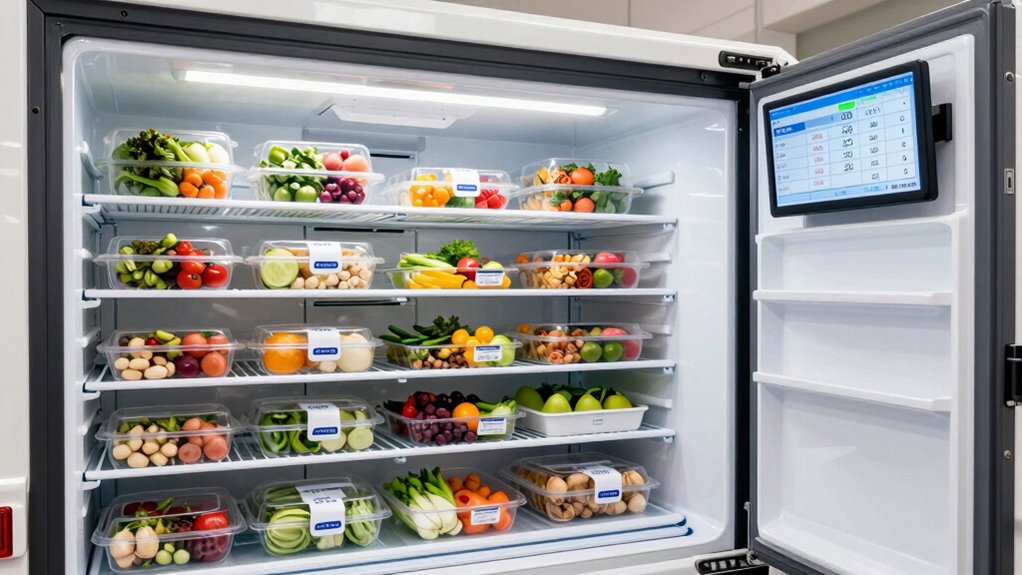
Building a smarter, sustainable freezer inventory system involves implementing practices that minimize waste and optimize storage efficiency. You should prioritize effective inventory rotation, making certain older stock is used first to prevent spoilage. Regularly reviewing your inventory levels helps avoid overstocking, which ties up valuable space and money. Strengthen supplier negotiations to secure flexible ordering terms, allowing you to adapt to demand fluctuations without overcommitting. Establish reliable communication channels with suppliers to receive fresh stock promptly and reduce unnecessary storage. Use data from your inventory tracking tools to identify patterns and adjust orders accordingly. This approach ensures you keep only what you need, reduce waste, and maintain a more sustainable, cost-effective freezer system that supports your food truck’s operations.
Long-Term Strategies for Managing Food Truck Inventory
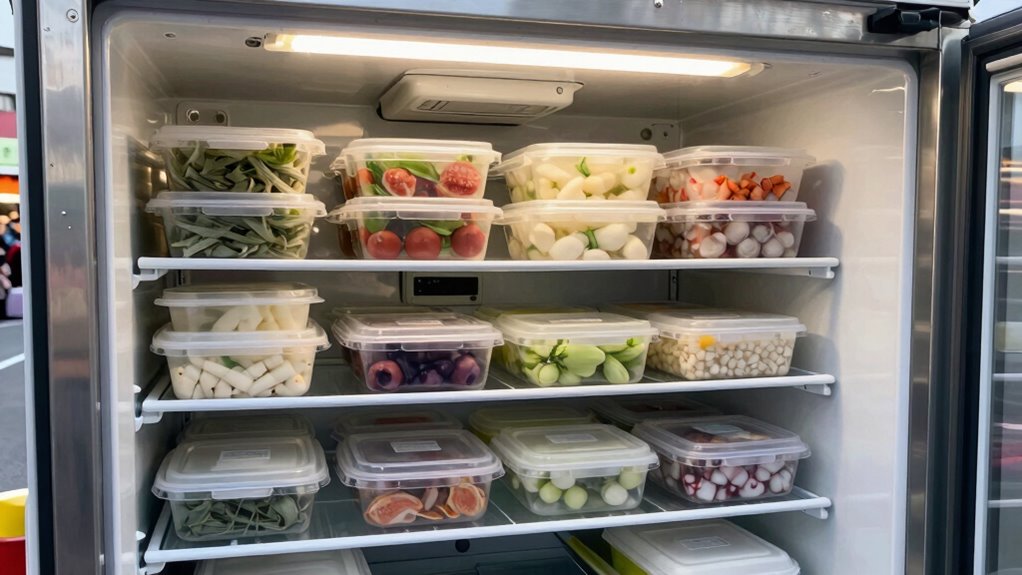
Once you’ve established a sustainable freezer inventory system, focusing on long-term strategies becomes key to maintaining efficiency and profitability. Regularly analyze sales data to identify patterns and adjust inventory levels accordingly. Engage with your customers to understand their preferences and incorporate their feedback into your menu planning, boosting customer engagement. Seasonal planning is essential; anticipate fluctuations in demand and stock up or reduce inventory accordingly. Establish strong supplier relationships to guarantee reliable deliveries and better flexibility for inventory adjustments. Implement inventory rotation practices to minimize spoilage and waste. Continuously monitor your inventory turnover rates and adapt your strategies as your business evolves. These proactive steps help you avoid overbuying, reduce costs, and make certain you’re always prepared to meet customer needs effectively.
Frequently Asked Questions
How Does Overbuying Impact Food Quality and Freshness?
Overbuying freezer inventory can negatively impact food quality and freshness. When you store more food than needed, it increases the risk of food spoilage and quality degradation over time. Frozen items may suffer from freezer burn or texture changes, reducing their appeal. As a result, your dishes might not meet customer expectations, leading to waste and loss of reputation. Keeping inventory at ideal levels helps maintain fresh, high-quality ingredients.
What Are the Environmental Effects of Excess Freezer Inventory?
Overbuying freezer inventory harms the environment by increasing energy consumption, which strains your supply chain and contributes to greenhouse gas emissions. When excess frozen goods spoil or become obsolete, waste management issues arise, leading to more landfill waste and pollution. You’ll also face higher costs for storage and disposal. To minimize these effects, monitor inventory carefully, optimize your purchasing, and implement sustainable waste management practices.
Can Overstocking Lead to Health and Safety Compliance Issues?
Overstocking can lead to health and safety compliance issues because excess inventory increases the risk of storage contamination and inventory shrinkage. When you have too much frozen food, it’s harder to monitor expiration dates and maintain proper storage conditions. This can result in spoiled products, contamination, or unsafe food handling, putting your customers at risk and risking regulatory violations. Managing your inventory carefully helps guarantee safety and compliance.
How Does Freezer Overstocking Influence Staffing and Operational Efficiency?
Ever wondered how freezer overstocking impacts your staff? It can cause staffing challenges because employees spend extra time managing excess inventory, reducing efficiency. Overstocking also hampers inventory turnover, making it harder to keep fresh supplies flowing. As a result, your team may face increased workload and stress, decreasing overall productivity. To keep operations smooth, you need to balance inventory levels carefully, ensuring your staff can focus on delivering quality service.
What Are the Best Practices for Forecasting Demand Accurately?
To forecast demand accurately, you should analyze historical sales data to identify patterns and adjust for demand variability. Keep a close eye on inventory turnover rates to prevent overstocking or stockouts. Use real-time sales tracking and customer feedback to refine your predictions. Incorporate seasonal trends and local events into your planning, ensuring you adapt quickly to changing demand and optimize your freezer inventory efficiently.
Conclusion
By mastering your freezer inventory, you’ll keep your food truck running smoothly, like a well-oiled engine. Imagine your freezer as a clear, organized pantry, each item easily accessible and fresh. When you prevent overstocking, you save money, reduce waste, and ensure your menu stays vibrant. Take control today—streamline your inventory, free up space, and serve up your best dishes without the burden of excess stock weighing you down.