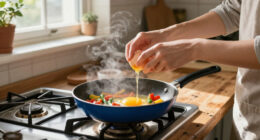
To keep food safe, you need to control temperatures carefully. Store leftovers and raw ingredients at 40°F (4°C) or lower, and keep frozen foods at 0°F (-18°C). Cook meats to the right internal temperatures, like 165°F for poultry, and keep hot foods above 140°F. Use reliable thermometers to check these temperatures regularly. Maintaining proper temperature control reduces bacteria growth and prevents foodborne illnesses—learn more about how to do it effectively.

Get kitchen staples and gadgets delivered free with Prime
- Fast, free delivery on millions of items
- Prime Video, Amazon Music and more included
- Member-only deals all year
Key Takeaways
- Maintain refrigerator temperatures at 40°F (4°C) or below and freezers at 0°F (-18°C).
- Keep hot foods above 140°F (60°C) and cold foods at or below 40°F (4°C) to prevent bacteria growth.
- Use food thermometers to verify internal temperatures of cooked foods; cook poultry to 165°F (74°C).
- Store leftovers in airtight containers promptly and avoid leaving perishable foods at room temperature.
- Regularly check and calibrate appliance thermometers to ensure accurate temperature control.
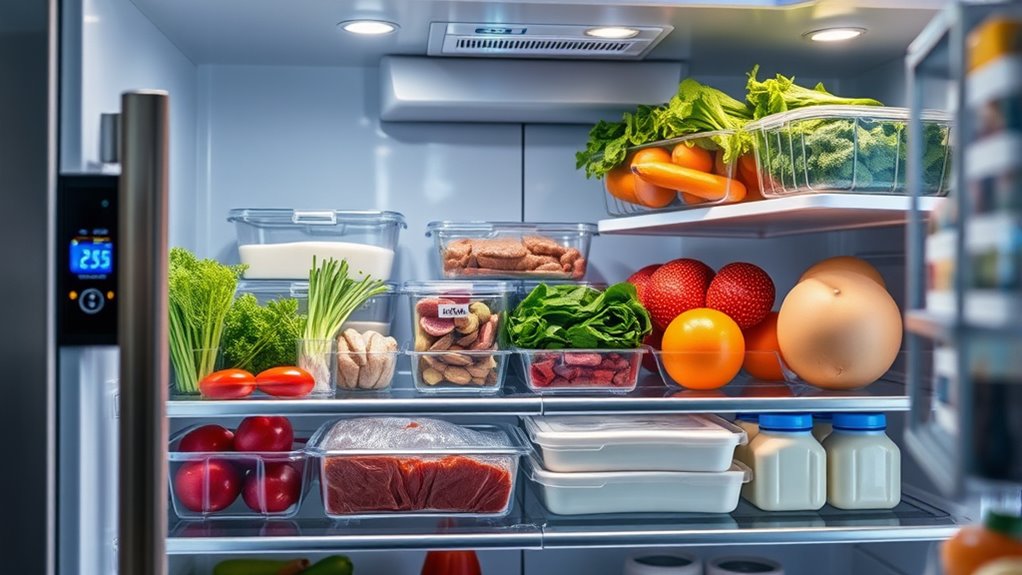
Maintaining the correct temperature is essential for keeping food safe to eat. When food sits in the temperature danger zones—between 40°F (4°C) and 140°F (60°C)—bacteria can rapidly grow, increasing the risk of foodborne illnesses. To prevent this, you need to follow proper refrigeration best practices and be vigilant about controlling temperatures. Keeping perishable foods out of the danger zone is your best defense against contamination.
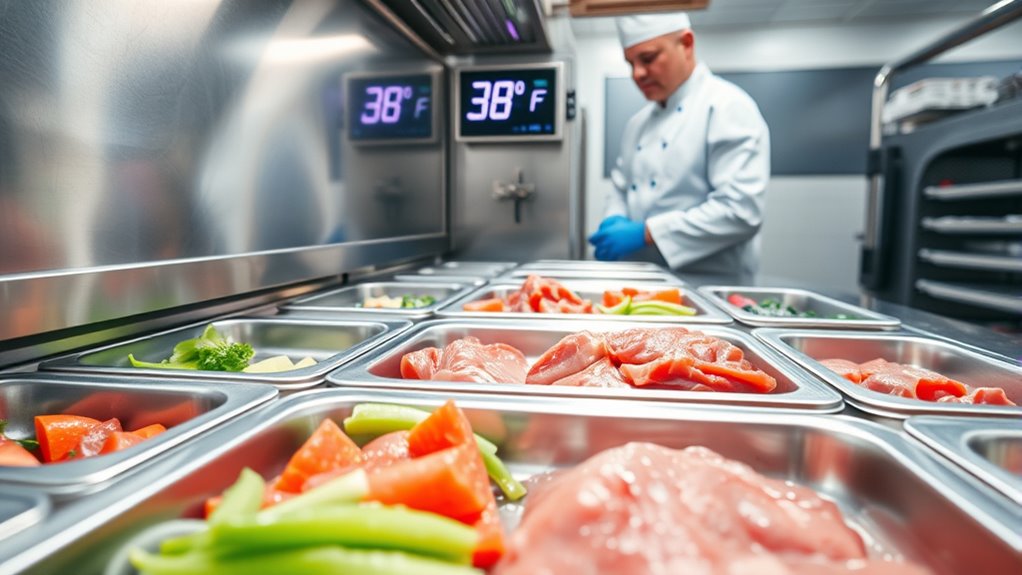
One of the most effective ways to ensure food safety is to refrigerate perishable items promptly. Always store leftovers and raw ingredients in airtight containers and set your refrigerator to 40°F (4°C) or lower. Use a thermometer to verify the temperature regularly because many refrigerators can malfunction or have uneven cooling. When storing foods, avoid overcrowding the fridge, which can obstruct airflow and lead to temperature fluctuations. Proper organization allows cold air to circulate freely, maintaining consistent temperatures throughout. For frozen foods, ensure your freezer stays at 0°F (-18°C) or below. When you defrost items, do so safely—preferably in the refrigerator, under cold running water, or in the microwave—never at room temperature, which invites bacteria growth.
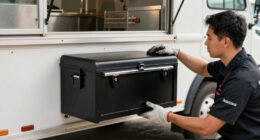
Refrigeration best practices extend beyond just the fridge and freezer. For example, keeping hot foods hot is equally important. When serving or storing cooked foods, maintain them at 140°F (60°C) or higher to prevent bacteria from multiplying. Use insulated containers or warming trays if needed. If you’re transporting food, make sure cool items stay at or below safe refrigeration temperatures, and hot foods stay above 140°F until served. This minimizes the time food spends in the danger zone.
Furthermore, always pay attention to expiration dates and discard any perishable food that has been left out too long. Remember, even a small breach in temperature control can compromise food safety. Regularly check your appliance thermometers and calibrate them if necessary. When in doubt, use a food thermometer to verify that cooked foods reach the recommended internal temperatures—generally 165°F (74°C) for poultry and 145°F (63°C) for seafood and beef, with a rest time afterwards. Incorporating proper temperature control measures such as using reliable thermometers and monitoring devices can significantly improve food safety and prevent illnesses.
digital food thermometer for cooking
As an affiliate, we earn on qualifying purchases.
As an affiliate, we earn on qualifying purchases.
Frequently Asked Questions
How Often Should Refrigerator Temperatures Be Checked?
You should check your refrigerator temperatures at least once a day. Use a thermometer to verify the temperature stays between 35°F and 38°F. Regularly calibrate your thermometer to keep readings accurate. Record your temperature readings in a log to track consistency and identify any issues early. Frequent checks help prevent food spoilage and ensure safety, giving you peace of mind that your refrigeration system is working effectively.
What Are Common Signs of Improper Food Temperature?
You’ll notice food temperature anomalies like unusual textures, off smells, or discoloration, which signal improper temperature. Temperature abuse detection involves observing if food is too warm or cold, indicating it’s been mishandled. For example, leftovers that feel slimy or have a sour odor are signs of temperature abuse. Regularly checking food’s appearance and smell helps you catch these signs early, ensuring safety and preventing foodborne illnesses.
Can Temperature Control Prevent Foodborne Illnesses?
Yes, temperature control can prevent foodborne illnesses. By following accurate temperature calibration techniques, you guarantee your food stays within safe zones. Avoid food poisoning myths that suggest temperature isn’t critical; proper control is essential. Regularly checking and adjusting your thermometers helps maintain correct temperatures, reducing bacteria growth. This proactive approach safeguards your customers’ health and keeps your food safe from contamination and illness.
What Equipment Helps Maintain Consistent Food Temperatures?
Think of your kitchen as a fortress, where equipment guards the food’s safety. You need reliable thermometers, regularly calibrated, to act as sentinels, ensuring accurate readings. Insulation materials like foam or reflective barriers serve as shields, maintaining consistent temperatures inside refrigerators and ovens. These tools work together, like loyal guardians, to keep your food at safe temperatures, preventing spoilage and ensuring every bite is safe to enjoy.
Are There Specific Guidelines for Temperature Control During Transportation?
Yes, you should follow specific guidelines for temperature control during transportation. Use reliable temperature sensors to monitor food temperatures continuously, ensuring they stay within safe ranges. Adhere to transport regulations that specify required temperatures and proper documentation. Regularly check sensors and records during transit to prevent spoilage or contamination. Proper temperature control during transportation protects food safety and complies with legal standards, keeping your products fresh and safe for consumers.
refrigerator thermometer with calibration
As an affiliate, we earn on qualifying purchases.
As an affiliate, we earn on qualifying purchases.
Conclusion
Remember, controlling temperatures isn’t just a rule—it’s your shield against foodborne illnesses. Think of it as the silent guardian protecting every bite you serve. By keeping hot foods hot and cold foods cold, you’re not only ensuring safety but also showing care for those you serve. Don’t let neglect be the villain in your kitchen story; instead, be the hero who masters temperature control and keeps everyone safe. Your vigilance makes all the difference.
airtight food storage containers
As an affiliate, we earn on qualifying purchases.
As an affiliate, we earn on qualifying purchases.
insulated food delivery containers
As an affiliate, we earn on qualifying purchases.
As an affiliate, we earn on qualifying purchases.
NFL season / tailgating Picks
team gear
As an affiliate, we earn on qualifying purchases.