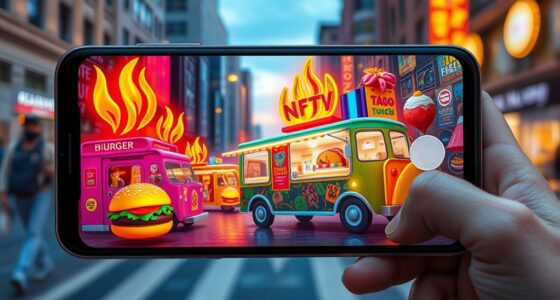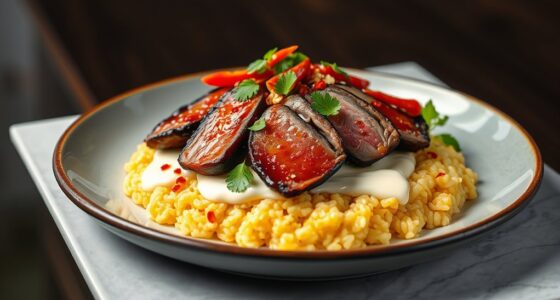
Pop-up collaborations between restaurants and food trucks offer a creative way to generate buzz and attract new customers. By combining the unique menus of both, you can create limited-time experiences that excite and engage your community. These partnerships also promote sustainability through local sourcing and seasonal ingredients, supporting local producers. If you want to discover how these dynamic ventures can boost your brand and foster community connections, there’s more to explore below.
Key Takeaways
- Pop-up collaborations create buzz by offering limited-time, innovative menus that attract adventurous diners and encourage repeat visits.
- Partnering restaurants and food trucks promote local sourcing and sustainable practices, appealing to eco-conscious customers.
- These collaborations allow for flexible testing of new concepts and seasonal menus without permanent overhead costs.
- They foster community engagement by showcasing local ingredients and supporting regional producers.
- Pop-up partnerships enhance brand visibility and build customer loyalty through memorable, responsible dining experiences.
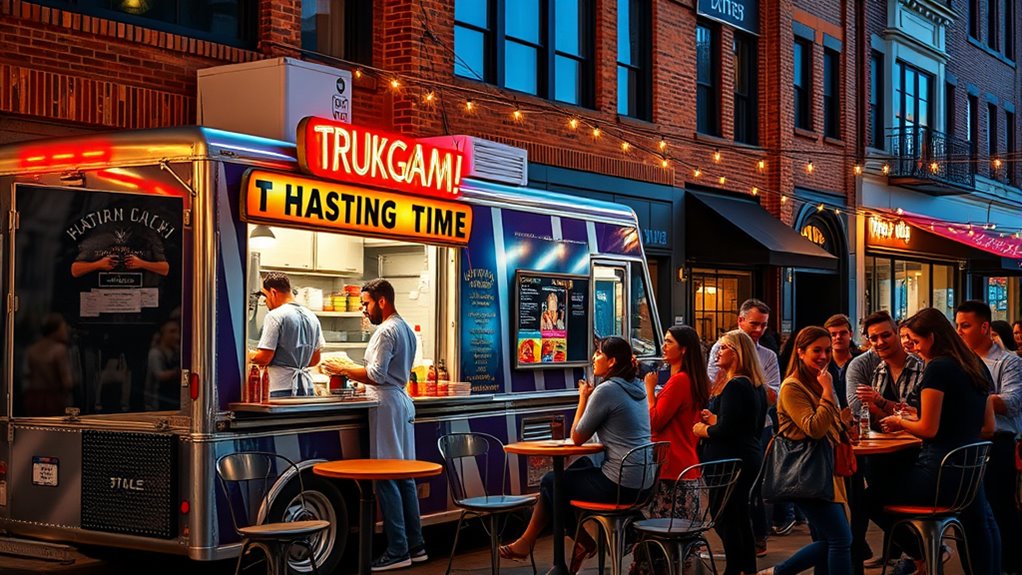
Have you ever wondered how brands create buzz quickly and engage customers in a memorable way? When it comes to pop-up collaborations between restaurants and food trucks, the secret lies in their ability to generate excitement through innovative, short-term experiences. These collaborations often focus on delivering fresh, unique menus that appeal to adventurous diners and food lovers alike. One of the key strategies they use is emphasizing sustainable sourcing, which resonates with today’s conscious consumers. By highlighting locally sourced ingredients and environmentally friendly practices, these pop-ups position themselves as responsible and forward-thinking, making customers feel good about their choices.
Partnering with food trucks allows restaurants to test new concepts without the overhead of a permanent location. It’s a flexible approach that enables chefs to experiment with seasonal menus, showcasing ingredients at their peak. For instance, a restaurant might collaborate with a food truck to serve dishes featuring seasonal produce like summer berries or autumn squash, creating a sense of urgency and exclusivity. Customers appreciate the opportunity to taste innovative dishes that celebrate the current harvest, making each visit feel special and timely. This focus on seasonal menus also helps reduce waste, as ingredients are used when they’re freshest and most abundant, aligning with sustainable sourcing principles.
Partnering with food trucks enables restaurants to test seasonal menus and reduce waste through fresh, limited-time offerings.
These pop-up collaborations thrive on the element of surprise. You might find yourself discovering a new favorite dish at a street corner or a hidden alley, driven by a chef’s creativity and a desire to connect directly with the community. The limited-time nature of these events encourages repeat visits, as people don’t want to miss out on the latest culinary adventure. Plus, by working together, restaurants and food trucks can pool their resources, share customer bases, and create a buzz that’s hard to replicate through traditional marketing. The community benefits too, as these collaborations often highlight local producers, seasonal ingredients, and eco-friendly practices, fostering a sense of shared purpose. Incorporating regular assessments can help these collaborations continuously improve their impact and success.
In essence, pop-up collaborations between restaurants and food trucks are about more than just quick eats—they’re about creating a memorable, sustainable experience that emphasizes quality, seasonality, and community engagement. By leveraging the flexibility of food trucks and the culinary expertise of restaurants, these partnerships deliver fresh, innovative, and responsible food offerings that keep customers coming back for more. It’s a dynamic way to build brand awareness, test new concepts, and celebrate the flavors of the season—all while making a positive impact on the environment and local economy.
Frequently Asked Questions
How Do Restaurants Choose Food Trucks for Collaborations?
You should look for food trucks that align with your restaurant’s cuisine and brand image. Focus on trucks with strong partnership strategies and a good reputation. Consider their customer base and how they can enhance your branding opportunities. Reach out, discuss your goals, and guarantee their style complements your restaurant. Choosing the right food truck helps create a successful collaboration that attracts more customers and boosts your visibility.
What Permits Are Required for Pop-Up Collaborations?
You’ll need to clear a few hurdles before teaming up. First, get the necessary permits from your local health department and make sure both your restaurant and food truck pass health inspections. You’ll also need liability insurance to cover any mishaps. Think of it as crossing t’s and dotting i’s—these steps protect your business and make sure everything runs smoothly. Without them, you’re sailing close to the wind.
How Do Collaborations Impact Long-Term Restaurant Branding?
Collaborations can positively impact your long-term restaurant branding by boosting brand consistency and enhancing customer perception. When you partner with food trucks thoughtfully, you create memorable experiences that reinforce your brand identity. Customers see your business as innovative and adaptable, strengthening loyalty. However, guarantee the collaboration aligns with your core values to maintain clear messaging. This strategic approach helps build a strong, recognizable brand reputation over time.
What Are the Costs Involved for Each Party?
You should consider the costs involved for each party through a thorough cost analysis and clear profit sharing agreements. Both restaurants and food trucks face expenses like permits, supplies, and staffing. You’ll also encounter potential overhead for marketing and operational costs. By comparing these expenses, you can establish a fair profit sharing plan, ensuring both parties benefit while covering their costs and maximizing the success of your collaboration.
How Are Menu Items Typically Decided During Collaborations?
During collaborations, you usually decide menu items through a culinary collaboration that emphasizes menu innovation. Both parties share ideas and experiment to create unique dishes that blend their styles. You might suggest signature items or new concepts, then test and refine them together. This process encourages creativity and guarantees the menu appeals to both audiences, making the experience exciting for customers and mutually beneficial for the restaurant and food truck.
Conclusion
These pop-up collaborations turn ordinary dining into unforgettable adventures, transforming city streets into vibrant culinary wonderlands. When you experience these dynamic partnerships, you’re witnessing food innovation at its finest—like a fireworks display of flavors exploding in your mouth. So, next time you see a restaurant teaming up with a food truck, jump in! You’re about to become part of a food revolution that’s reshaping how we eat, sip, and savor on every corner.