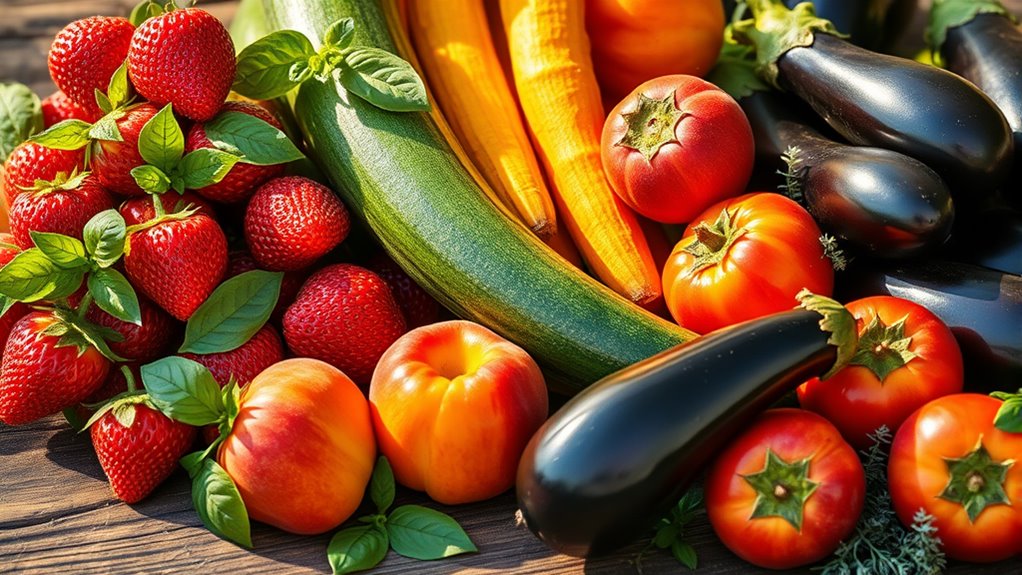

Incorporating seasonal produce into your offerings boosts flavor, nutrition, and sustainability. By choosing ingredients at their peak, you support local farmers and reduce environmental impact. Planning menus around what’s fresh and available helps you create vibrant, cost-effective dishes that appeal to customers. Engaging with farmers markets and developing an instinct for seasonal shifts allows you to harness the full potential of fresh ingredients. Keep exploring to discover practical tips for making the most of seasonal bounty.
Key Takeaways
- Visit local farmers markets regularly to identify and select ripe, seasonal ingredients at their peak freshness.
- Plan menus around in-season produce to maximize flavor, nutrition, and cost savings.
- Engage directly with growers for insights on seasonal availability and optimal harvest times.
- Incorporate seasonal ingredients into dishes like salads, soups, and stews to highlight their natural flavors.
- Adapt recipes to reflect seasonal shifts, creating creative and appealing offerings aligned with harvest cycles.
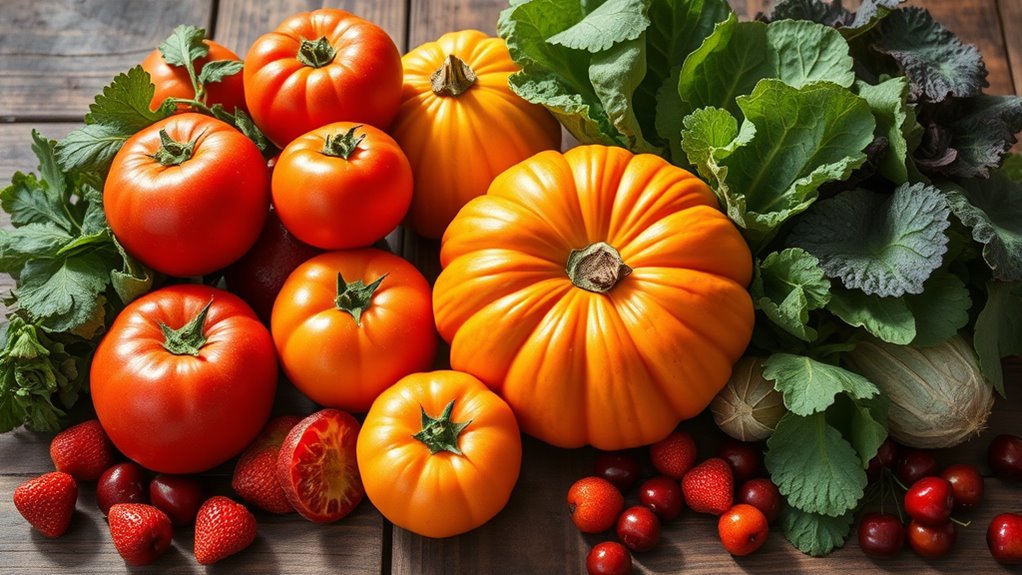
Have you ever wondered why incorporating seasonal produce into your meals makes such a difference? When you focus on what’s in season, you not only enhance the flavor and freshness of your dishes but also support local farmers and reduce your environmental impact. To make the most of seasonal produce, you should explore farmers market strategies that help you identify the best ingredients at their peak. Visiting farmers markets regularly allows you to discover what’s ripe and in season, giving you firsthand access to high-quality, fresh produce. Engaging directly with growers also provides insights into how the produce is grown, which can inspire creative culinary uses. Over time, you’ll develop an instinct for seasonal shifts and learn to plan your meals around the freshest ingredients available. Incorporating seasonal produce also requires understanding how color accuracy impacts the visual appeal of your dishes, making them even more enticing.
Incorporating seasonal produce also sparks your creativity with seasonal recipe ideas. Instead of sticking to the same old meals, think about how ingredients like fresh tomatoes in summer or hearty squash in fall can transform your dishes. For example, during peak tomato season, you might whip up a vibrant caprese salad or a homemade marinara sauce that bursts with flavor. When pumpkins and root vegetables are abundant, hearty soups, stews, and roasted veggie bowls become perfect comfort foods. These ideas not only celebrate the tastes of the season but also often require fewer ingredients, making your cooking simpler and more sustainable. Seasonal ingredients lend themselves to versatile dishes, so don’t hesitate to experiment and adapt recipes to what’s available.
Using seasonal produce also means you can take advantage of its nutritional benefits. Fruits and vegetables tend to be at their most nutritious when harvested at their peak, so incorporating them into your meals ensures you’re getting the most vitamins and minerals. Plus, seasonal produce often costs less because it’s more abundant, meaning you can enjoy a variety of healthy foods without breaking the bank. With a little planning, you can craft a menu that highlights the best of each season, making your offerings more appealing and fresh. Whether you’re running a restaurant, catering a gathering, or simply cooking for your family, embracing seasonal ingredients keeps your dishes lively and interesting.
Ultimately, by applying farmers market strategies and exploring seasonal recipe ideas, you make your meals more flavorful, nutritious, and sustainable. It’s about connecting with the rhythm of nature and letting it guide your culinary choices. When you pay attention to what’s in season, you open the door to endless creative possibilities that delight the senses and support local communities. This approach transforms ordinary ingredients into extraordinary dishes, all while honoring the natural cycle of harvest and growth.
Frequently Asked Questions
How Can I Source Seasonal Produce Locally and Sustainably?
You can source seasonal produce locally and sustainably by visiting farmers’ markets and joining community-supported agriculture programs. These options connect you directly with local farmers, ensuring fresh, seasonal ingredients while supporting your community. By building relationships with farmers, you get better access to sustainable produce, reduce your carbon footprint, and enjoy the freshest ingredients. Regularly checking farmers’ markets and subscribing to CSA shares keeps your offerings vibrant and eco-friendly year-round.
What Are Creative Ways to Incorporate Seasonal Produce Into Menus?
Savor seasonal splendor by showcasing salads with vibrant, vine-ripened veggies and adding playful textures through crunchy nuts or tangy dressings. You can also craft creative dessert innovations, like fruit-filled tarts or chilled sorbets, highlighting fresh, local produce. Mix and match seasonal ingredients to surprise palates, transforming simple ingredients into stunning, satisfying dishes. This approach not only excites customers but also celebrates the bounty of the season in every bite.
How Do Seasonal Changes Affect Produce Availability and Pricing?
Seasonal changes directly impact produce availability and pricing due to market fluctuations and crop cycles. When a crop is in peak season, you’ll notice lower prices and abundant supply, making it easier to source fresh ingredients. Conversely, off-season periods may lead to higher costs and limited options. Stay flexible with your menu, plan ahead, and source locally to adapt to these fluctuations and maintain quality and affordability.
What Are the Best Storage Tips for Seasonal Fruits and Vegetables?
To keep seasonal fruits and vegetables fresh, store them in proper storage containers that suit each type. Keep fruits like apples and berries in breathable containers to prevent ripening too quickly, while vegetables like carrots and greens should be stored in airtight containers in the fridge. Regularly check for ripening or spoilage, and plan to use produce before it overripens. Proper storage helps maintain freshness and flavor longer.
How Can Seasonal Produce Appeal to Health-Conscious Customers?
Sure, because nothing says health like munching on bland, processed snacks, right? But if you want to impress your health-conscious customers, highlight the nutritional benefits of seasonal produce. Emphasize fresh vitamins, antioxidants, and flavor, aligning with their preferences for wholesome choices. Showcase vibrant, locally sourced fruits and veggies to make your offerings irresistible, proving that eating healthy can be delicious and trendy—who knew?
Conclusion
By embracing seasonal produce, you not only delight your customers with fresh flavors but also support local farmers and reduce your environmental impact. Incorporate these ingredients into your dishes and watch your menu flourish like a well-tended garden in full bloom. Don’t be afraid to get creative—think of it as your culinary renaissance. So, hop on the bandwagon and make seasonal eating your secret weapon—your patrons will thank you, and you’ll feel like a true kitchen wizard.