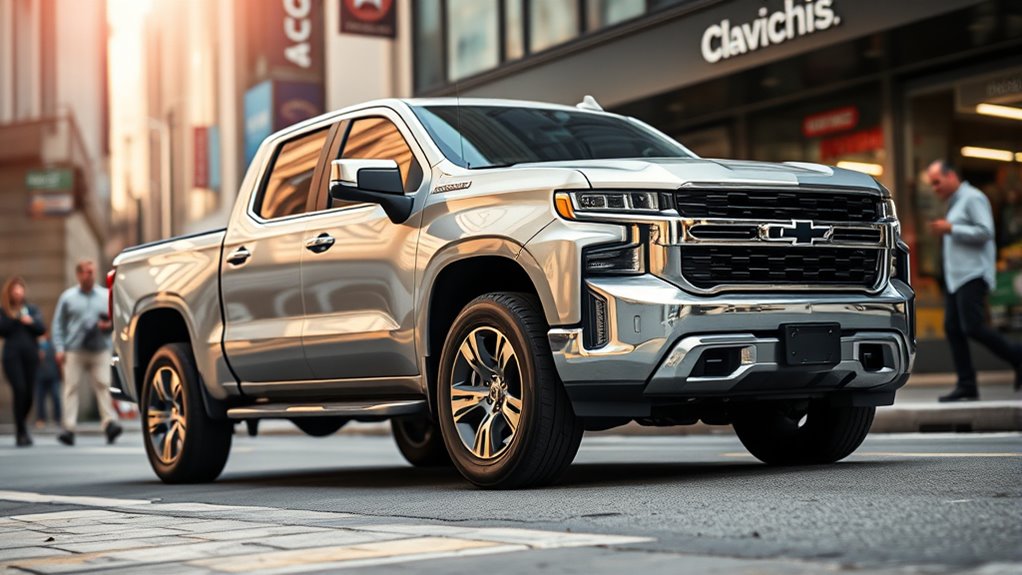

Deciding whether to purchase or lease your truck depends on your financial goals and operational needs. Buying offers long-term savings and full ownership, ideal if you plan to keep the truck for many years, but it requires a larger upfront investment and maintenance costs. Leasing provides lower monthly payments, tax advantages, and flexibility, making it suitable for short-term use and conserving cash flow. To make the best decision, consider your long-term plans and resources; more details are ahead.
Key Takeaways
- Consider purchasing if you plan to keep the truck long-term and want to build equity.
- Lease if you prefer lower monthly payments and maximum flexibility with vehicle upgrades.
- Evaluate your maintenance capacity; owning means covering all repair costs, leasing may include maintenance.
- Tax benefits favor leasing for immediate expense deductions or purchasing for depreciation advantages.
- Align your choice with your business goals—ownership for cost predictability, leasing for cash flow and flexibility.
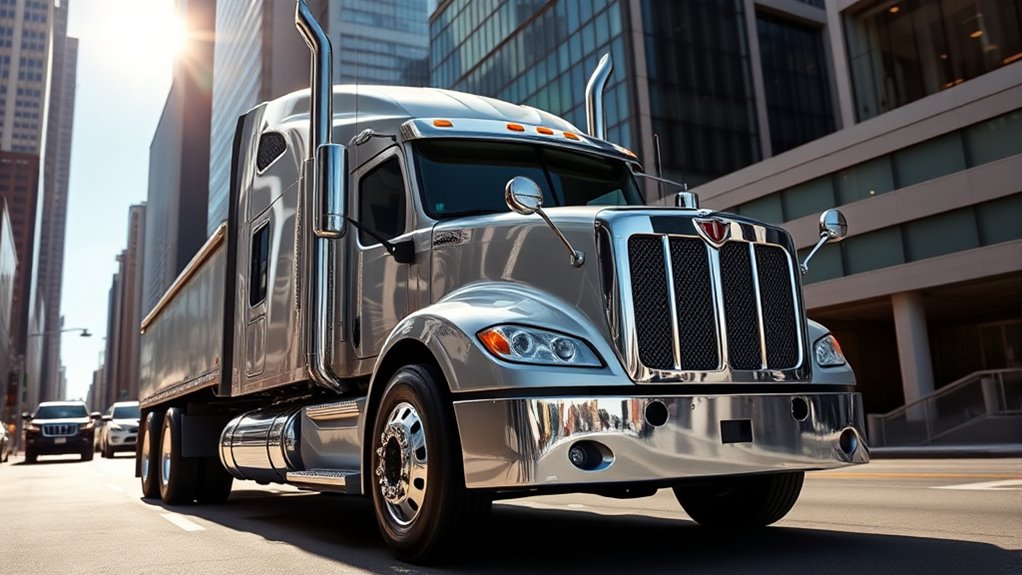
Deciding whether to purchase or lease a truck is a crucial choice that can impact your business’s finances and operations. Your decision influences not only how much capital you need upfront but also the ongoing costs and tax implications involved. When considering purchasing, you typically pay a large sum or finance the truck through a loan, giving you ownership once the payments are complete. This route often offers better long-term savings if you plan to keep the truck for many years. However, owning a truck also means you’re responsible for maintenance and repairs, which can add up over time. You’ll need to set aside funds for regular servicing, tire replacements, and unexpected repairs, all of which can affect your overall profitability.
Choosing to buy or lease a truck impacts finances, operations, and long-term business goals.
On the other hand, leasing a truck usually involves lower monthly payments and can be more flexible. Leasing companies often handle some maintenance or include service packages, reducing your responsibility in that area. Because lease payments are considered operational expenses, they are fully deductible on your taxes, which can provide immediate tax benefits. However, leasing also comes with certain restrictions, such as mileage limits and wear-and-tear clauses, which might lead to additional charges if you exceed those limits. While leasing can help you preserve cash flow, you won’t own the truck at the end of the lease term, meaning you’ll need to decide whether to lease again or purchase a truck later.
Tax implications are a key factor in this decision. When you purchase, you may be eligible for depreciation deductions, which can offset your taxable income over time. Leasing payments, however, are fully deductible as operating expenses, providing a more straightforward tax benefit. Your choice may depend on your business’s financial situation and long-term goals. If you prefer to maximize immediate tax benefits and keep flexibility, leasing might be your best option. Conversely, if you want to build equity and have predictable long-term costs, purchasing could be more advantageous.
Ultimately, your choice hinges on your business’s financial health, how much control you want over the vehicle, and your capacity to handle maintenance responsibilities. Think about your long-term plans—if you expect to keep the truck for many years, buying might make more sense. But if you need to conserve cash flow and prefer predictable expenses, leasing could be the smarter move. Carefully weigh the tax implications and maintenance responsibilities associated with each option to make the decision that aligns best with your business’s needs. Additionally, understanding the foraging range of resources can help you optimize operational logistics and maintenance planning for your fleet.
Frequently Asked Questions
What Is the Tax Implication of Leasing Versus Buying?
Leasing often provides immediate tax deductions since lease payments are typically fully deductible as a business expense. Buying your truck allows you to benefit from depreciation deductions over time, which can offset your income. If you prefer upfront deductions and lower monthly costs, leasing may be better; but if you want depreciation benefits and eventual ownership, buying might be more advantageous. Consider your financial situation and consult a tax professional for personalized advice.
How Does Maintenance Responsibility Differ Between Leasing and Purchasing?
Imagine you’re stepping into a time machine—maintenance responsibility varies greatly. When you lease, the leasing company often handles maintenance, saving you time and effort. With ownership, you’re responsible for all maintenance costs and schedules, which can add up over time. Leasing generally offers predictable ownership costs, while buying may require more attention and investment upfront. Choose according to your ability to manage maintenance and budget for ongoing expenses.
Can I Customize a Leased Truck?
You can customize a leased truck through lease modifications, but your options are limited compared to purchasing. Most lease agreements restrict significant truck customization, so you’ll need to get approval from the leasing company before making any changes. Light truck customization, like decals or interior upgrades, might be allowed, but major modifications usually aren’t. Always review your lease terms to understand what modifications are permitted before proceeding.
What Is the Impact on Cash Flow for Each Option?
Purchasing a truck requires higher upfront costs, which can strain your cash flow initially, but it can lead to lower ongoing expenses. Leasing typically offers better cash flow considerations, with lower upfront payments and predictable monthly costs, helping you manage cash flow more easily. If maintaining steady cash flow matters most, leasing might be the better option. However, buying could save money long-term if you keep the truck for years.
Are There Mileage Restrictions on Leased Trucks?
Yes, there are typically lease restrictions and mileage limits on leased trucks. When you lease, you usually agree to a set mileage limit, often ranging from 10,000 to 15,000 miles per year. Exceeding these mileage limits can lead to additional fees, so you need to monitor your usage carefully. Understanding these lease restrictions upfront helps you avoid unexpected costs and plan your trucking operations accordingly.
Conclusion
Deciding whether to buy or lease your truck is like choosing the right key for your journey—each opens different doors. If you’re ready to put down roots and build equity, purchasing might be your best route. But if you prefer flexibility and lower upfront costs, leasing keeps your options open like a bird in flight. Weigh your needs carefully; whichever path you choose, make sure it drives you toward your goals with confidence.