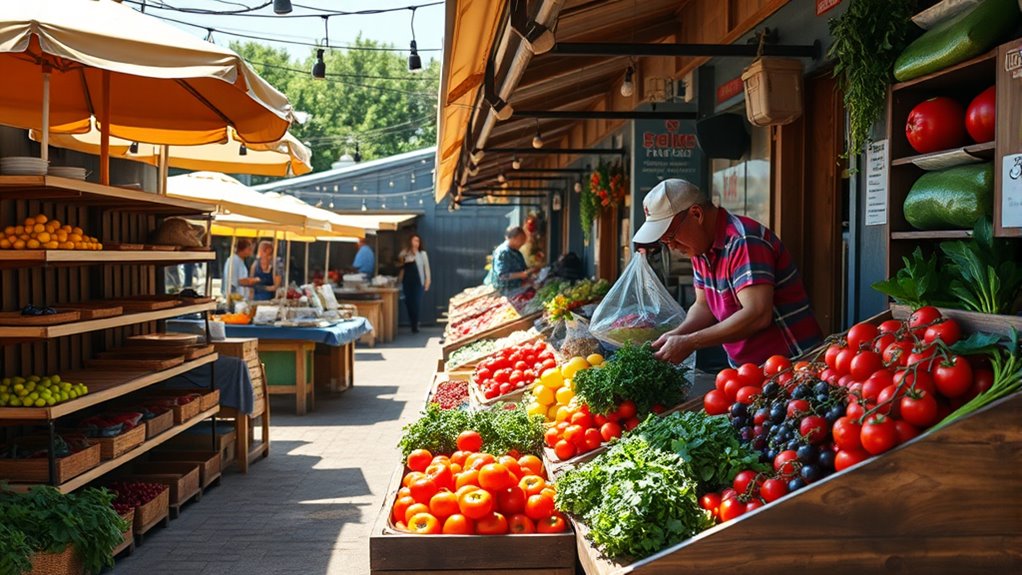

To prepare for seasonality and off-peak times, analyze your historical demand patterns and identify busy and slow periods. Adjust your pricing by offering discounts during slow months and premium rates during peak seasons. Create targeted marketing campaigns that emphasize value and seasonal themes to attract customers. Manage your inventory carefully to match demand fluctuations. Implementing these strategies will help you stay profitable year-round—keep exploring to uncover more ways to optimize your approach.
Key Takeaways
- Analyze historical demand data to identify seasonal peaks and slow periods.
- Develop flexible pricing strategies, including discounts or premium rates, aligned with demand fluctuations.
- Craft targeted marketing campaigns emphasizing value and seasonal relevance to maintain customer engagement.
- Adjust inventory levels and supply chain plans based on demand forecasts to prevent overstocking or shortages.
- Promote bundled offers and collaborate locally to attract customers during off-peak times.

Preparing for seasonality and off-peak times is essential for maintaining steady business performance throughout the year. When you anticipate fluctuations in demand, you can proactively adapt your pricing adjustments and marketing strategies to keep your revenue consistent. This approach helps prevent sluggish periods from impacting your bottom line and ensures your business remains competitive regardless of the season.
Start by analyzing historical data to identify when your business experiences peaks and valleys. Once you understand these patterns, you can develop a flexible pricing strategy that responds to demand shifts. For example, during slower months, consider lowering prices slightly or offering discounts to attract more customers. Conversely, during peak seasons, you can increase prices or introduce premium packages to maximize profits. The key is to tailor your pricing adjustments to match customer behavior, making your offers appealing without undervaluing your products or services.
Equally important are your marketing strategies. When preparing for off-peak times, you need to craft targeted campaigns that highlight the value of your offerings. Use messaging that appeals to specific customer needs during those periods, such as emphasizing affordability, convenience, or unique benefits. You might also leverage seasonal themes to make your promotions more relevant and engaging. For instance, offering special packages or limited-time deals can create urgency and draw attention during slower months.
Utilize digital marketing channels to reach your audience effectively. Email campaigns, social media promotions, and local advertising can all be tailored to promote off-peak specials. Consider creating content that educates your customers about why they should visit or buy from you during these times, whether it’s highlighting your flexible scheduling, exclusive discounts, or new product launches. This kind of targeted messaging helps sustain customer interest and encourages repeat business.
Another tactic involves adjusting your service offerings to match seasonal demand. For example, you might bundle services or products to add value and make your deals more enticing. Collaborating with other local businesses for joint promotions can also expand your reach and create more attractive offers. The goal is to stay top-of-mind even when demand dips, so your customers think of you first when they’re ready to purchase again.
Additionally, understanding production quantity variance can help you better gauge demand fluctuations and optimize your inventory management during these periods. The goal is to stay top-of-mind even when demand dips, so your customers think of you first when they’re ready to purchase again.
Frequently Asked Questions
How Can I Identify Upcoming Seasonal Trends Early?
You can identify upcoming seasonal trends early by engaging in trend forecasting and market analysis. Monitor industry reports, social media buzz, and influencer activity to spot emerging patterns. Keep an eye on competitors’ product launches and seasonal campaigns. Use data analytics tools to analyze sales data and customer behavior, helping you anticipate shifts. Staying proactive with these strategies guarantees you’re ahead of the curve in recognizing seasonal trends before they peak.
What Are Cost-Effective Ways to Maintain Staff During Off-Peak Periods?
Imagine trying to keep a garden lush with only a drip of water—cost-effective staff scheduling is just that. During off-peak times, you can cross-train employees, implement flexible hours, or use part-time workers to manage costs. This approach helps maintain staff without overspending, ensures coverage, and keeps morale high. Think of it as watering your garden just enough to keep it thriving without drowning it in expenses.
How Do I Adjust Marketing Strategies for Seasonal Fluctuations?
You should focus on seasonal marketing by tailoring your campaigns to highlight off-peak promotions that appeal to your target audience during slower times. Adjust your messaging, offers, and channels to emphasize value and attract customers when demand drops. Consider leveraging social media, email marketing, and local partnerships to boost visibility. Flexibility and creativity in your strategies help maintain engagement and revenue despite seasonal fluctuations.
What Technology Tools Assist in Managing Seasonality?
Did you know 80% of businesses find demand forecasting tools essential for managing seasonality? These tools, along with inventory management software, help you anticipate fluctuations and optimize stock levels. By automating demand predictions, you can adjust marketing efforts proactively, ensuring you meet customer needs without overstocking. Embracing technology like these keeps your operations agile, saving costs and boosting sales during peak and off-peak times alike.
How Can I Retain Customer Loyalty During Slow Seasons?
You can retain customer loyalty during slow seasons by enhancing your loyalty programs and boosting customer engagement. Offer exclusive rewards, discounts, or early access to new products to make your customers feel valued. Stay active on social media, send personalized emails, and host special events to keep your audience engaged. These efforts encourage repeat business and strengthen relationships, ensuring your customers remain loyal even when demand dips.
Conclusion
Now that you know how to prepare for seasonality and off-peak times, the real challenge begins. Will your strategies hold up when the busy season hits or when the quiet settles in? The next move could define your success—are you ready to adapt and thrive no matter what’s ahead? Stay alert, stay flexible, and keep your eyes on the prize. The future isn’t set yet—trust yourself to make it a winning one.