To source local ingredients for your food truck, start by connecting with nearby farmers markets, cooperatives, and farm visits to build strong relationships with trusted suppliers. Verify ingredient quality upon receipt, store perishables properly, and negotiate fair prices that fit your budget. Incorporate seasonal flavors into your menu to offer fresh, authentic dishes. Ensuring reliable delivery, managing inventory effectively, and promoting your local sourcing efforts will help you stand out—discover more tips to make it successfull.
Key Takeaways
- Visit farmers markets and local cooperatives to connect with nearby farmers and verify sustainable harvesting practices.
- Build relationships through farm visits, regular communication, prompt payments, and trust to ensure quality and reliability.
- Highlight seasonal and regional ingredients in your menu to showcase freshness and authenticity, adapting offerings to local harvests.
- Maintain proper inventory management, store perishables correctly, and inspect ingredients upon receipt to ensure freshness and reduce waste.
- Use social media and community events to promote local sourcing stories, supporting local producers and engaging customers with your commitment.
Identifying Local Suppliers and Farmers

To successfully source local ingredients, you need to identify nearby suppliers and farmers who can provide fresh, quality produce consistently. Start by visiting farmers markets in your area, where you can meet farmers directly and assess their offerings. Farmers markets often feature trusted vendors who prioritize fresh, seasonal products. Additionally, explore local cooperatives, which serve as hubs connecting you with multiple farmers and producers. These cooperatives streamline sourcing by offering a variety of ingredients in one place, often at better prices. Establishing relationships with these suppliers ensures you receive reliable, high-quality ingredients for your menu. Keep a list of potential vendors, visit their farms or stands when possible, and verify their sourcing practices to maintain the freshness and integrity of your ingredients. Building strong relationships with local suppliers can also help you stay informed about seasonal availability and new products.
Building Strong Relationships With Your Community
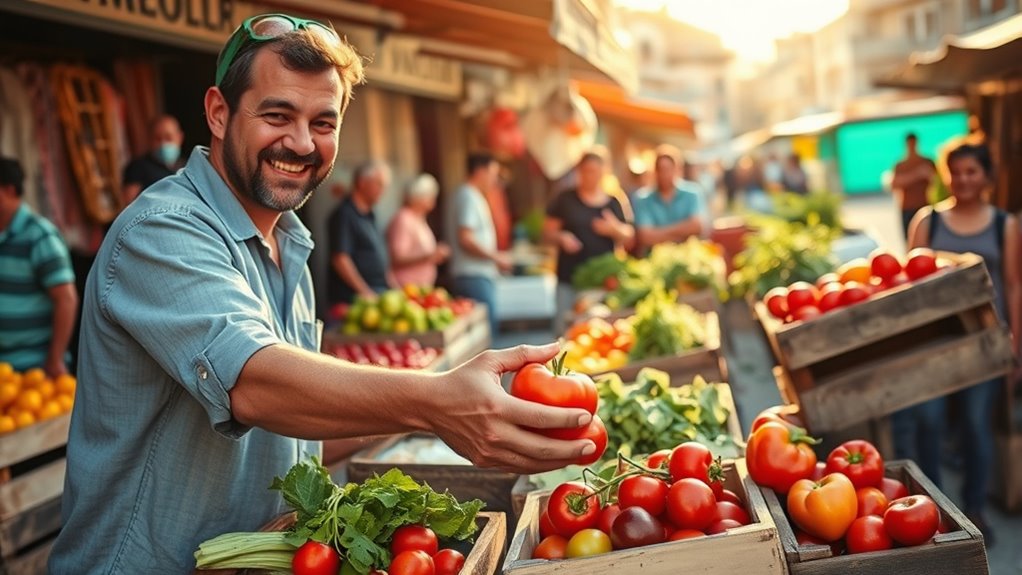
Building strong relationships with your community is essential for the long-term success of your food truck. Engaging locally creates loyalty and boosts your visibility. You can do this by:
- Participating in community events to showcase your menu and connect directly with customers.
- Supporting local causes or charities to demonstrate your commitment to the area.
- Using social media outreach to share updates, highlight collaborations, and respond to followers.
- Collaborating with nearby businesses for cross-promotions or joint events.
- Being aware of local operating hours and scheduling your visits accordingly to maximize community engagement.
These efforts foster trust and familiarity, making your food truck a valued part of the neighborhood. Consistent involvement helps you understand your community’s preferences and build genuine relationships that keep customers coming back.
Verifying the Quality and Freshness of Ingredients

Ensuring the quality and freshness of your ingredients is essential for maintaining the taste and safety of your dishes. To do this, evaluate harvesting methods—choose suppliers who prioritize quick, sustainable harvesting to preserve flavor and nutrients. When you receive ingredients, inspect their appearance, smell, and texture to verify freshness. Proper storage techniques are also critical; keep perishable items at the correct temperatures and avoid overcrowding to prevent spoilage. Regularly check for signs of deterioration, such as wilting or discoloration, and rotate stock so older ingredients are used first. Building a relationship with local producers can help you gain insight into their harvesting practices and storage methods, giving you confidence in the quality of your ingredients and ensuring your dishes are consistently fresh and safe. Incorporating Proper storage techniques can also help extend the shelf life of your ingredients, reducing waste and maintaining quality over time.
Negotiating Fair Prices and Terms
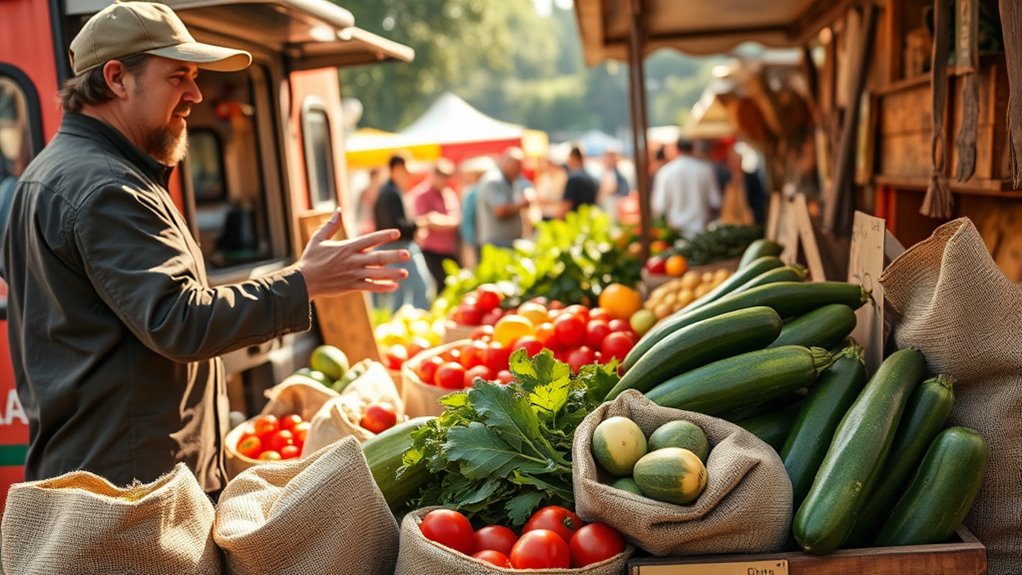
Building strong relationships with your suppliers helps you negotiate better prices and terms. Be clear about your expectations early on, so everyone’s on the same page. When you establish fair price expectations, it’s easier to reach agreements that benefit both parties. Incorporating nutrient-rich ingredients into your offerings can also give you leverage in negotiations, as suppliers may be more willing to provide better deals on high-quality produce.
Building Supplier Relationships
Establishing strong relationships with suppliers is essential for securing fair prices and favorable terms for your food truck. Building trust with local farmers and vendors at farmer’s markets can lead to better ingredient sourcing deals. To do this effectively, consider these steps:
- Visit farmer’s markets regularly to meet suppliers and understand their offerings.
- Communicate your needs clearly, emphasizing your commitment to local and fresh ingredients.
- Negotiate directly, focusing on long-term partnerships rather than one-time deals.
- Offer prompt payment or repeat business to build goodwill and secure favorable terms.
- Understanding the importance of quality and reliability in your ingredient sourcing can help maintain consistent menu standards and customer satisfaction.
Establishing Price Expectations
Negotiating fair prices and terms is essential for maintaining profitability and building sustainable supplier relationships. To do this effectively, you need a solid understanding of your costs through detailed cost analysis. This helps you set realistic pricing strategies that ensure fair compensation for suppliers while keeping your margins healthy. When discussing prices, be transparent about your budget constraints and value expectations. Don’t shy away from negotiating terms that benefit both parties, such as payment schedules or delivery arrangements. Remember, establishing clear price expectations early on avoids misunderstandings and secures consistent supply. By applying strategic negotiation techniques rooted in thorough cost analysis, you can build mutually beneficial relationships that support your food truck’s long-term success. Additionally, understanding optimal angles for pinball machines can inspire creative approaches to space utilization and layout in your food truck, maximizing efficiency and customer engagement.
Incorporating Local Ingredients Into Your Menu
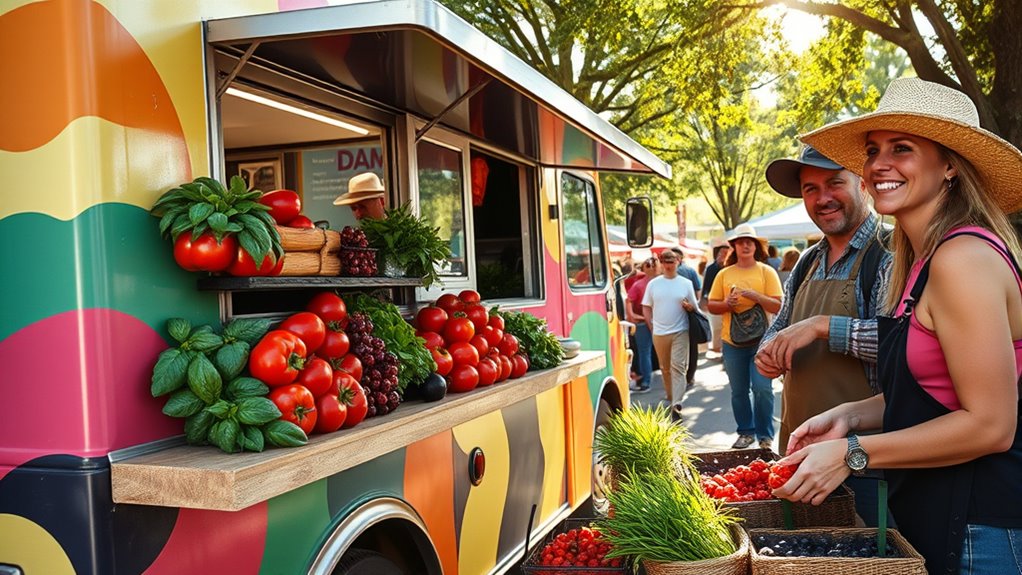
Incorporating local ingredients into your menu lets you highlight regional flavors that set your food truck apart. Partnering with local farmers helps you access fresh, seasonal ingredients while supporting your community. By promoting these ingredients, you can attract customers seeking authentic and sustainable dining experiences. Building trust with your suppliers ensures consistent quality and fosters long-term relationships that benefit your business.
Highlight Regional Flavors
To truly stand out in a competitive food truck scene, highlighting regional flavors by using local ingredients can make a significant difference. Incorporate the authentic taste of your area by tapping into regional festivals and culinary tourism. Imagine serving:
- Dishes inspired by local harvest festivals, featuring seasonal produce
- Signature sauces made from regional spices and herbs
- Traditional snacks or street foods celebrated during local events
- Unique beverages crafted with locally sourced fruits or herbs
These elements not only enhance your menu’s authenticity but also attract tourists enthusiastic to experience regional culture. By emphasizing local flavors, you create a memorable dining experience that resonates with both locals and visitors, strengthening your food truck’s identity within the community. Additionally, understanding AI in Business can help you analyze customer preferences and optimize your sourcing strategies effectively.
Partner With Local Farmers
Partnering with local farmers allows your food truck to access fresh, high-quality ingredients that showcase the flavors of your region. This farm-to-table approach guarantees you serve seasonal, flavorful dishes that appeal to customers seeking authenticity. By working directly with farmers, you support sustainable practices that prioritize environmentally friendly methods and reduce your supply chain’s carbon footprint. Building relationships with local producers also gives you more control over ingredient quality and availability, allowing you to adapt your menu to what’s in season. Incorporating locally sourced ingredients not only enhances the freshness of your dishes but also helps you stand out as a community-focused business committed to sustainability. Additionally, understanding raw food diets and their benefits can inspire you to create health-conscious options that cater to diverse customer preferences. This partnership ultimately benefits both your menu and your reputation.
Promote Fresh, Seasonal Ingredients
Adding fresh, seasonal ingredients to your menu not only highlights the best flavors of your region but also appeals to customers seeking authentic and wholesome options. Embrace farm-to-table practices by adapting to seasonal variations, ensuring your dishes stay vibrant and fresh. Here are ways to showcase these ingredients: 1. Feature a rotating menu based on seasonal harvests, keeping offerings dynamic. 2. Highlight local produce in daily specials to emphasize freshness. 3. Educate customers on seasonal variations and their benefits through signage or social media. 4. Partner with farmers to access peak flavors, reinforcing your commitment to local sourcing. Incorporating natural materials and rustic decor can further emphasize your focus on fresh, local ingredients and create an authentic atmosphere.
Managing Supply Chain and Inventory Effectively
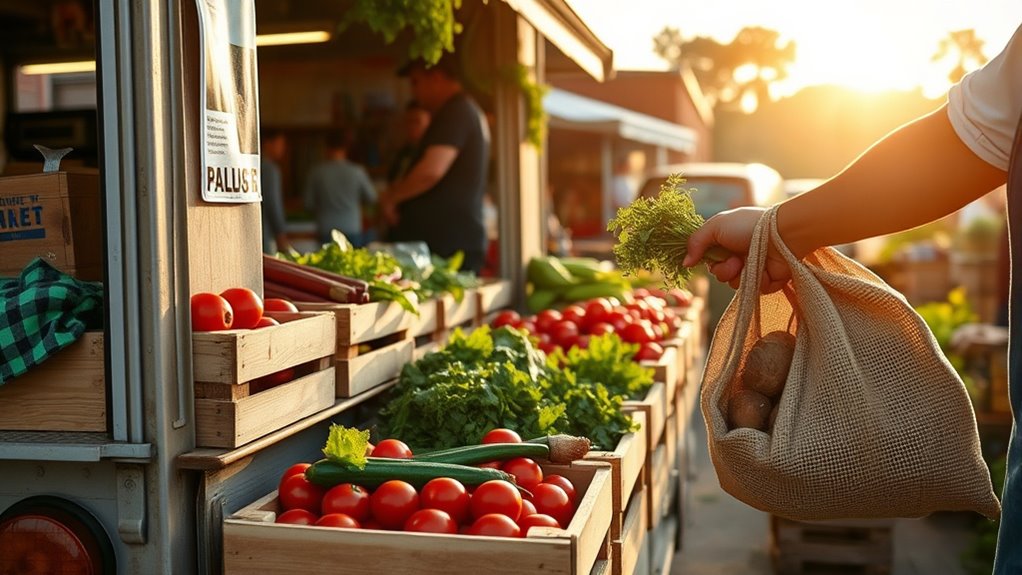
Managing your supply chain and inventory efficiently is essential for keeping your food truck running smoothly and minimizing waste. Start by establishing strong relationships with local suppliers to guarantee timely deliveries and consistent quality. Use inventory management tools to track stock levels, expiration dates, and usage patterns, preventing over-ordering or shortages. This precision helps with food truck marketing, as you can confidently promote fresh, seasonal ingredients. Regular equipment maintenance also plays a role, as well-maintained gear reduces unexpected breakdowns that could disrupt your supply chain. Stay organized by planning purchases around your menu demand and seasonal availability. Incorporating inventory tracking systems can further enhance your control over stock levels and reduce waste. With effective management, you’ll reduce waste, control costs, and deliver a consistently high-quality experience that keeps customers coming back.
Promoting Your Commitment to Local Sourcing
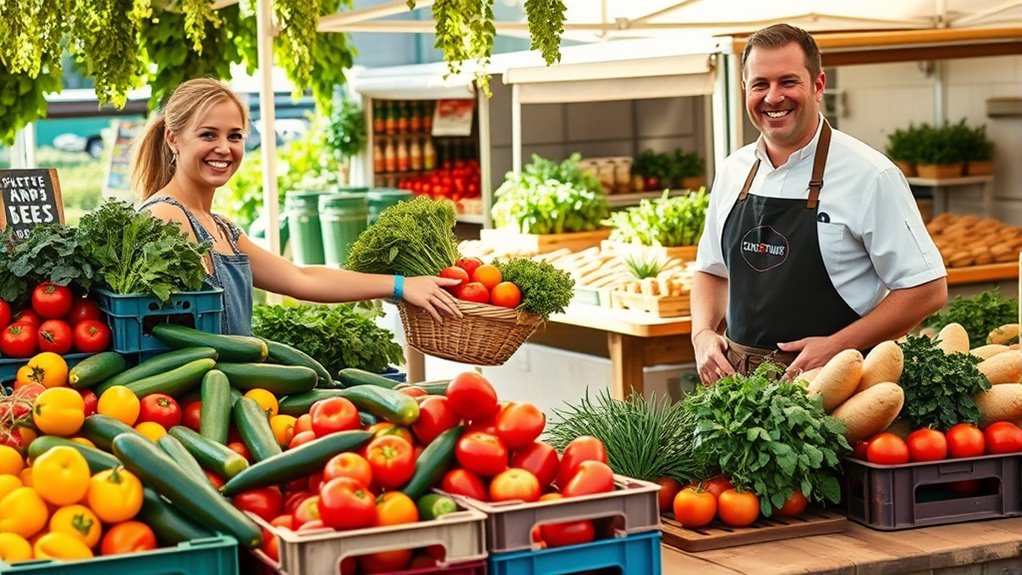
Highlighting your commitment to local sourcing can set your food truck apart and attract loyal customers who value fresh, community-focused ingredients. To showcase your farm-to-table approach and culinary innovation, consider these strategies:
- Share stories about your local farmers and their practices on social media and menus.
- Display certifications or partnerships that prove your dedication to local sourcing.
- Host events like farm visits or tasting nights to connect customers directly with producers.
- Highlight seasonal menu changes that reflect the freshest local ingredients, emphasizing your farm-to-table philosophy.
- Incorporate local sourcing principles into your menu design and branding to reinforce your commitment to community-supported agriculture.
Frequently Asked Questions
How Do Seasonal Changes Affect Local Ingredient Availability?
You’ll notice seasonal changes considerably impact local ingredient availability due to seasonal harvesting cycles. During peak seasons, fresh produce is plentiful, but in off-peak times, supply chain variability can cause shortages. As a food truck owner, you should plan menus around seasonal harvesting to guarantee quality and consistency. Stay flexible with your ingredients, and establish good relationships with local suppliers to adapt quickly to changing availability throughout the year.
What Are Common Challenges When Sourcing From Small-Scale Farmers?
You might face challenges sourcing from small-scale farmers, especially regarding farmers’ reliability and supply chain disruptions. These farmers often have limited resources and may struggle with inconsistent harvests or delays, affecting your menu’s consistency. Weather, seasonal changes, or transportation issues can further disrupt supply chains, making it tricky to guarantee a steady supply of fresh ingredients. Building strong relationships and planning ahead can help mitigate these common challenges.
How Can I Ensure Consistent Ingredient Quality From Local Suppliers?
To guarantee consistent ingredient quality from local suppliers, you should build strong supplier relationships by communicating your expectations clearly and regularly. Implement quality control measures like inspections and tastings before purchasing. Stay involved in the supply process, provide feedback, and develop trust. This proactive approach helps you catch issues early, maintain standards, and foster reliable partnerships, ensuring your food truck always serves high-quality, fresh ingredients.
Are There Legal or Regulatory Considerations for Local Sourcing?
You should check permitting requirements and labeling regulations in your area before sourcing locally. These rules confirm your ingredients meet health and safety standards, and proper labeling helps with transparency and compliance. Failing to adhere to regulations can lead to fines or shutdowns. Stay informed by consulting local health departments or regulatory agencies, and keep thorough documentation of your sourcing practices to avoid legal issues.
How Can I Educate Customers About the Benefits of Local Ingredients?
You can educate your customers by using community engagement and storytelling strategies. Share stories about local farmers and the journey of your ingredients, making it personal and relatable. Highlight the health, flavor, and environmental benefits of supporting local sources. Use social media, signage, and conversations to showcase these stories, helping customers connect emotionally and understand the positive impact their choices have on the community and local economy.
Conclusion
By sourcing locally, you not only support your community but also boost your food truck’s authenticity and appeal. Did you know that 78% of consumers prefer restaurants that prioritize local ingredients? Building strong relationships with suppliers and focusing on quality will set you apart. Keep managing your inventory carefully and promote your commitment to local sourcing—it’s a win-win for your business and your neighborhood. Start making local choices today and see the positive impact grow!