
To guarantee your safety while traveling, prepare extensive travel insurance and keep emergency contacts handy. Stay vigilant by securing your valuables, being cautious with strangers, and understanding local customs. Trust your instincts and remove yourself from unsafe situations. Plan ahead for emergencies and share your itinerary with trusted contacts. By following these steps, you can enjoy your trip confidently and comfortably, with additional safety tips to help you stay secure throughout your journey.
Key Takeaways
- Obtain comprehensive travel insurance and keep emergency contacts accessible.
- Compile and share your itinerary and local emergency numbers with trusted contacts.
- Secure valuables with travel locks or safes and stay alert to your surroundings.
- Familiarize yourself with local customs, laws, and basic language phrases.
- Trust your instincts and avoid risky situations to maintain personal safety.
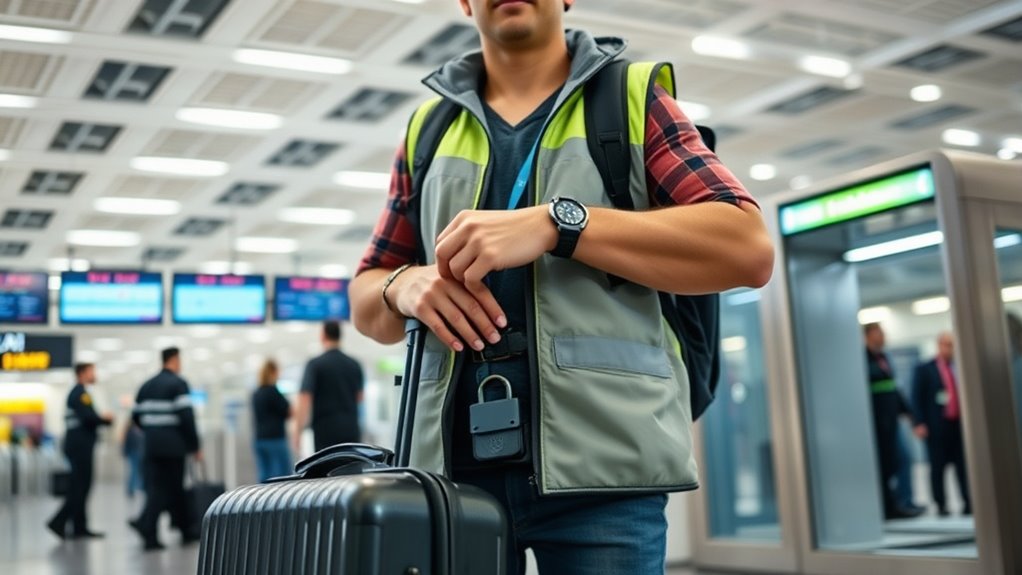
Traveling can be exciting, but it’s essential to prioritize your safety and security every step of the way. Before you even pack your bags, make sure you have extensive travel insurance. This isn’t just a safety net for medical emergencies; it can also cover trip cancellations, lost luggage, or unexpected delays. Having the right travel insurance means you won’t be left scrambling if something goes wrong, giving you peace of mind to fully enjoy your trip. Always read the policy carefully, understand what’s covered, and keep a digital or printed copy handy. It’s also wise to verify the insurer’s contact details and emergency contacts for quick access when you need them most.
Prioritize comprehensive travel insurance and keep emergency contacts accessible for a safer, worry-free trip.
Equally important is knowing your emergency contacts. Before leaving home, compile a list of local emergency numbers for the country you’re visiting—such as police, medical assistance, and your country’s embassy or consulate. Save these contacts on your phone and write them down in a visible place, like your travel wallet. Share your itinerary and emergency contacts with a trusted friend or family member back home. Let them know your whereabouts and check in regularly, especially if you’re traveling solo. Having reliable emergency contacts provides an extra layer of security, making it easier to get help if you encounter trouble.
While exploring new places, stay vigilant. Keep your valuables secure and be cautious when sharing personal information with strangers. Use hotel safes for passports, extra cash, and important documents. Avoid displaying expensive gadgets in public, as these can attract unwanted attention. Be mindful of your surroundings and trust your instincts—if a situation feels unsafe, remove yourself from it immediately. Additionally, familiarize yourself with local customs and laws to avoid misunderstandings or legal issues. Respect cultural norms, dress appropriately, and learn basic phrases in the local language—this can help you navigate unfamiliar environments more confidently. Always have your travel insurance details and emergency contacts easily accessible, whether in a digital app or printed form. That way, if you need assistance, you can quickly reach out to the right people or authorities. Keeping your valuables secured in a reliable way, such as a secure travel lock or a safe, further enhances your safety.
Ultimately, taking these proactive steps — securing travel insurance, knowing your emergency contacts, and staying alert — ensures you’re prepared for the unexpected. It allows you to focus on the experience and enjoy your trip without unnecessary worry. Remember, your safety is just as important as making memories, so stay vigilant and plan ahead.
As an affiliate, we earn on qualifying purchases.
Frequently Asked Questions
How Can I Protect My Digital Devices Abroad?
To protect your digital devices abroad, enable device encryption to safeguard your data in case of theft or loss. Use secure Wi-Fi networks—avoid public hotspots whenever possible—and consider using a VPN for extra security. Keep your devices updated with the latest software and disable Bluetooth and Wi-Fi when not in use. Carry a portable charger, and back up your data regularly to prevent losing important information.
What Should I Do if I Lose My Passport Overseas?
If you lose your passport overseas, think of it as a sudden storm in your travel journey. Act quickly by contacting your embassy or consulate—they’re your lighthouse guiding you through. Follow their embassy procedures for passport replacement, which usually involves filling out forms and providing proof of identity. Stay calm, gather your documents, and trust the process; soon, you’ll be sailing smoothly once again.
How Can I Identify Genuine Local Security Personnel?
To identify genuine local security personnel, start by verifying their uniform and badges for authenticity. Look for official insignia, logos, and proper attire, and don’t hesitate to ask for their credentials or identification. Trust personnel who willingly show their credentials and who can provide official contact information if needed. Remember, genuine security staff typically follow standard uniform protocols and are transparent about their authority, ensuring your safety while traveling.
Are Travel Insurance Policies Comprehensive Enough?
Think of your travel insurance as a safety net, but one with gaps. While many policies seem all-encompassing, they often hide coverage gaps and policy exclusions that can leave you vulnerable. You might assume you’re protected from all mishaps, but check the fine print—some incidents, like adventure sports or pre-existing conditions, might be excluded. To truly stay secure, compare policies carefully and ask questions before you sign on the dotted line.
How Do I Handle Language Barriers in Emergencies?
When facing language barriers in emergencies, you should seek translation assistance immediately. Use translation apps or carry a phrasebook with key emergency phrases in the local language. Keep important contact numbers visible and provide them to local authorities if needed. Clear emergency communication is vital, so stay calm, speak slowly, and use gestures if necessary. These steps help guarantee you’re understood and can get the help you need quickly.
As an affiliate, we earn on qualifying purchases.
Conclusion
Remember, your journey is like a delicate vessel sailing across vast, unpredictable seas. By staying alert and prepared, you’re the captain steering through potential storms toward safe shores. Trust your instincts as your guiding star, and keep security measures close like a sturdy anchor. With awareness and caution, you’ll navigate every adventure smoothly, transforming each trip into a journey not just of discovery, but of resilience. Your safety is the lighthouse guiding you home, no matter the distance.
As an affiliate, we earn on qualifying purchases.
As an affiliate, we earn on qualifying purchases.