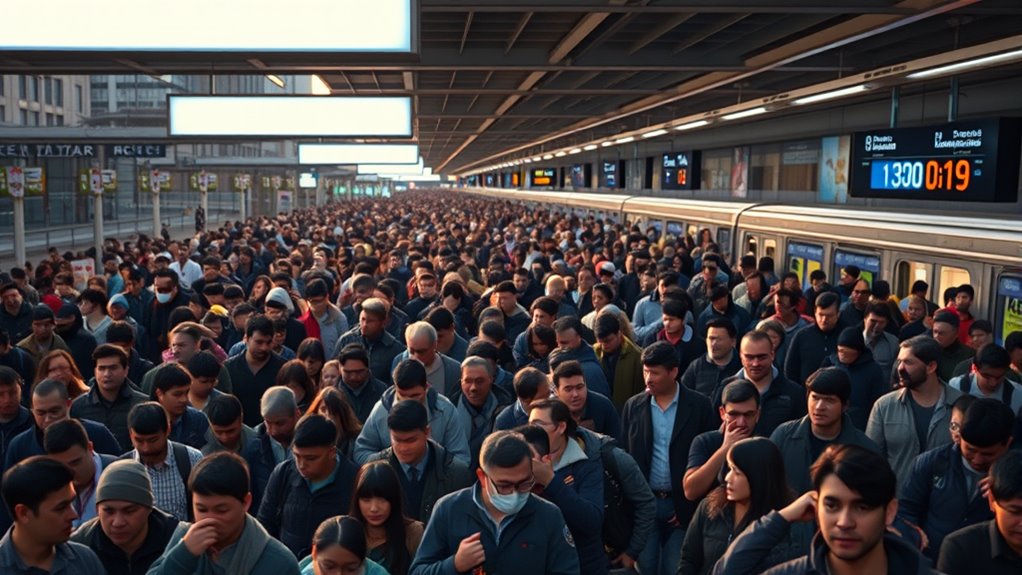

To manage peak-hour lines effectively, you should implement real-time queue monitoring combined with dynamic staffing adjustments. Set clear thresholds for wait times or queue lengths to trigger staffing changes, increasing staff during busy periods and reducing them during lulls. Use technology like digital signage or alerts to keep customers informed and reduce perceived wait times. Mastering these strategies can markedly improve customer satisfaction and operational flow—exploring how to optimize these methods will give you even better control over busy hours.

Get kitchen staples and gadgets delivered free with Prime
- Fast, free delivery on millions of items
- Prime Video, Amazon Music and more included
- Member-only deals all year
Key Takeaways
- Monitor real-time queue lengths to identify when thresholds are exceeded during peak hours.
- Implement dynamic staffing adjustments based on queue data to reduce wait times.
- Set predefined queue or wait time thresholds to trigger proactive staffing changes.
- Use queue management techniques like fast-track lanes and digital alerts to improve customer experience.
- Anticipate peak periods and optimize staff schedules to prevent long lines and enhance operational efficiency.
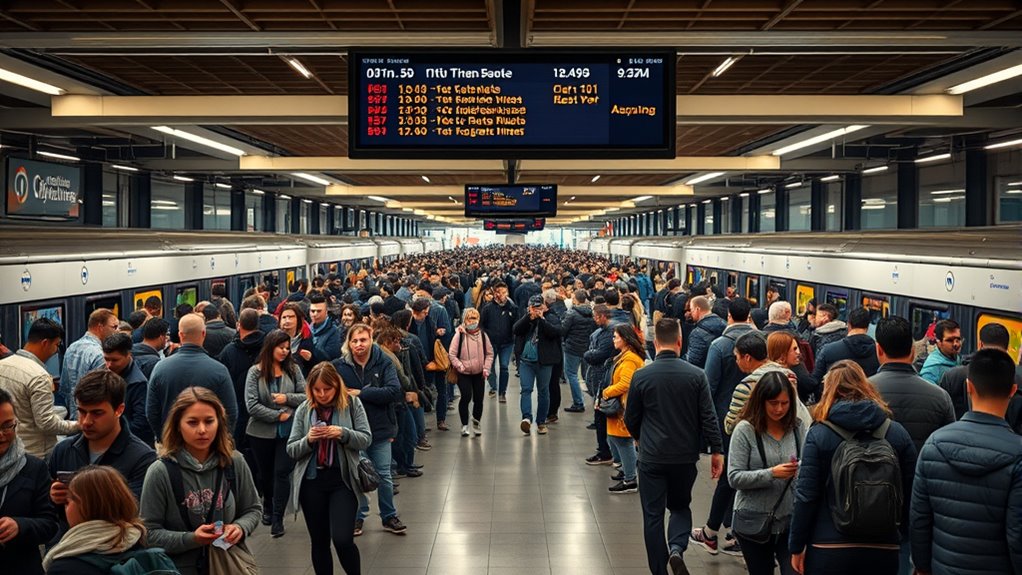
During peak hours, long lines can frustrate customers and disrupt operations. When the queue length grows too long, it signals that your current staffing levels might not be enough to handle the influx efficiently. To address this, you need to focus on queue length optimization, which helps keep wait times manageable and improves customer satisfaction. By closely monitoring how many people are waiting, you can make smarter staffing adjustments in real-time, ensuring you’re neither understaffed nor overstaffed. This balance is vital because too few staff members can lead to longer waits, while too many can waste resources.
One of the most effective ways to manage peak-hour lines is to implement a dynamic staffing strategy. This means you don’t stick to a fixed schedule but adjust your team size based on real-time demand. For example, if you notice the queue growing rapidly, you can bring in additional staff to speed up service. Conversely, during lulls, you can scale back to avoid overspending on labor. This approach requires you to constantly track queue length data, either through manual observation or automation tools, so you can respond swiftly and accurately.
Implement a dynamic staffing strategy that adjusts team size based on real-time queue data.
Another technique involves setting clear thresholds for when staffing adjustments should occur. For instance, if the queue exceeds a certain number of customers or a specific wait time threshold, you trigger a staffing increase. Conversely, when the queue shrinks below that threshold, you can reduce staff levels. These preset parameters help create a structured response that minimizes delays and maintains service quality. This proactive planning prevents the chaos of last-minute scrambles and helps streamline operations during busy times.
Beyond staffing adjustments, you can also optimize how your team manages queues. Implementing fast-track lanes for certain customers, such as those with appointments or premium members, can reduce overall wait times. Using technology like digital signage or mobile alerts can also keep customers informed about expected wait times, reducing anxiety and perceived wait. Combining these strategies with effective staff management creates a smoother flow, even during the busiest hours.
Ultimately, managing peak-hour lines isn’t just about reacting to long queues; it’s about anticipating them and adjusting accordingly. By focusing on queue length optimization and staffing adjustments, you ensure your customers experience shorter waits and your operations run more smoothly. You’ll create a more efficient environment that handles high demand without sacrificing service quality, leaving customers satisfied and your staff better equipped to handle busy periods. Additionally, understanding water quality can help identify specific needs for filtration or treatment that might influence customer flow or service times.
Frequently Asked Questions
How Can Technology Further Streamline Queue Management During Peak Hours?
You can use technology to make queue management during peak hours more efficient by implementing digital signage and mobile alerts. Digital signage keeps customers informed about wait times and alternative options, reducing frustration. Meanwhile, mobile alerts notify patrons when it’s their turn, allowing them to browse or relax instead of standing in line. This combination streamlines flow, improves customer experience, and optimizes staffing during busy times.
What Are the Best Practices for Staff Training in Queue Strategies?
You should focus on staff training that emphasizes queue efficiency, ensuring your team understands the importance of quick, polite service and clear communication. Train staff regularly on queue management strategies, including how to handle impatient customers and prioritize tasks effectively. Use role-playing scenarios to improve their response skills, and keep them updated on new queue strategies or technology. Well-trained staff can appreciably reduce wait times and enhance customer satisfaction during peak hours.
How Do Customer Preferences Influence Queue Management Approaches?
Customer behavior greatly influences your queue management approaches. By understanding their preferences, you can customize queues to improve satisfaction, like offering express lanes or mobile check-ins. You should monitor how customers respond to different strategies and adapt accordingly. When you tailor your queues based on customer behavior, you create a smoother experience, reduce wait times, and boost overall satisfaction, making your service more efficient and customer-friendly.
What Are the Costs Associated With Implementing Advanced Queue Strategies?
Implementing advanced queue strategies involves costs like technology investments, staff training, and ongoing maintenance. You’ll need to carry out a thorough cost analysis to understand these expenses and guarantee your resource allocation is optimized. While upfront costs may be high, the improved customer experience and reduced wait times can offset these investments over time, leading to increased satisfaction and efficiency during peak hours.
How Can Feedback From Customers Improve Queue Management Systems?
Customer feedback genuinely improves queue management because it reveals what customers value most, allowing you to tailor the queue customization to meet their needs. Investigating this, you find that feedback helps identify pain points and preferences, so you can implement targeted strategies like digital updates or flexible options. By actively listening, you create a more efficient, customer-centric system that enhances satisfaction and reduces wait frustrations, ensuring your queue strategies stay effective.
Conclusion
By implementing effective queue strategies, you can substantially reduce wait times and improve customer satisfaction during peak hours. Did you know that proper queue management can decrease wait times by up to 30%? That means happier customers and smoother operations. So, take charge of your lines, adapt strategies as needed, and watch your busy hours become more manageable. Every moment saved makes a difference—your customers will thank you for it.
Halloween Picks
halloween
As an affiliate, we earn on qualifying purchases.