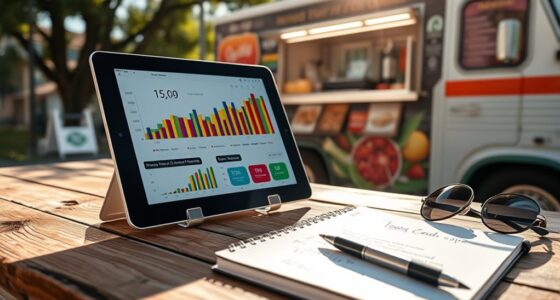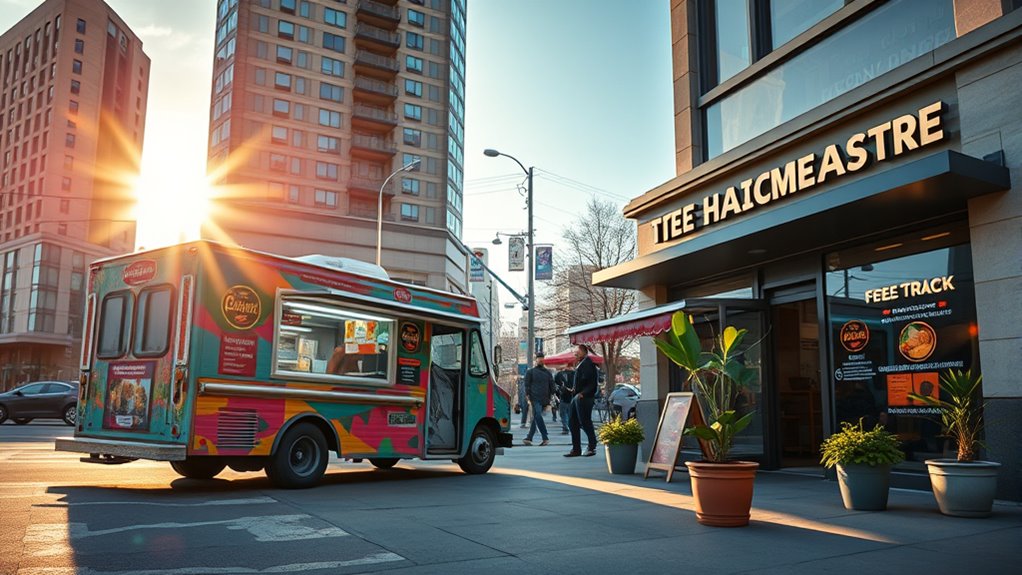
Transitioning from a food truck to a brick-and-mortar involves strategic planning around location, parking, and lease terms. You’ll need a site with sufficient parking that supports customer flow and future growth, while negotiating favorable lease conditions. Accessibility and visibility are key to attracting new customers and establishing your brand presence. Balancing costs with space and location can make or break your long-term success—continue exploring for essential tips on making this change smooth.
Key Takeaways
- Conduct thorough site selection considering parking availability, accessibility, and long-term growth potential.
- Negotiate favorable lease terms focusing on affordability, signage rights, and lease duration with experienced professionals.
- Plan for sufficient parking to support increased customer foot traffic and enhance convenience.
- Balance lease costs and parking expenses to ensure operational financial stability and scalability.
- Prioritize location factors that boost brand visibility, customer accessibility, and align with business expansion goals.
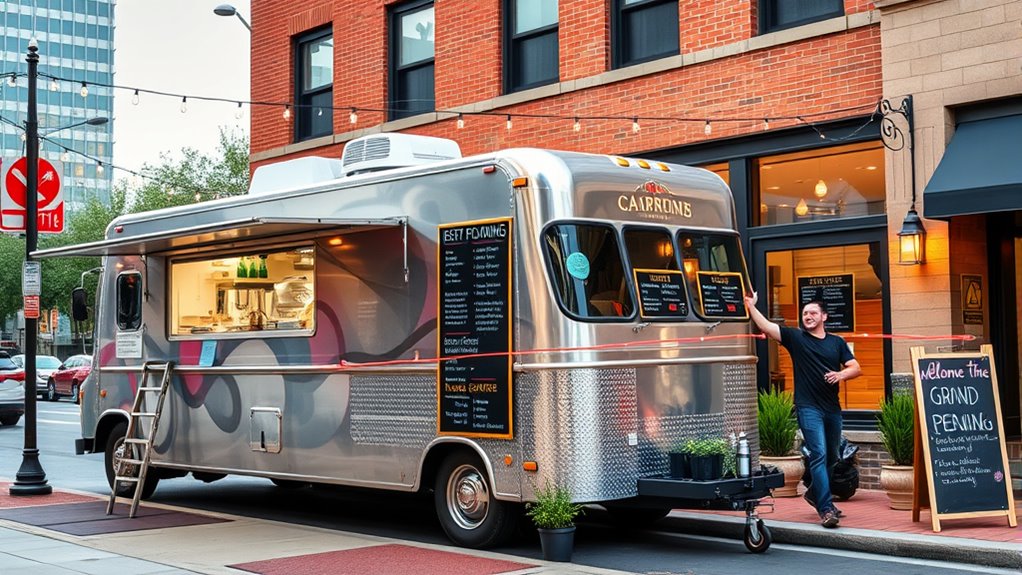
Many food truck owners find that shifting to a brick-and-mortar location is a natural step toward expanding their business and reaching more customers. However, this transition isn’t without its hurdles. One of the first challenges you’ll face is parking. Unlike your mobile setup, a brick-and-mortar space demands a dedicated parking area for customers and staff. Securing a location with ample parking is vital, as it directly impacts customer convenience and your store’s walk-in traffic. You might find yourself negotiating with landlords over parking lot access or shared spaces, which can be complex. Some locations may have limited parking, forcing you to get creative with signage, customer flow, or even offering incentives for nearby parking options. Remember, parking issues can severely affect your business’s reputation, so prioritize thorough research and strategic planning.
Once you’ve identified potential sites with sufficient parking, the next step involves lease negotiations. This stage can be intimidating, especially if you’re new to commercial real estate. Landlords often have specific requirements, and lease terms can be flexible or rigid depending on the property. You’ll need to carefully review the lease agreement, paying close attention to rent costs, duration, renewal options, and any restrictions that could limit your operations. Negotiating favorable terms might involve discussing rent reductions, leasehold improvements, or clauses about signage and hours of operation. It’s wise to work with a real estate agent or attorney experienced in commercial leases to guarantee your interests are protected. Don’t hesitate to ask questions or negotiate terms that give you flexibility—long-term stability in your lease can make or break your new venture.
Balancing parking and lease negotiations requires strategic thinking. You want a location with enough parking to attract customers without incurring prohibitive costs or restrictive lease terms. It’s essential to assess not just the immediate needs but also your future growth plans. Will the parking situation accommodate increased foot traffic? Is the lease affordable enough to allow for marketing and operational expenses? These considerations help you find a space that supports your business goals without overextending your budget. Additionally, understanding brand recognition and market presence in your chosen area can influence the success of your brick-and-mortar store, making location and accessibility crucial factors.
Frequently Asked Questions
How Do I Choose the Perfect Location for My Restaurant?
To choose the perfect location, you need to analyze neighborhood demographics and conduct a thorough competitor analysis. Look for areas with a target audience that matches your concept, ensuring sufficient foot traffic and accessibility. Visit potential spots regularly to observe activity levels, and identify nearby competitors. Selecting a location with less saturation and a demographic that aligns with your brand will boost your chances of success and help your restaurant thrive.
What Are the Initial Costs Involved in Opening a Brick-And-Mortar?
When opening a brick-and-mortar, your initial costs include expenses for menu design and interior decor, which set the tone for your restaurant’s atmosphere. You’ll also need to budget for leasing, renovations, kitchen equipment, permits, and initial inventory. Don’t forget staffing and marketing. These costs vary but plan for a substantial investment upfront to make certain your space looks inviting and functions smoothly from day one.
How Can I Manage Staff and Operations Effectively?
Did you know that well-trained staff can boost customer satisfaction by up to 20%? To manage staff and operations effectively, focus on extensive staff training and clear operational systems. Set expectations early, use checklists, and implement technology to streamline tasks. Regularly review performance and encourage open communication. This approach helps create a smooth-running environment, ensuring your team stays motivated and your business operates efficiently.
What Permits and Licenses Are Required for a Restaurant?
You’ll need to obtain various permits and licenses, including health inspections to verify safety standards and compliance. If you plan to serve alcohol, a liquor license is essential. Check local and state regulations to determine specific requirements, as they can vary. Make sure to apply well in advance, gather all necessary documentation, and stay updated on renewal deadlines to keep your restaurant legally operational.
How Do I Market My New Restaurant to Attract Customers?
Imagine a warm, inviting glow from your restaurant’s windows, drawing in curious passersby. To attract customers, leverage social media by sharing mouth-watering photos and engaging stories. Partner with local businesses to host events or offer joint promotions, creating buzz in your community. Use targeted ads to reach nearby residents, and encourage satisfied customers to spread the word. Consistent, authentic marketing builds a loyal crowd enthusiastic to experience your new space.
Conclusion
Making the leap from a food truck to a brick-and-mortar location is exciting and rewarding. Did you know that nearly 60% of food truck owners eventually open their own storefronts? By carefully planning and staying adaptable, you can turn your mobile success into a thriving brick-and-mortar business. Keep your passion alive, stay focused on quality, and embrace the new opportunities ahead. Your journey from a truck to a shop could be the start of something even bigger.
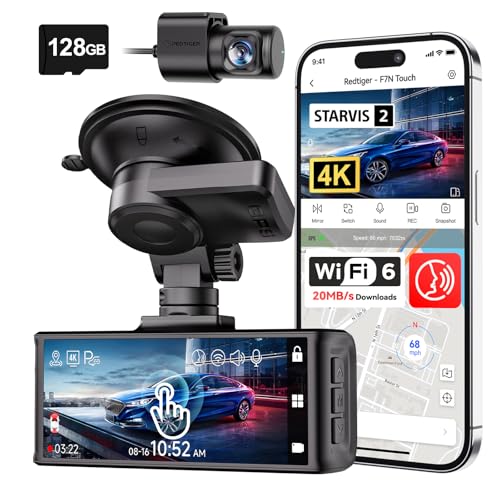
REDTIGER 4K STARVIS 2 Dashcam Front Rear, 5GHz WiFi 20MB/s, Free 128GB Card
- 4K + 1080P Dual Recording: High-resolution front and rear cameras
- Wide-Angle Lens: 170° front, 140° rear views
- Night Vision Technology: WDR and HDR for low-light clarity
As an affiliate, we earn on qualifying purchases.