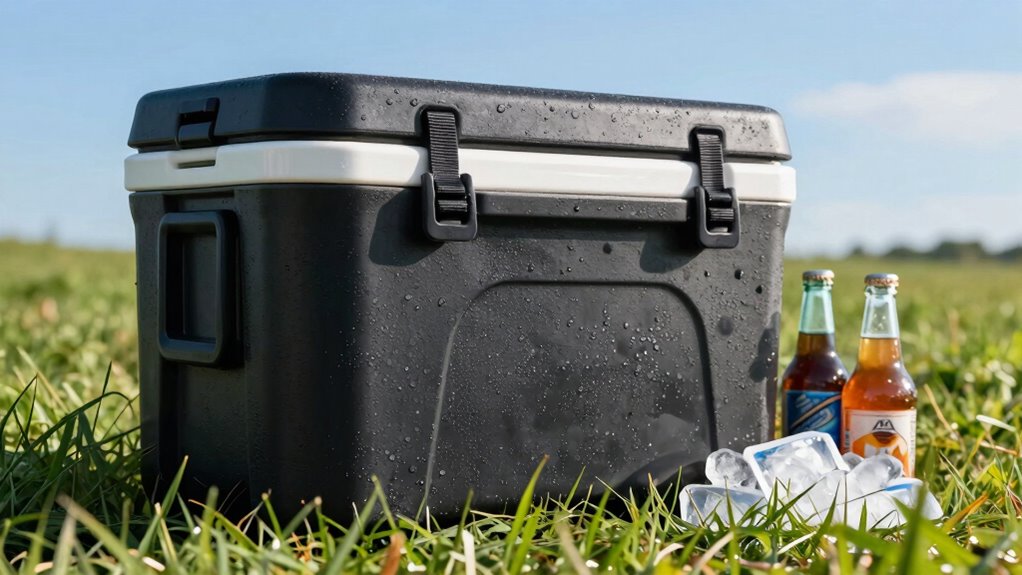

To keep cold holding reliable during long outdoor events, guarantee you use outdoor-rated refrigeration units placed in shaded, ventilated areas away from heat sources. Regularly check and monitor temperatures with real-time alerts, and fix any insulation issues promptly. Have a backup power source ready, like generators or batteries, and train staff on quick response protocols if temperatures rise. Staying vigilant and prepared helps prevent food safety issues—continue to explore ways to master consistent cold holding.

Get kitchen staples and gadgets delivered free with Prime
- Fast, free delivery on millions of items
- Prime Video, Amazon Music and more included
- Member-only deals all year
Key Takeaways
- Regularly monitor and record temperatures to detect and address fluctuations promptly.
- Use outdoor-rated refrigeration units with advanced insulation and proper placement for optimal cooling.
- Implement a reliable power backup system and test it before the event to prevent outages.
- Train staff to recognize temperature issues and respond quickly with emergency protocols.
- Keep spare fuel, batteries, and emergency supplies accessible for rapid response during power failures.
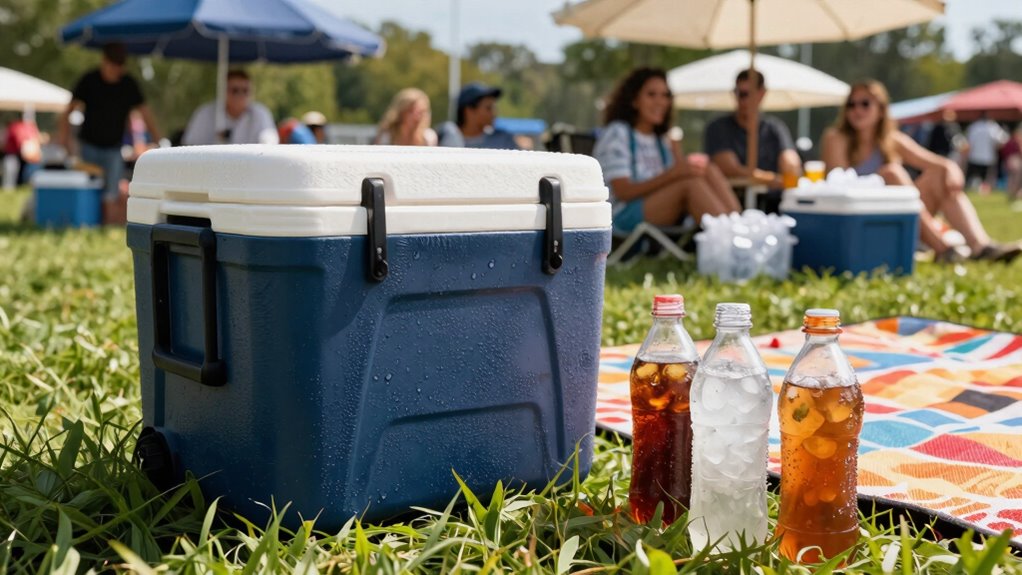
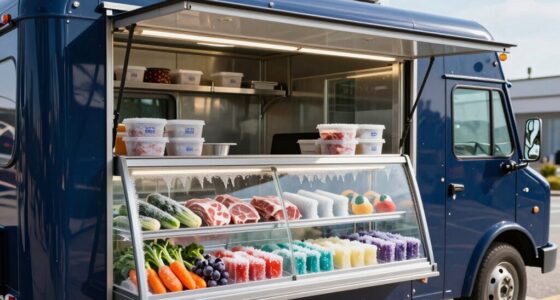
When you’re hosting a long outdoor event, maintaining reliable cold holding is essential to keep your food fresh and safe. One of the biggest challenges you’ll face is managing temperature fluctuations that can occur due to changing weather conditions or equipment inconsistencies. These fluctuations can compromise food safety, so it’s crucial to monitor your cooling systems closely. To prevent this, invest in high-quality refrigeration units designed for outdoor use, which are better equipped to handle temperature swings. Regularly check the temperature gauges to guarantee they stay within safe ranges, ideally below 41°F (5°C) for perishable foods. If the temperature begins to drift upward, it’s a sign that your cooling system might be struggling, and you need to take immediate action.
Ensure reliable cold storage by using outdoor-rated refrigeration units and monitoring temperatures regularly below 41°F (5°C).
Power backup is another essential component in maintaining cold holding reliability. Outdoor events often rely on generators or portable power sources, which can sometimes fail or experience interruptions. Without a backup power plan, a sudden outage could cause your refrigeration units to shut down, risking food spoilage and potential health hazards. To mitigate this, make sure you have a dependable power backup system in place, such as a generator that can handle the load of your refrigeration equipment. Test it beforehand to confirm it works properly under load, and keep spare fuel or batteries ready, depending on your backup setup. Having a contingency plan guarantees that even if the main power source fails, your cold storage remains operational. Additionally, outdoor refrigeration units are specifically designed to withstand the environmental challenges of outdoor settings, making them a reliable choice for long events. Proper placement and ventilation techniques can further improve their efficiency and longevity. Implementing temperature monitoring technology can also provide real-time alerts, allowing you to respond swiftly to any issues before they escalate. Moreover, selecting units with advanced insulation technology can help maintain consistent temperatures even during unexpected weather changes.
Furthermore, selecting units with advanced insulation technology can significantly enhance temperature stability and energy efficiency during extended outdoor use. Additionally, position your refrigeration units strategically to minimize exposure to direct sunlight and heat sources. Shade the units when possible and ensure proper ventilation to help them operate efficiently. Regularly inspecting for signs of insulation damage or frost buildup can also prevent temperature inconsistencies. If you notice any issues with the units, address them immediately—delays could lead to temperature fluctuations that jeopardize your food safety.
Finally, plan for rapid response during emergencies. Keep thermometers accessible for quick checks, and train staff to recognize signs of temperature failure. Having a protocol in place for quick action—like moving food to alternate cooling stations or utilizing ice packs—can save your food from spoilage. By combining effective equipment, a solid power backup plan, and vigilant monitoring, you’ll guarantee your cold holding remains dependable throughout the long hours of your outdoor event, keeping guests safe and your reputation intact.
outdoor refrigerated cooler with temperature monitor
As an affiliate, we earn on qualifying purchases.
As an affiliate, we earn on qualifying purchases.
Frequently Asked Questions
What Are the Best Insulation Materials for Cold Holding?
You should choose insulation materials like polyurethane foam, polystyrene, or reflective foils for cold holding. These materials offer excellent insulation durability, ensuring they last through long outdoor events. Make sure the insulation is compatible with your container’s material to prevent damage or leaks. Properly sealed and layered, these materials maintain cold temperatures effectively, keeping your contents cold and reliable throughout extended periods outdoors.
How Often Should Ice Be Replenished During the Event?
Think of ice as the heartbeat of your cold storage—keeping things fresh requires steady rhythm. You should replenish ice every 4 to 6 hours, depending on ambient temperatures and insulation quality. Regular replenishment schedules extend ice longevity, ensuring your perishables stay chilled without interruption. Keep a close eye on your ice levels, and don’t hesitate to add more early, so your event remains cool and successful from start to finish.
Can Refrigeration Units Be Used Effectively Outdoors?
Refrigeration units can be effective outdoors if they have a weatherproof design and portable power options. Look for units built to withstand outdoor elements, like rain and dust, to guarantee reliable operation. Use portable power sources such as generators or batteries to keep the unit running smoothly during long events. Proper insulation and placement in shaded areas also help maintain consistent cold temperatures, making outdoor refrigeration more dependable.
What Temperature Range Is Ideal for Cold Holding?
Think of the ideal temperature range as the Goldilocks zone—just right for safety and quality. Keep your cold holding between 35°F and 38°F, ensuring proper temperature monitoring. Train your staff to understand the importance of maintaining this range, regularly checking thermometers, and adjusting refrigeration units as needed. Staying vigilant prevents foodborne illnesses and preserves the freshness of your offerings, making your outdoor event successful and safe.
How to Prevent Contamination in Cold Holding Units?
To prevent contamination in cold holding units, you should regularly clean and sanitize all surfaces and equipment, ensuring food safety. Keep the units at the proper temperature, ideally between 32°F and 40°F, to inhibit bacterial growth. Always use clean utensils and gloves when handling food, and cover items tightly to avoid cross-contamination. Consistent monitoring and proper hygiene are essential for contamination prevention, keeping your food safe for guests.
portable outdoor refrigeration unit with insulation
As an affiliate, we earn on qualifying purchases.
As an affiliate, we earn on qualifying purchases.
Conclusion
Keep your cold holding system humming like a well-oiled machine, even when the sun beats down and time stretches on. Think of your cooler as a fortress of freshness, guarding your perishables with unwavering resolve. By following these tips, you’ll turn your outdoor event into a symphony of chilled perfection, where every bite stays cool, crisp, and delightful. Stay vigilant, stay cool, and let your event’s refreshment be the star of the show!
generator for outdoor food storage
As an affiliate, we earn on qualifying purchases.
As an affiliate, we earn on qualifying purchases.
temperature alert system for food storage
As an affiliate, we earn on qualifying purchases.
As an affiliate, we earn on qualifying purchases.
Fall Picks
fall essentials
As an affiliate, we earn on qualifying purchases.