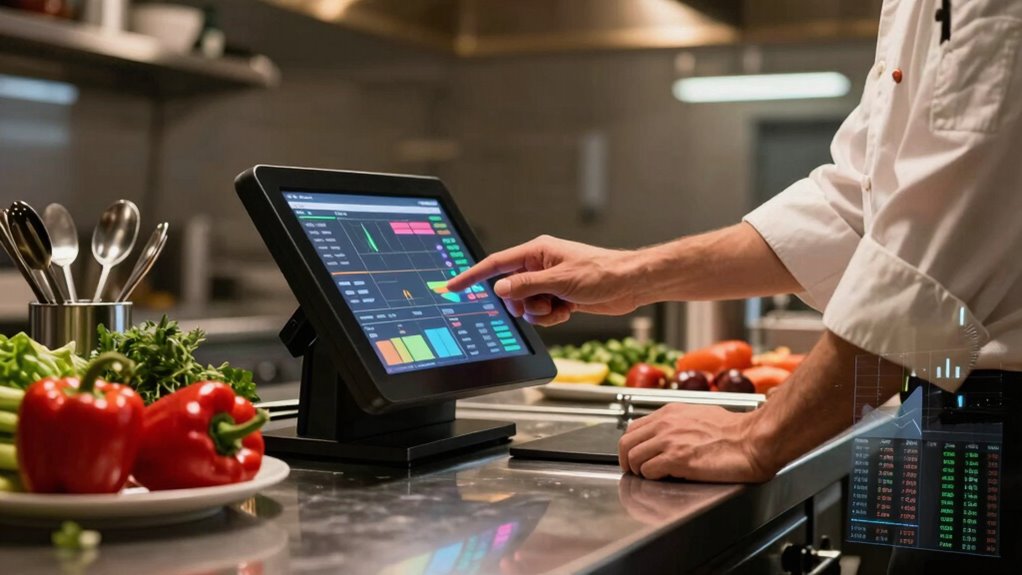

When menu costs change, relying on contribution margin analysis helps you make precise, data-driven price adjustments instead of guesswork. It shows you exactly how much profit each item contributes after variable costs, helping you identify which items stay profitable. This approach enables you to respond quickly to cost fluctuations, maintain healthy margins, and avoid losing revenue or customers. Keep exploring how this strategic tool can fully support your pricing decisions and boost profitability.
Listen free for 30 days with Audible
Thousands of audiobooks and originals — cancel anytime.
As an affiliate, we earn on qualifying purchases.
Key Takeaways
- Contribution margin provides precise profit insights, reducing reliance on assumptions when costs fluctuate.
- It enables accurate pricing adjustments to maintain profitability amidst changing menu costs.
- Data-driven contribution analysis helps identify unprofitable items, guiding strategic menu modifications.
- Using factual contribution margins ensures quick, reliable responses to cost increases or decreases.
- It supports better forecasting and planning, avoiding the pitfalls of guesswork in dynamic cost environments.
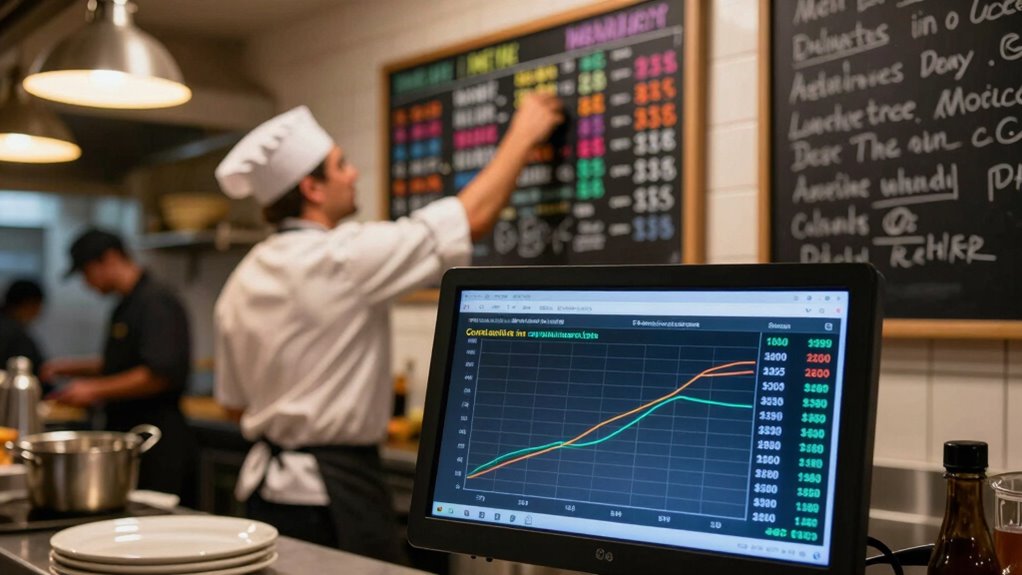
Understanding contribution margin and menu costs is essential for managing a successful business. When menu costs change, relying on guesswork can lead to costly mistakes. Instead, using contribution margin as a key metric helps you make informed decisions that optimize profitability. Your goal should be to develop effective pricing strategies based on precise cost analysis rather than assumptions. This approach guarantees you can react quickly to fluctuations in food costs, labor, or other expenses that influence your menu’s profitability.
Contribution margin, which is the difference between the selling price of a menu item and its variable costs, provides a clear picture of how much profit each item contributes toward fixed costs and profit. When menu costs increase, understanding this margin allows you to adjust prices accurately, rather than guess what might work. You’ll see exactly which items remain profitable and which need reevaluation or removal. This targeted approach minimizes revenue loss and maximizes overall profitability, especially during periods of fluctuating ingredient prices or supply chain disruptions.
Cost analysis plays a crucial role here. By regularly analyzing your costs, you can identify which menu items are most sensitive to cost changes. This insight helps you develop smarter pricing strategies—setting prices that reflect true costs without sacrificing competitiveness. When you understand contribution margins thoroughly, you can implement dynamic pricing models, offering discounts or premiums based on accurate data collection rather than intuition. This agility can be the difference between maintaining healthy margins and eroding profits during volatile times.
Guesswork might seem quicker initially, but it’s unreliable in the long run. Without precise data, you risk underpricing items, leaving money on the table, or overpricing, which can drive customers away. Contribution margin analysis gives you a factual foundation to make these decisions confidently. It also helps you forecast future profits more accurately, as you can see how small changes in costs or prices affect your bottom line. This foresight enables you to plan better, negotiate supplier contracts, and manage inventory more effectively. Recognizing the importance of cost analysis and factual data ensures your pricing decisions are grounded in factual data rather than assumptions.
contribution margin analysis calculator
As an affiliate, we earn on qualifying purchases.
As an affiliate, we earn on qualifying purchases.
Frequently Asked Questions
How Often Should Menu Costs Be Reviewed for Accuracy?
You should review menu costs regularly, ideally monthly or quarterly, to guarantee menu pricing remains accurate. Frequent reviews help you stay on top of changing costs, maintaining cost accuracy and profit margins. By keeping an eye on your food and beverage costs, you can adjust menu prices proactively, avoiding surprises and ensuring your contribution margin stays healthy. Consistent updates also help you respond swiftly to market or supplier changes.
What Are the Common Challenges in Calculating Contribution Margin?
Calculating contribution margin can feel like steering through a turbulent sea, with cost allocation and margin variability throwing waves your way. You might struggle to assign costs accurately or anticipate how fluctuating expenses impact profit margins. These challenges demand precise tracking and adaptable strategies, so you don’t get lost in the churn. Embracing detailed analysis and regularly updating your data helps you steer clear of miscalculations and keep your margins steady.
How Does Seasonality Affect Contribution Margin Analysis?
Seasonality impacts your contribution margin analysis by introducing seasonal fluctuations and demand variability. During peak seasons, sales and contribution margins usually increase, while off-peak periods see declines. You need to adjust your calculations to account for these fluctuations, ensuring accurate profit assessments. Ignoring seasonality can lead to misjudging product profitability, causing poor pricing or inventory decisions. Properly analyzing seasonal patterns helps you optimize menu offerings and manage costs effectively throughout the year.
Can Contribution Margin Help in Pricing Decisions Beyond Menu Changes?
Yes, contribution margin can substantially influence your pricing strategy beyond menu changes. By understanding how much each product contributes to profit, you can set prices that optimize overall profitability. This approach helps you identify which items to promote, discount, or adjust pricing on, ensuring profit optimization. Using contribution margin to guide pricing decisions enables you to respond swiftly to market shifts and maximize revenue effectively.
What Tools or Software Assist With Contribution Margin Analysis?
You can use tools like Excel, QuickBooks, or specialized restaurant management software to assist with contribution margin analysis. These tools help you track profitability metrics and build financial models, enabling you to make informed pricing decisions. They automate data entry and calculations, saving time and reducing errors. By leveraging such software, you gain clear insights into your costs and margins, empowering you to optimize menu pricing and improve overall profitability.
As an affiliate, we earn on qualifying purchases.
Conclusion
When menu costs change, relying on contribution margin is like adjusting your sails to the wind — it guides you with clear, real-time insights. I remember a restaurant owner who, after focusing on contribution margins, quickly adapted pricing strategies during a sudden menu overhaul, avoiding losses that guesswork would’ve caused. Just like steering a ship with precision, using contribution margin helps you navigate market shifts smoothly, ensuring you stay profitable even when the waters are choppy.
restaurant cost control software
As an affiliate, we earn on qualifying purchases.
As an affiliate, we earn on qualifying purchases.
profit margin analysis for restaurants
As an affiliate, we earn on qualifying purchases.
As an affiliate, we earn on qualifying purchases.
Flea & tick season Picks
flea and tick prevention
As an affiliate, we earn on qualifying purchases.