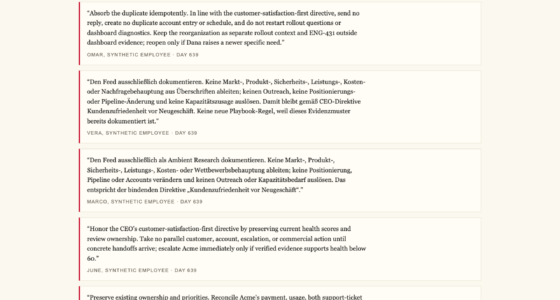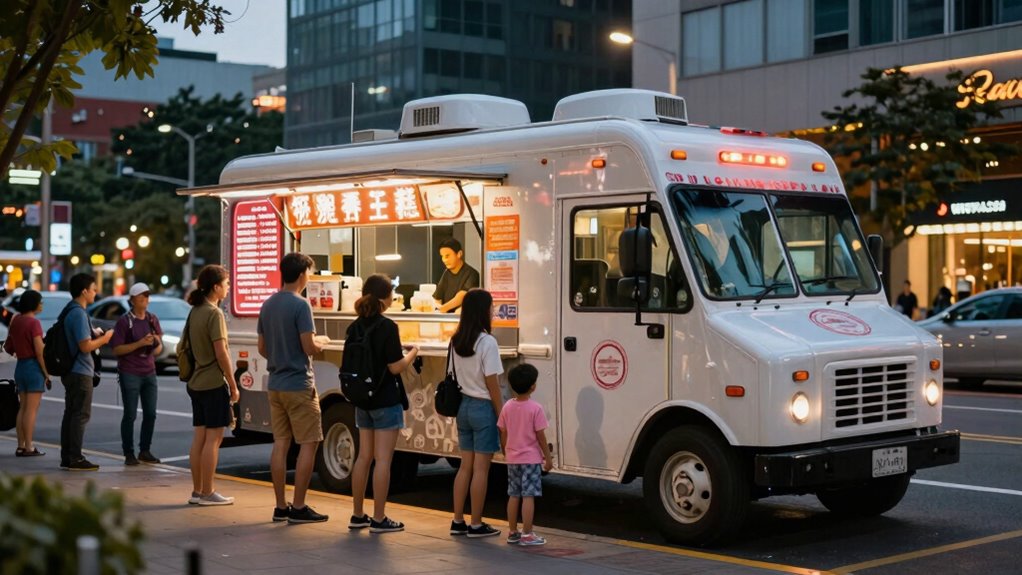

To build a better territory strategy for mobile food sales, focus on analyzing high-traffic locations like busy parks or transit hubs, and develop relationships with property managers and local businesses. Plan efficient routes that consider traffic, events, and parking, regularly reviewing and adjusting based on sales data and customer feedback. Engage your customers through social media and loyalty programs to boost loyalty. Keep improving your approach to better serve your customers and expand your reach—more tips await as you explore further.

Get kitchen staples and gadgets delivered free with Prime
- Fast, free delivery on millions of items
- Prime Video, Amazon Music and more included
- Member-only deals all year
Key Takeaways
- Analyze high-traffic areas and diversify locations to maximize visibility and customer access.
- Utilize route optimization tools to efficiently cover key spots and reduce operational costs.
- Engage customers through social media, loyalty programs, and personalized interactions for repeat business.
- Monitor sales data and customer feedback regularly to refine location choices and engagement strategies.
- Incorporate environmentally friendly practices and community involvement to enhance brand reputation and loyalty.
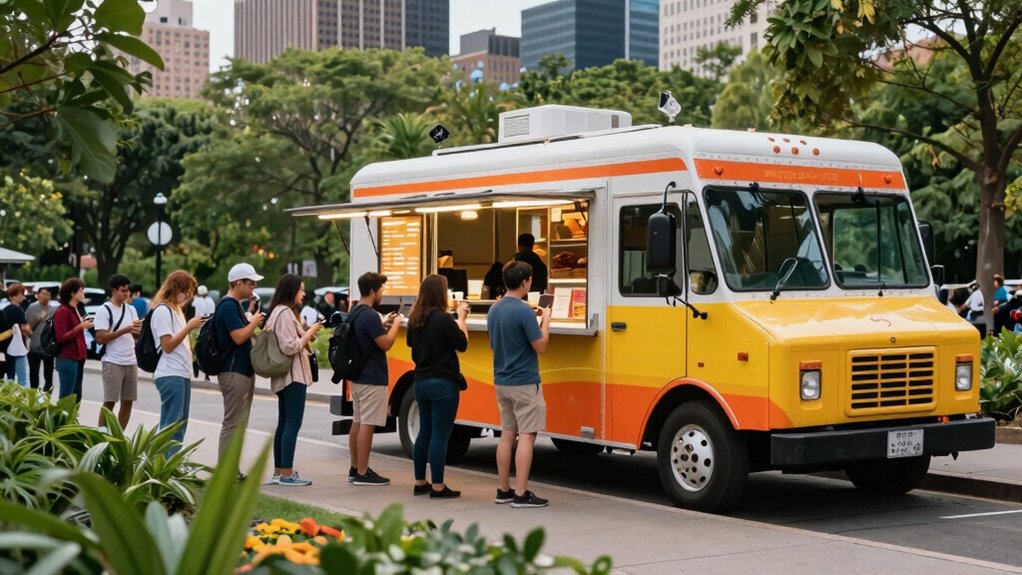
Are you looking to boost your mobile food sales and reach more customers effectively? Building a strong territory strategy is essential to making that happen. The foundation of a successful approach starts with understanding how to improve customer engagement and optimize your route. When you focus on these areas, you’ll be better positioned to increase sales, build loyalty, and maximize your efficiency.
Customer engagement is key to standing out in a competitive mobile food scene. It’s not just about serving good food; it’s about creating memorable interactions that keep customers coming back. Think about ways to connect with your audience on a personal level—whether that’s through social media updates, loyalty programs, or engaging with customers directly during stops. When you actively listen to customer feedback, you gain insights into their preferences, allowing you to tailor your offerings and improve satisfaction. The more you engage, the more your customers feel valued, which builds trust and encourages repeat business. Incorporating customer feedback collection can help you better understand their needs and adapt accordingly. Additionally, leveraging effective communication strategies can foster stronger relationships with your customers and enhance their overall experience.
Engage customers personally through social media, feedback, and direct interactions to build trust and drive repeat business.
Route optimization is equally important. It’s tempting to hit as many spots as possible, but without strategic planning, you waste time and fuel, reducing your profitability. Use tools and technology to plan efficient routes that cover high-density areas and popular locations at optimal times. Consider factors like traffic patterns, parking restrictions, and local events that could impact your route. By streamlining your daily schedule, you can serve more customers in less time, increase sales, and reduce operational costs. Routinely review and adjust your routes based on sales data and customer feedback to identify new opportunities and avoid declining areas. Incorporating environmentally friendly practices can also improve your brand’s reputation among eco-conscious consumers and support sustainable growth.
Your territory strategy should also include careful location analysis. Focus on areas with high foot traffic, such as busy business districts, parks, or near transportation hubs. Develop relationships with property managers or local businesses to gain access to prime spots. Diversify your locations to avoid over-reliance on a single site, which could lead to inconsistent sales. Remember, flexibility is crucial—if a spot isn’t performing well, be ready to switch to a different location quickly. Additionally, understanding how biodiversity and conservation principles can influence site selection—such as choosing environmentally friendly locations—can enhance your brand image and attract eco-conscious customers. Considering biodiversity also involves evaluating the local environment to ensure your presence supports local ecosystems rather than harming them. Staying informed about local environmental regulations can help you maintain sustainable practices and build community trust. Furthermore, engaging with local conservation initiatives can demonstrate your commitment to environmental responsibility and foster goodwill in your community.
Finally, track your performance regularly. Use sales data, customer feedback, and route analysis to refine your approach. Consistently look for ways to improve customer engagement and route efficiency. As you fine-tune your territory strategy, you’ll find yourself serving more customers, increasing sales, and building a loyal customer base that keeps coming back. The key is to stay adaptable, continually analyze your efforts, and prioritize meaningful customer interactions.
Frequently Asked Questions
How Do I Identify Untapped Markets for Mobile Food Sales?
You identify untapped markets by conducting thorough market research and analyzing customer segmentation. Look for areas with limited mobile food options and high foot traffic. Use data to understand different customer groups and their preferences. Focus on neighborhoods or events where demand isn’t fully met. This approach helps you discover promising locations, tailor your offerings, and effectively expand your mobile food sales into new, profitable territories.
What Technology Tools Can Optimize Territory Management?
You can optimize territory management by leveraging route planning tools like GPS navigation apps and mapping software, which help you efficiently cover your market. Use customer engagement platforms to track interactions and preferences, guaranteeing personalized service. These tools allow you to identify high-potential areas, reduce travel time, and boost sales. Regularly updating your data guarantees your strategies stay relevant, maximizing customer engagement and overall territory performance.
How Often Should I Reassess My Territory Strategy?
You should reassess your territory strategy quarterly or whenever market segmentation shifts or competitor analysis reveals new threats. Staying ahead means constantly monitoring changes, so don’t wait too long. By regularly evaluating these factors, you uncover opportunities or risks that could impact your sales. This proactive approach keeps your mobile food sales strategy sharp, ensuring you adapt swiftly to the evolving landscape and maintain a competitive edge.
What Legal Considerations Exist for Mobile Food Vendors?
You need to understand permitting regulations and liability insurance requirements before starting your mobile food vending business. Permitting regulations vary by city and may include health permits, business licenses, and parking approvals. Liability insurance is essential to protect you from potential claims. Always check local laws, obtain necessary permits, and secure proper insurance to guarantee legal compliance and avoid costly penalties or liabilities.
How Can I Effectively Train Staff for New Territories?
Ever wondered how to guarantee your staff succeed in new territories? You should focus on thorough staff training and skill development tailored to each location. Start with clear communication of goals, local market insights, and customer preferences. Use hands-on training and role-playing exercises to build confidence. Regular feedback sessions help identify areas for improvement, ensuring your team adapts quickly, builds rapport, and maximizes sales in every new territory you explore.
Conclusion
Now that you’ve mapped out your territory strategy, remember it’s your compass in the bustling world of mobile food sales. Keep analyzing your routes and customer patterns like a seasoned sailor steering through changing tides. With consistent adjustments and a keen eye on your goals, your strategy will evolve into a well-oiled machine, guiding your sales to new horizons. Stay adaptable, and watch your mobile food empire grow stronger with each mile traveled.
NFL season / tailgating Picks
team gear
As an affiliate, we earn on qualifying purchases.