
TL;DR
Outdoor propane grills heat quickly, offer precise temperature control, and are easier to clean than charcoal. Picking the right one depends on size, features, and safety—this guide covers all you need to know.
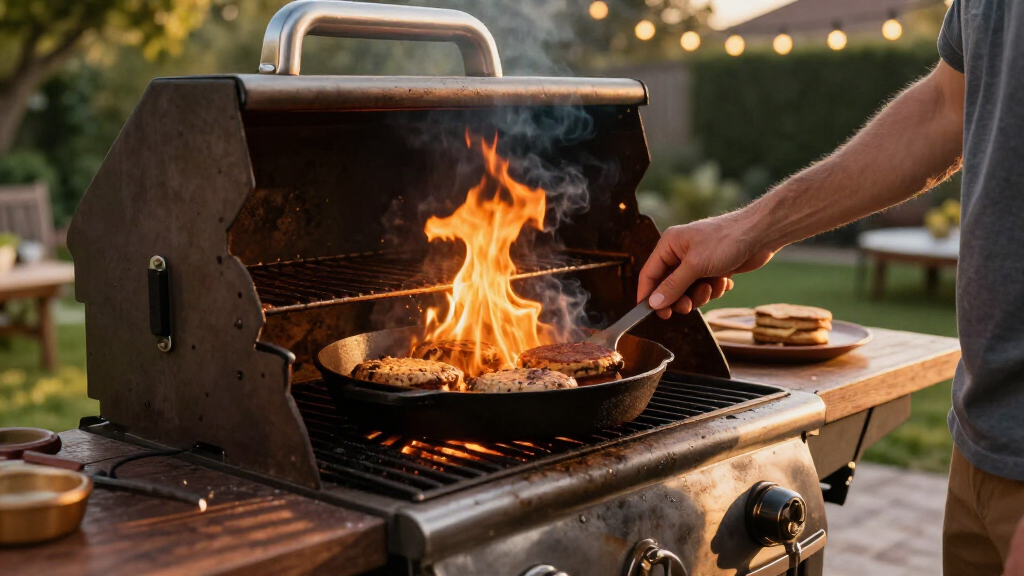
Nothing beats the sizzle, aroma, and crackle of a well-cooked burger on a warm summer evening. If you’re serious about grilling, a propane grill offers unmatched convenience and control. It heats up fast, cooks evenly, and makes cleanup easier than ever.
But with so many models and features, how do you pick the best one? And what safety tips should every owner follow? This guide walks you through everything—how they work, what to look for, and how to get the most out of your outdoor cooking setup. Ready to turn your backyard into a grilling paradise? Let’s dive in.
What Makes a Good Outdoor Propane Grill? Key Features Explained
Choosing a great propane grill isn’t just about size or looks. It’s about understanding the core features that deliver consistent, flavorful results. Think of a grill as a tool—your ability to control heat, manage grease, and withstand weather determines your success.
Most grills feature a cooking area ranging from 300 to over 700 square inches. For a family of four, a 450–500 sq. inch model provides enough space for burgers, veggies, and steaks without crowding. Larger models are perfect for parties or bigger families.
Burner configuration is equally critical. Multiple independent burners allow for two-zone cooking—direct heat for searing, indirect for slow roasting. For example, a popular model might feature four burners with individual knobs, giving you full control over heat zones.
Heat performance isn’t just about BTUs. A grill with 40,000 BTUs can sound powerful, but if heat isn’t evenly distributed or retained, your steaks might burn on one side and be undercooked on the other. Good construction, lid design, and burner placement matter more than raw BTU numbers.
Durability counts, too. Stainless steel resists corrosion, especially in salty or humid environments. Porcelain-coated cast iron grates hold heat well but need regular cleaning to prevent rust. Think of it like choosing a good pair of shoes—you want something that can handle a lot of walking (or grilling) without falling apart.
Temperature range is another must-have. You want a grill that reaches at least 500°F for searing steaks. Plus, it should hold a steady low temp for slow cooks or smoking. An accurate built-in thermometer helps keep your cooking on point.
And don’t forget ignition. Electronic starters are convenient, but it’s wise to learn how to light the grill manually in case of power failure. Think of it as having a backup plan—just in case.
Understanding these features and their tradeoffs helps you select a grill that matches your cooking style and local conditions. For instance, a higher BTU rating might seem appealing, but if your climate is windy, a well-insulated lid and good heat retention become more critical than raw power. Similarly, choosing durable materials can mean higher upfront costs but less maintenance and replacement over time.
As an affiliate, we earn on qualifying purchases.
Safety First: How to Use Your Propane Grill Without a Fire Alarm
Propane grills are fantastic, but safety is non-negotiable. Always use your grill outdoors in a well-ventilated space—never inside a garage, tent, or enclosed porch. Propane emits carbon monoxide, which can be deadly in confined spaces.
Before igniting, inspect hoses, regulators, and connections for cracks, leaks, or damage. A simple trick: spray soapy water on the connections; bubbles mean a leak. Never test leaks with a flame—only soapy water.
Open the lid before lighting to prevent gas buildup. If the ignition fails, turn everything off, wait a few minutes for gas to dissipate, then try again. Keep cylinders upright and in the shade, away from direct sunlight or heat sources.
After cooking, turn off both the burners and the propane tank valve. Store the tank in a cool, upright position outside, never inside your house or garage. Regular maintenance and cautious handling keep your grilling safe and enjoyable.
Remember: a damaged or rusty tank isn’t just inefficient—it’s dangerous. When in doubt, replace or repair before next use. Your safety depends on it.
To enhance safety, consider installing a gas leak detector near your grill and keeping a fire extinguisher nearby. Regularly scheduled inspections and proper storage practices also reduce risk. Never leave your grill unattended while in use, and always ensure the area around your grill is clear of combustible materials.
stainless steel propane grill with multiple burners
As an affiliate, we earn on qualifying purchases.
As an affiliate, we earn on qualifying purchases.
Understanding the Impact of Weather Conditions on Your Grill
Weather conditions can significantly influence your grilling experience. Wind, rain, and temperature fluctuations all affect how your grill performs and how safe it remains during use.
Wind is particularly tricky—it can blow out the flame or cause uneven heat distribution. Using a windbreak or positioning your grill in a sheltered spot can mitigate this problem. It also helps conserve fuel and prevents flare-ups caused by gusts.
Rain and moisture can lead to rust and corrosion if your grill isn’t properly covered or stored. Investing in a quality weatherproof cover and storing your grill in a dry place prolongs its lifespan and maintains performance.
Temperature fluctuations impact fuel efficiency and cooking times. Cold weather can reduce the temperature inside the grill, requiring longer cooking times or higher heat settings. Conversely, hot weather can sometimes cause your grill to overheat if not properly managed. Adjust your cooking strategy accordingly, and always monitor your grill’s temperature with an accurate built-in thermometer.
Understanding how weather influences your grill helps you plan better, ensuring safety and consistent results regardless of outdoor conditions. It also emphasizes the importance of proper storage and maintenance to prevent weather-related damage.
Tradeoffs include the need for additional accessories like wind shields or covers, which may add to your initial investment but pay off in durability and performance. Recognizing these factors helps you select a grill suited for your climate, avoiding frustration and ensuring delicious, safe cooks every time.
large backyard propane grill 500 sq inches
As an affiliate, we earn on qualifying purchases.
As an affiliate, we earn on qualifying purchases.
Frequently Asked Questions
How long does a propane tank last during typical grilling?
A 20-pound propane tank, holding about 4.7 gallons, can last roughly 10 hours at high heat. Actual runtime depends on your grill’s BTUs and how hot you cook.Can I leave the propane cylinder connected all the time?
Yes, if your grill is outdoors, the cylinder is upright, and the valve is closed when not in use. Never store a connected cylinder inside or in enclosed spaces.How do I check how much propane is left in my tank?
Weigh the tank and subtract the tare weight. External gauges or warm-water tests are estimates but less precise. Always keep a spare tank ready.Why isn’t my grill reaching high temperatures?
Common causes include a nearly empty tank, clogged burners, or regulator issues. Check connections, clean burners, and replace faulty parts if necessary.Are flare-ups dangerous and how do I prevent them?
Brief flare-ups are normal, but sustained flames can char food or ignite grease. Move food away from flames, reduce heat, and clean grease traps regularly.propane grill with built-in thermometer
As an affiliate, we earn on qualifying purchases.
As an affiliate, we earn on qualifying purchases.
Conclusion
Your best backyard cookout starts with the right propane grill—one that offers control, safety, and durability. Think of it as your partner in creating delicious memories, whether it’s a quick weeknight burger or a weekend feast.
Remember, safety and maintenance are just as important as the features. Treat your grill well, and it will reward you with years of perfect bites. Now, fire it up and enjoy the sizzle—your backyard masterpiece awaits.