🔍 Read the full analysis: Pumpkin Arrives: Tortelli Di Zucca, Mantua's Sweet-Savory Signature on Mad Tasting

Get kitchen staples and gadgets delivered free with Prime
- Fast, free delivery on millions of items
- Prime Video, Amazon Music and more included
- Member-only deals all year
TL;DR
Tortelli di zucca are Mantuan stuffed pasta parcels traditionally filled with pumpkin, crumbled amaretti, mostarda and cheese. The dish is served in autumn and winter and is especially associated with Christmas Eve; recipes vary between households and restaurants.
Tortelli di zucca, Mantua’s pumpkin-filled pasta, combines sweet pumpkin and amaretti with savory cheese and the pungent fruit-and-mustard flavor of Mantuan mostarda. The seasonal food guide describes the dish as especially associated with Christmas Eve, though it also appears on menus during autumn and winter, when pumpkin is in season.
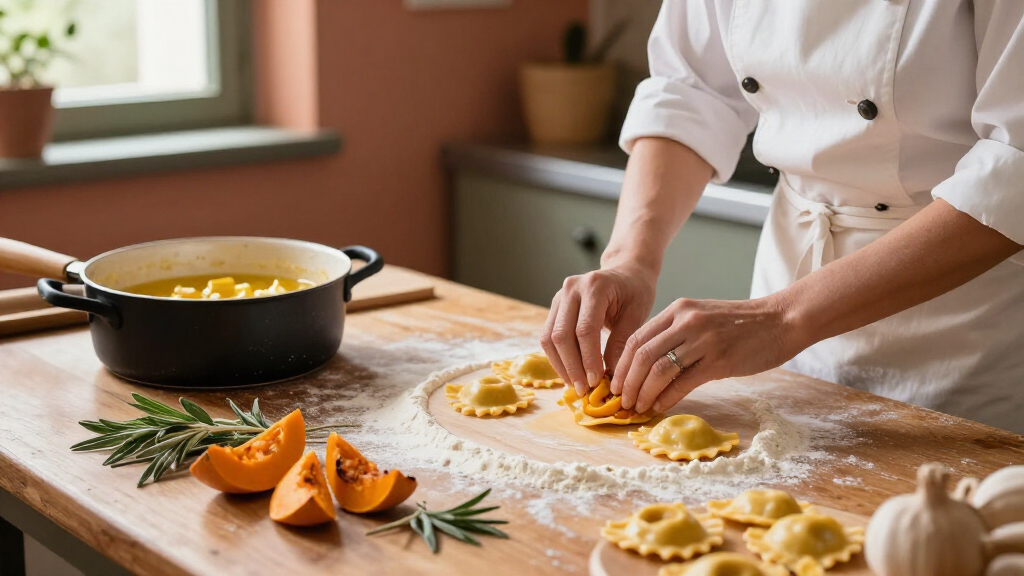
According to the seasonal food guide, the parcels are made from fresh pasta wrapped around a filling usually built from cooked pumpkin, crumbled amaretti, chopped mostarda and grated cheese. The guide attributes the contrast among those ingredients to pumpkin’s soft base, the biscuits’ sweetness, cheese’s savory flavor and mostarda’s sharp aromatic note.
The guide explains that Mantuan mostarda is fruit preserved in syrup and flavored with mustard oil, rather than smooth yellow mustard. Chopped fruit adds texture, while its pungency cuts through the pumpkin’s sweetness. It describes butter and sage as a common dressing that leaves the filling’s sweet, savory and sharp flavors in focus.
The food guide notes that there is no single ratio used in every kitchen. Pumpkin varies in sweetness and moisture, and jars of mostarda differ in fruit and pungency. Families and restaurants adjust the balance, making the interplay of flavors more defining than fixed amounts. It also notes that excess moisture can make filling difficult to handle and parcels harder to seal.
A Distinctive Mantuan Holiday Dish
The seasonal food guide presents the dish as both a seasonal meal and a marker of Mantuan food tradition. It describes autumn pumpkin being used as a fresh-pasta filling and identifies the combination of amaretti, cheese and mustard-flavored fruit as a local hallmark distinct from simpler pumpkin dishes.
The guide highlights the dish’s Christmas Eve association within a festive meal, while noting that it is also found in restaurants and homes through autumn and winter. It explains that the filling is intended to taste layered rather than like a sweet dessert: mostarda’s pungency and cheese’s savory depth counter the pumpkin and biscuit, while butter and sage keep the sauce relatively simple.
pumpkin filled pasta tortelli di zucca
As an affiliate, we earn on qualifying purchases.
As an affiliate, we earn on qualifying purchases.
Pumpkin, Mostarda and Mantuan Tradition
The seasonal food guide places tortelli di zucca within the wider northern Italian tradition of stuffed pasta and associates its combination of pumpkin, amaretti and mostarda particularly with Mantua, in Lombardy. It describes pumpkin as the filling’s body, amaretti as a source of almond aroma and sweetness, cheese as a savory note, and mostarda as a source of fruit and mustard pungency.
The guide links the dish to Gonzaga-era court cuisine and the historical fashion for combining sweet and savory flavors. It presents this as context for the recipe’s unusual mix, not as evidence of a definitive historical formula. The account does not specify when the dish first appeared or document a single original recipe.
The guide also connects the dish’s place on the table to seasonal cooking: pumpkin is associated with cooler months, and the parcels are served during autumn and winter, with Christmas Eve carrying particular significance in local food memory. It describes butter and sage as a simple dressing that keeps the filling in focus.
As an affiliate, we earn on qualifying purchases.
Recipes Differ From Kitchen to Kitchen
The seasonal food guide does not specify standardized proportions for pumpkin, amaretti, mostarda and cheese. It describes variation between families and restaurants, shaped in part by the sweetness and moisture of individual pumpkins and by differences in the fruit and pungency of each mostarda.
The historical link to Gonzaga-era cooking is presented in the guide as an association, not proof of a precise recipe or origin date. The available account identifies no specific restaurant, producer, event or newly announced culinary development, and provides no verified figures on how widely the dish is served.
As an affiliate, we earn on qualifying purchases.
What Diners Can Expect This Season
The seasonal food guide says diners may find tortelli di zucca on autumn and winter menus at Mantuan restaurants, while availability depends on individual kitchens. It suggests looking for a balance of pumpkin sweetness, savory cheese and mostarda’s mustard aroma, rather than one ingredient dominating.
For home cooks, the guide recommends adjusting the filling gradually: combine mashed cooked pumpkin with cheese, then add crumbled amaretti and chopped mostarda a little at a time, tasting as they go. It provides no single recipe or precise quantities, so results depend on the ingredients used. The account also gives no storage temperatures or timelines; cooks should follow safe food-handling guidance for fresh pasta and perishable fillings.
fresh pasta dough for stuffed pasta
As an affiliate, we earn on qualifying purchases.
As an affiliate, we earn on qualifying purchases.
Key Questions
What is tortelli di zucca?
The seasonal food guide describes it as fresh stuffed pasta from Mantua, in Lombardy, filled with pumpkin and commonly made with amaretti, mostarda and cheese.
What does Mantuan mostarda taste like?
According to the food guide, Mantuan mostarda is fruit preserved in syrup and flavored with mustard oil. It contributes sweet fruit, texture and a pungent mustard note; it is not smooth yellow mustard.
Why does the filling combine sweet and savory ingredients?
The food guide explains that pumpkin and amaretti bring sweetness, while cheese adds savory depth and mostarda cuts through the richness with a sharp aromatic flavor. Together, they make the filling taste layered rather than dessert-like.
When is tortelli di zucca usually served?
The seasonal food guide says it is eaten during autumn and winter and is especially associated with Christmas Eve. The account does not give a specific date or formal serving rule.
Is there one standard recipe?
The food guide specifies no single ratio. It says families and restaurants vary the amounts of pumpkin, amaretti, mostarda and cheese according to ingredient sweetness, moisture and pungency.
Source: Mad Tasting
NFL season / tailgating Picks
team gear
As an affiliate, we earn on qualifying purchases.