🔍 Read the full analysis: Sunday Lasagne Verdi: Spinach Sheets And Slow Ragù, Bologna's Pride on Mad Tasting

Get kitchen staples and gadgets delivered free with Prime
- Fast, free delivery on millions of items
- Prime Video, Amazon Music and more included
- Member-only deals all year
TL;DR
Mad Tasting’s guide says lasagne verdi alla Bolognese combines spinach-colored egg pasta with meat-centered ragù, béchamel and Parmigiano Reggiano. It describes the dish as a Sunday meal shaped by the balance of those layers and notes that recipes and proportions vary among households.
Mad Tasting has published a guide to lasagne verdi alla Bolognese, describing the baked pasta as a combination of spinach egg sheets, slow-cooked meat ragù, béchamel and Parmigiano Reggiano. The guide focuses on preparing and balancing those components for a Sunday meal, while stressing that there is no single recipe followed by every household.
According to the Mad Tasting guide, the pasta’s green color comes from spinach mixed into the egg dough, not from a separate spinach filling. The guide recommends draining the spinach thoroughly before adding it, because excess moisture can make dough sticky and difficult to roll. It also advises rolling the sheets evenly, noting that very thick pasta may remain chewy even as the top browns.
The guide describes the ragù as meat-centered, with tomato playing a supporting role. It says a common foundation includes meat, onion, carrot, celery, wine and a measured amount of tomato, while noting that ingredients and proportions vary. In the guide’s account, slow, gentle cooking produces a thick sauce that sits between pasta layers rather than running like broth.
For assembly, Mad Tasting suggests layering pasta with ragù, béchamel and grated cheese, then baking until the center is hot and the top browned. The guide recommends letting the pan rest before cutting so the layers can settle. It also says the ragù can be made ahead, advising cooks to cool it promptly in a shallow container and refrigerate it before the meal.
Sunday Lasagne Verdi Bologna’s layered pride
Mad Tasting’s guide brings together spinach egg pasta, meat ragù, béchamel and Parmigiano Reggiano for a Sunday meal. Household recipes vary, so balance matters more than one fixed formula.
Four layers, one balance
Each component has a distinct role in the finished bake.
Spinach-colored sheets
Spinach colors the egg dough itself and adds a mild earthy note.
Meat leads
Tomato supports the meat, onion, carrot, celery and wine.
Creamy layer
It balances the savory ragù between the pasta sheets.
Parmigiano Reggiano
Grated cheese adds salt and mature flavor.
Make the day manageable
Prepare the slow-cooked element ahead, then assemble and bake for serving.
Simmer gently until thick enough to sit between layers.
Drain spinach well and roll thin, even sheets.
Alternate pasta, ragù, béchamel and grated cheese.
Let the baked layers settle so portions cut more cleanly.
A regional style, many kitchens
The guide describes a tradition, not one mandatory household recipe.
- Spinach in the egg pasta
- Meat-centered ragù
- Béchamel and Parmigiano Reggiano
- Sauce proportions
- Pasta thickness
- Number of layers
Plan ahead with care
The guide recommends cooling make-ahead ragù promptly in a shallow container, refrigerating it and warming it gently before assembly.
How the Layers Shape the Dish
Mad Tasting’s guide emphasizes that the dish depends on balance rather than a single dominant sauce. In its description, ragù supplies savory depth, béchamel adds a creamy layer, and Parmigiano Reggiano contributes salt and a mature flavor. The guide says spinach gives the pasta its color and a mild earthy note without turning the dish into a spinach casserole.
The guide says this balance matters for home cooks because a very tomato-heavy or watery sauce can overwhelm the pasta and make the finished bake loose. Its preparation advice also makes the meal more manageable: doing the slow-cooking in advance leaves less work for the day of serving. Mad Tasting frames the lasagne as food to share at Sunday lunch, rather than presenting one method as a mandatory standard.
Products Worth Considering
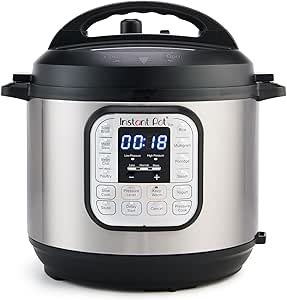
Instant Pot Duo 6-Quart 7-in-1 Electric Pressure Cooker

Vitamix Touch & Go Advance 32-Ounce Bar Blender, White

Vitamix 5200 Professional-Grade Blender
As an affiliate, we earn on qualifying purchases.
A Bologna Style, Not One Recipe
Mad Tasting explains that “verdi” means green, referring to the spinach in the pasta sheets, while “alla Bolognese” identifies the regional style described in the guide. In this version, the main components are fresh egg pasta, meat ragù, béchamel and Parmigiano. The guide says proportions, sheet thickness and layer count can differ from one kitchen to another.
The guide distinguishes this ragù from a sauce in which tomato dominates. It describes tomato as one ingredient among several in a meat-focused preparation, with gentle simmering bringing the flavors together. Mad Tasting presents this as a useful account of the style, not proof of a single recipe shared by all families in Bologna.
Recipes and Timing Vary
The Mad Tasting source does not give a publication date, a named recipe author, or exact ingredient quantities and cooking times. It also does not claim that its preparation method is the only authentic one. The guide acknowledges that family recipes differ, including in sauce proportions, pasta thickness and layer count.
The source is a cooking guide, not a report of a new restaurant opening, official culinary ruling or public event. It gives general food-handling advice for preparing ragù ahead but does not specify refrigeration temperatures or a complete storage timetable. Readers should follow established food-safety guidance and any directions on packaged pasta.
Prepare Ahead, Then Bake
For a Sunday meal, Mad Tasting’s suggested sequence is to cook the ragù ahead, prepare and roll the spinach pasta, make the béchamel, assemble the layers and bake. The guide says the ragù should be cooled promptly in a shallow container and refrigerated, then warmed gently until spreadable. It recommends thin, even pasta sheets and cautions against packing the assembled dish so tightly that the center heats unevenly.
After baking, the guide advises allowing the pan to rest before serving. Mad Tasting does not provide a specific oven temperature, baking duration or dated follow-up, so those details remain dependent on the recipe used and the pasta’s package instructions.
Key Questions
What makes lasagne verdi alla Bolognese green?
According to the Mad Tasting guide, spinach is mixed into the egg pasta dough, coloring the sheets themselves rather than being added as a separate filling.Is Bolognese ragù mainly tomato sauce?
Mad Tasting describes it as a meat-centered sauce in which tomato supports the other ingredients rather than dominating them. The guide notes that household recipes vary.Can the ragù be made ahead?
Yes. The guide recommends making it in advance, cooling it promptly in a shallow container and refrigerating it, then warming it gently before assembly.Why should the lasagne rest after baking?
The guide says resting gives the baked layers time to settle, which can make the lasagne easier to cut and serve without the filling spreading.Is there one definitive Bologna family recipe?
No single universal recipe is identified. Mad Tasting says pasta thickness, sauce proportions and layer count vary among households.Source: Mad Tasting