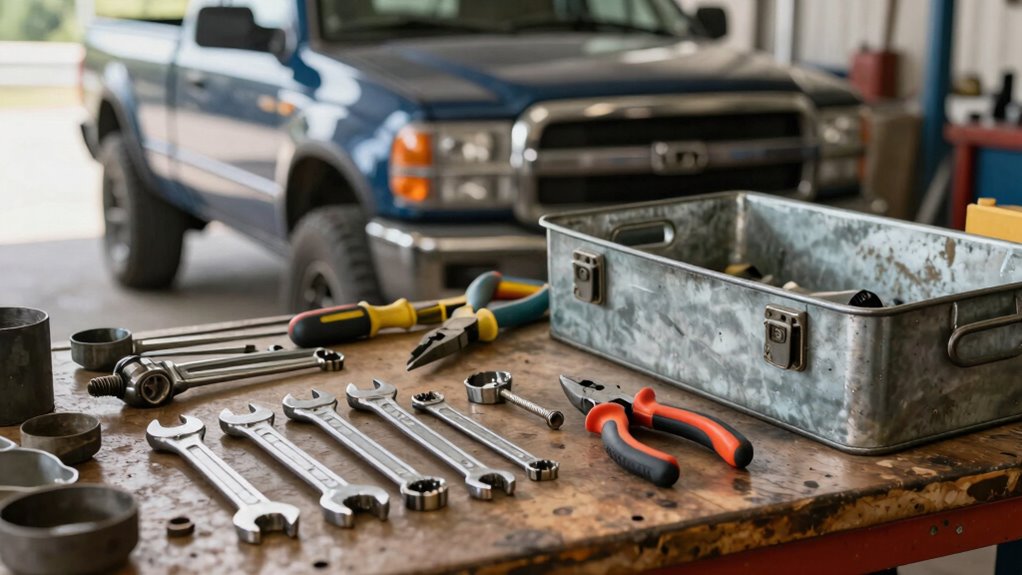

To build a repair reserve before your truck needs it, start by setting aside a consistent amount based on your truck’s age, mileage, and condition. Include regular savings for routine maintenance and use cost forecasting to anticipate future repairs. Treat your reserve like an emergency fund, gradually increasing it to cover major repairs. Stay disciplined with your savings, and you’ll guarantee your truck stays on the road without unexpected expenses throwing you off course. Keep going to learn more tips and strategies.
Key Takeaways
- Set a regular savings plan based on your truck’s age, mileage, and maintenance needs.
- Incorporate proactive maintenance to reduce unexpected repair costs and extend vehicle lifespan.
- Allocate a dedicated emergency fund specifically for major repairs like engine or transmission failures.
- Consistently contribute a portion of income or profits to steadily grow your repair reserve.
- Review repair history and forecast future expenses to determine an appropriate reserve size.
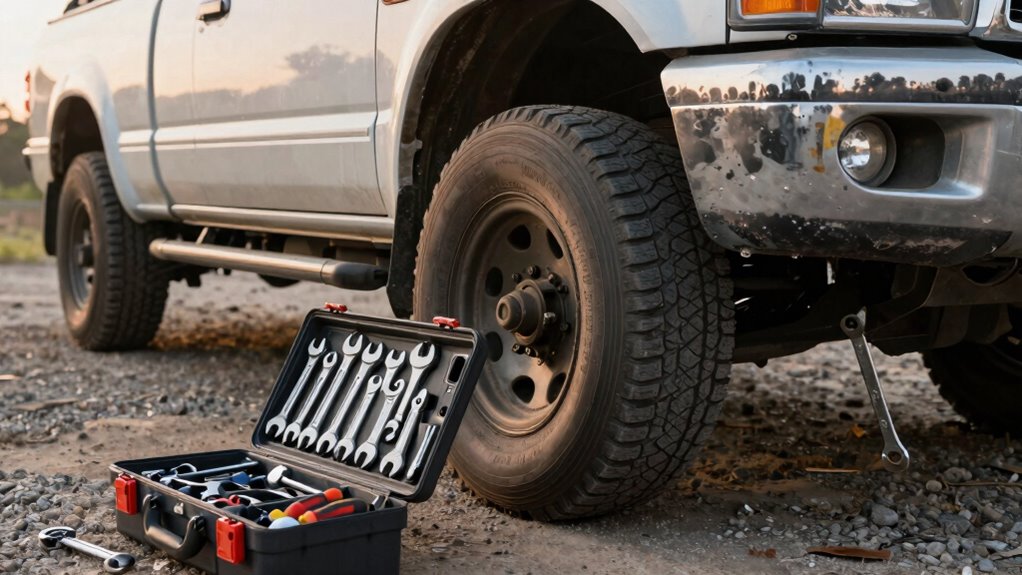
Having a repair reserve for your truck isn’t just a smart move—it’s essential for keeping your vehicle on the road and avoiding unexpected expenses. Building this reserve starts with solid maintenance budgeting. You need to set aside a specific amount regularly, based on your truck’s age, mileage, and overall condition. By doing this, you create a predictable financial plan that covers routine maintenance like oil changes, tire replacements, and brake inspections. This proactive approach reduces the likelihood of major repairs down the line, saving you money and preventing breakdowns. When you include maintenance costs as part of your budget, you’re less likely to be caught off guard by sudden repair needs, and your reserve can grow steadily over time. A well-maintained truck also benefits from preventive maintenance, which can extend its lifespan and reduce repair costs in the long run. Additionally, incorporating cost forecasting techniques can help you better anticipate future repair expenses and adjust your savings accordingly. Regularly reviewing your repair history and maintenance records can further enhance your ability to predict upcoming issues, making your reserve more accurate and effective.
An important aspect of building your repair reserve is emergency fund allocation. Think of your reserve as a dedicated fund you tap into only when necessary. Start small if you need to, but aim to accumulate enough to cover significant repairs—like transmission issues or engine failures—that could otherwise derail your operations. By consistently allocating a portion of your income or profits into this emergency fund, you ensure that when unexpected problems arise, you won’t have to scramble for cash or take out loans. This discipline not only safeguards your finances but also gives you peace of mind, knowing you’re prepared for the worst. Establishing a financial discipline around your savings helps ensure consistent contributions and long-term success. Moreover, understanding the specific types of repairs common to your truck model can help you tailor your reserve more effectively.
As an affiliate, we earn on qualifying purchases.
Frequently Asked Questions
How Much Should I Ideally Save for Truck Repairs?
You should aim to save at least 10% of your truck’s value for repairs, but a common rule is setting aside $1,000 to $2,000 annually. Regular maintenance tips help prevent costly repairs, boosting fuel efficiency and longevity. Keep a dedicated repair reserve fund, and review it periodically based on your truck’s age and usage. This way, you’re prepared for unexpected issues without straining your finances.
When Is the Best Time to Start Building a Repair Reserve?
You should start building your repair reserve the moment you get your truck, not a second later! Think of it as your secret weapon for emergency preparedness. By setting aside funds through maintenance scheduling, you’ll be ready for unexpected breakdowns before they hit you like a ton of bricks. The earlier you start, the better equipped you’ll be to handle surprises and keep your truck running smoothly without panic.
Can I Use a Regular Savings Account for My Repair Fund?
Yes, you can use a regular savings account for your repair fund, but consider it an emergency fund instead. A dedicated savings account helps you keep your repair reserve separate and accessible when needed. While it’s simple, explore investment options like high-yield savings or money market accounts for better growth. This way, your repair reserve stays available for truck repairs while earning some interest, ensuring you’re financially prepared.
What Expenses Should I Include in My Repair Reserve?
You should include maintenance costs, like oil changes, brake repairs, and tire replacements, in your repair reserve. Also, account for expenses not fully covered by insurance, such as deductibles or repairs exceeding coverage limits. By tracking these expenses, you guarantee you’re financially prepared when unexpected issues arise, preventing costly delays or breakdowns. A well-funded reserve helps keep your truck running smoothly without stressing your finances.
How Often Should I Review and Adjust My Repair Savings Plan?
They say “a stitch in time saves nine,” so you should review your repair savings plan quarterly. Regular maintenance scheduling helps you identify upcoming expenses early, while routine reviews guarantee you’re prepared for emergencies. Adjust your reserve based on truck usage, age, and repair costs. Staying proactive keeps your fleet running smoothly, avoiding unexpected breakdowns and costly repairs, and assures your savings match your actual maintenance needs.
As an affiliate, we earn on qualifying purchases.
Conclusion
By setting aside a repair reserve, you’re like a skilled captain steering your truck through rough waters—prepared for anything that comes your way. It might seem small now, but it can save you from big headaches down the road. Keep a dedicated fund, stay consistent, and you’ll keep your truck running smoothly without surprises. Think of it as peace of mind in your pocket—ready to handle whatever road throws at you.
truck repair reserve savings planner
As an affiliate, we earn on qualifying purchases.
As an affiliate, we earn on qualifying purchases.
truck maintenance and repair log book
As an affiliate, we earn on qualifying purchases.
As an affiliate, we earn on qualifying purchases.