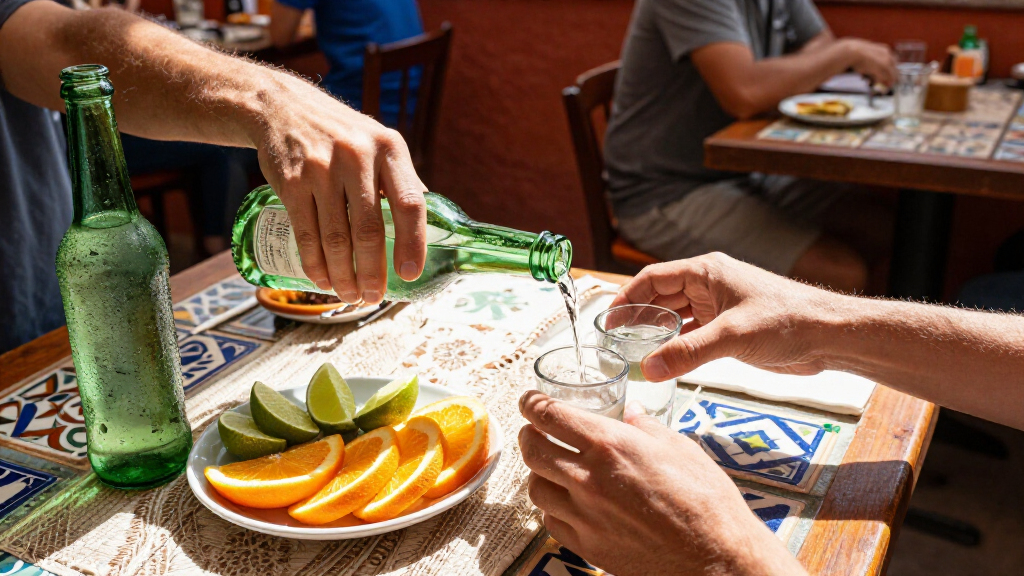

TL;DR
VinePair published a guide to 10 Mexican-made bottles that show the range of the country’s drinks beyond tequila and mezcal. The selections span gin, orange liqueur, aperitivo, sake, rum, whiskey and regional spirits; the report presents recommendations, not a new regulatory or industry announcement.
VinePair has published a guide to 10 bottles made in Mexico that go beyond tequila and mezcal, featuring drinks such as Mexico City gin, Culiacán-brewed sake, Michoacán charanda and an unaged whiskey made from native corn. The report offers readers a selection of producers and styles from across the country; it is a drinks guide, not an announcement of a new product or policy.

Get kitchen staples and gadgets delivered free with Prime
- Fast, free delivery on millions of items
- Prime Video, Amazon Music and more included
- Member-only deals all year
The bottles span several categories, including Condesa Clásica Gin, made in Mexico City, and Alma Finca Orange Liqueur, produced with bitter and sweet oranges, citrus leaves, allspice and achiote from the Yucatán Peninsula. The list also includes Primo Aperitivo, whose ingredients include grapefruit, hibiscus, guajillo chile and cacao, alongside bitter roots and other botanicals sourced around Mexico.
Other selections reflect regional production traditions. NAMI Tokubetsu Junmai is brewed in Culiacán, Sinaloa, and the report says its producers learned the traditional process from a Japanese master brewer. Uruapan Charanda Blanco, from Michoacán, combines estate-grown sugarcane juice with column-distilled molasses. Maíz Nation’s Blanco whiskey is distilled from four native corn varieties sourced from small farmers.
The report also features Alambique Serrano Cartier 30, an Oaxacan rum made with organic Java sugarcane and fresh cane juice, and Parejo Bienvenido Fernández Sotol Cedrosanum, distilled from Dasylirion, a desert plant rather than agave. The supplied source text refers to a 10-bottle list but ends partway through its sotol section, before naming all 10 selections; the remaining entries cannot be verified from the material provided.
A Wider View of Mexican Drinks
The list draws attention to a drinks landscape that can be obscured when Mexico is represented mainly by tequila and mezcal. Its examples range from spirits tied to particular crops and regions to gin, aperitivo and sake, showing how producers work across both local traditions and categories more commonly associated with other countries.
For drinkers and bars, the recommendations offer alternatives for familiar serves and pairings. Bar director Gabe Ford recommends Condesa in classics such as Gimlets, Negronis and Martinis, while chef Johnny Curiel has paired NAMI sake with crudo. These are attributed suggestions from industry professionals, not claims that the bottles are widely available or suited to every market.
Products Worth Considering

Cuisinart Chef's Classic 13-Piece Stainless Steel Cookware Set

Weber Lumin Portable Electric Grill, Black

Traeger Pro 22 Wood Pellet Grill & Smoker
As an affiliate, we earn on qualifying purchases.
Regional Traditions Behind the Bottles
VinePair frames the selections as a way to explore Mexico’s varied drinking culture, including traditional beverages such as pulque and tepache and less familiar spirits such as bacanora, raicilla, sotol and pox. The article’s featured products include both contemporary bottlings and spirits linked to established regional production.
For example, the source describes charanda as a protected Mexican spirit with its own Denomination of Origin, made in Michoacán using sugarcane juice, molasses or piloncillo. It says the Krassel family has distilled aguardiente in Oaxaca since the 1930s and that Alambique Serrano’s high-altitude distillery in Santa María Tlalixtac is reached by a long unpaved road. These details help explain the geographic and production differences among the recommendations without implying that the products represent every Mexican tradition.
“Mexico has some of the most incredible distilling traditions, ingredients, and producers in the world.”
— Gabe Ford, bar director at Modern Bar in Austin, as quoted by VinePair
Availability and Missing Entries
The source material does not give a publication date, prices, distribution details or current retail availability for the bottles. Availability may vary by location, but the supplied report does not specify where each product can be purchased. It also lists 10 bottles in its headline while the provided text cuts off during the sotol entry, leaving the final selections and some details unavailable for verification.
The descriptions and tasting impressions are attributed to the report and its quoted bar and restaurant professionals. The material does not provide independent tasting evaluations, production volumes or comparative sales data, so it does not establish how popular or representative these bottles are across Mexico’s drinks industry.
Check the Complete Bottle List
Readers seeking all 10 recommendations or details missing from the supplied text can consult the full VinePair report at its original link. For purchasing, the next practical step is to check with local retailers, bars or the producers, since the source material does not establish current stock or distribution.
No follow-up announcement or next industry milestone is identified in the material. The development is a published editorial guide, so its value lies in the bottles and producers it brings to readers’ attention rather than in a scheduled event.
Key Questions
What is the news about?
VinePair published a guide to Mexican-made bottles beyond tequila and mezcal, spanning categories including gin, liqueur, aperitivo, sake, charanda, whiskey, rum and sotol.
Which bottles are named in the supplied report?
The text names Condesa Clásica Gin, Alma Finca Orange Liqueur, Primo Aperitivo, NAMI Tokubetsu Junmai, Uruapan Charanda Blanco, Maíz Nation Blanco Whiskey, Alambique Serrano Cartier 30 and Parejo Bienvenido Fernández Sotol Cedrosanum. The supplied excerpt ends before completing the 10-bottle list.
Is sotol made from agave?
No. The report says sotol is distilled from Dasylirion, a desert plant native to northern Mexico, and notes that it is sometimes mistaken for an agave spirit.
Where can readers buy these bottles?
The source material does not provide retailer, price or distribution information. Availability should be checked with local shops, bars or the producers.
Source: rss