
TL;DR
An air fryer circulates hot air around food, so you can often get a crisp surface with less added oil than deep frying. It can help with vegetables and small batches, but it does not automatically make processed food nutritious. Start with whole ingredients, avoid crowding and over-browning, and check meat with a food thermometer.
A bowl of broccoli can come out of an air fryer with crisp tips, tender stems, and enough color to make you reach for a second serving. That’s a more useful promise than imagining that every food you drop into the basket becomes healthy.

Get kitchen staples and gadgets delivered free with Prime
- Fast, free delivery on millions of items
- Prime Video, Amazon Music and more included
- Member-only deals all year
An air fryer is a compact convection oven: a heating element warms the air while a fan pushes it around your food. You’ll learn where that quick, crisp cooking can help, how to make better everyday choices, and what to watch for with starchy foods and food safety.
The short version: the appliance can change how you cook, but the ingredients still shape the meal. A lightly oiled potato wedge and a heavily breaded frozen snack may both turn golden in the same basket. They don’t bring the same nutrition to your plate.
An air fryer circulates hot air like a compact convection oven; it does not immerse food in oil.
It can reduce added cooking oil compared with deep frying, but packaged food keeps its original ingredients and nutrition profile.
Use whole ingredients, a light coating of oil when helpful, and herbs, spices, citrus, or garlic for flavor.
Avoid crowding the basket and cook starchy foods to golden rather than deep brown.
Check meat, poultry, and fish with a food thermometer, and clean the appliance as its manufacturer directs.
How an Air Fryer Gets Food Crisp With Less Oil
An air fryer cooks by circulating hot air around food, much like a small convection oven. That moving air helps dry and brown the surface, so a thin coating of oil can be enough for crisp edges. Deep frying works differently: it submerges food in hot oil, which changes the texture and usually adds more oil.
Think of the fan as a tiny wind tunnel for dinner. A few potato wedges spread in a single layer have hot air moving around their edges; a crowded pile traps steam and cooks unevenly. For instance, a small batch of cauliflower florets can develop browned tips while staying tender inside, especially if you shake the basket partway through.
Less added oil can mean less fat and fewer calories than deep frying the same food, but the exact difference depends on the recipe and portion. The practical tradeoff is that oil contributes flavor and helps carry heat across the surface, so using less may change both texture and taste. An air-fried breaded snack still contains its breading and whatever fat or salt came with it. The machine changes the cooking method, not the ingredient list.
Think of an air fryer as a compact convection oven, not a magic health filter. It can help you use less cooking oil, but it cannot turn every basket of food into a balanced meal.
That distinction helps when you’re choosing between homemade wedges and packaged fries. Both may crisp up, but the homemade version lets you control the oil, salt, and portion. Air fryers for everyday cooking work best when convenience supports a choice you already feel good about.
Products Worth Considering

Ninja Sizzle Indoor Grill & Griddle, 14-inch, Grey/Silver, GR101

Cuisinart 8-in-1 Portable Wood Pellet Grill and Smoker

Traeger Ranger Portable Wood Pellet Grill and Smoker with Cast Iron Griddle
As an affiliate, we earn on qualifying purchases.
Why Air Frying Vegetables Can Make Dinner Easier
Air fryers can make vegetables more appealing by giving them browned edges and a quick cooking time. That texture may help if steamed vegetables feel soft or repetitive, and a compact basket suits a small dinner better than heating a full-size oven. The convenience matters because a cooking method you’ll use on a busy night can make vegetables a more regular part of meals. You still choose the vegetables, seasoning, and portion.
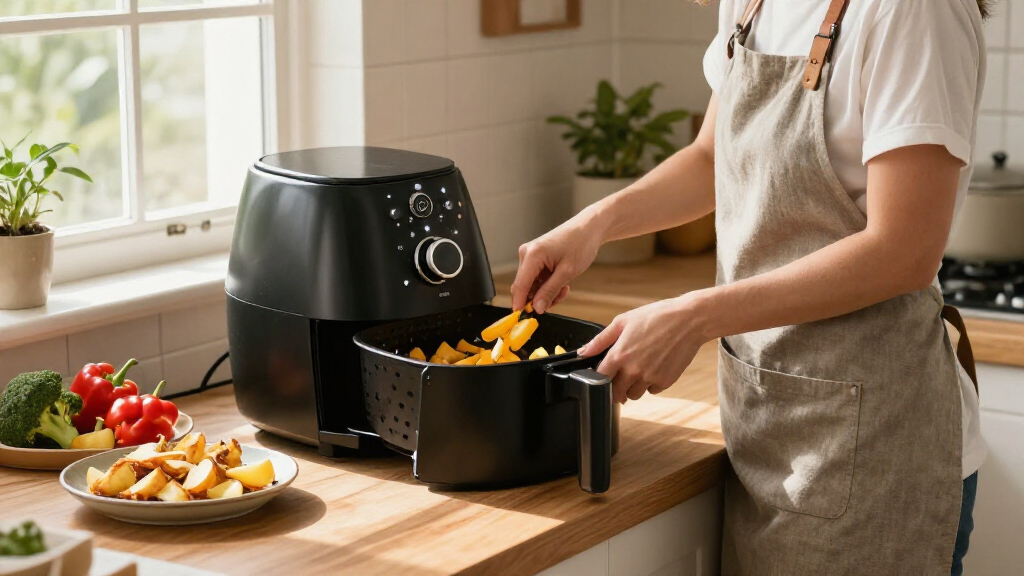
For instance, toss broccoli florets with a little oil, garlic, and black pepper, then cook them with space between pieces. The tips can turn crisp and nutty while the stems stay tender. Brussels sprouts, cauliflower, and potato wedges also work well, though size and moisture affect the result; cut pieces evenly so they finish at roughly the same time. If you crowd the basket, moisture has less room to escape, so vegetables can soften instead of brown. Cooking in batches improves texture but takes longer, a real tradeoff when dinner needs to be quick.
Whole or minimally processed ingredients give you more control over sodium, added fats, and flavor. Try smoked paprika and lemon zest on cauliflower, or a pinch of chili and cumin on potato wedges. If a packaged seasoning blend is your shortcut, check the label: some blends and frozen sides add more sodium than you expect. Choosing your own seasoning also makes it easier to adjust the flavor without relying on salt alone.
- Broccoli and cauliflower: leave room around florets for airflow.
- Brussels sprouts: halve large sprouts so the centers cook through.
- Potatoes: cut evenly and aim for a golden finish, not a deep-brown one.
A regular oven, grill, or steamer can make nutritious vegetables too. The air fryer’s advantage is often convenience: on a Tuesday night, a quick basket of crisp green vegetables can feel easier than waiting for an oven to heat. A steamer may be better when you want soft greens, while a sheet pan can handle more servings at once.
How to Build a Healthier Air-Fryer Meal
For healthier air-fryer meals, start with a minimally processed main ingredient, use only as much oil as helps with browning, and leave space for air to circulate. Season with herbs, spices, garlic, or citrus, then check the finished food for doneness. These small choices shape the meal more than a preset button does: a preset can make cooking simpler, but it cannot balance the ingredients or account for every portion size.
- Choose your base: Try vegetables, fish, chicken, tofu, or potatoes rather than building every meal around packaged snacks. This gives you more say over ingredients and lets the snack remain a convenient option instead of the default.
- Prep for even cooking: Cut ingredients into similar sizes. Pat wet surfaces dry when the recipe calls for crisping. Even pieces finish closer together, so you’re less likely to leave small pieces overcooking while waiting for larger ones.
- Add a light coating: A little oil can improve browning and reduce sticking. Follow the recipe and appliance directions. Too little may leave some foods dry or unevenly browned; more oil does not necessarily make them crisper in a basket where excess can collect.
- Arrange food with space: Put pieces in a single layer when you can. Cook in batches if the basket is full. More batches take extra time, but they let hot air reach more of the surface and usually produce a more even result.
- Turn or shake as needed: Check partway through, especially when pieces vary in size. This helps expose different sides to the moving air, while an early check also helps you learn how quickly your model cooks.
- Check doneness and serve: Use a food thermometer for meat, poultry, and fish; don’t rely on browned surfaces alone. Crispness tells you about the exterior, not whether the center is safely cooked.
Imagine making dinner for two: salmon in one batch, followed by broccoli while the fish rests. That gives you control over portions and timing without heating a large oven. If your household eats at different times, a small appliance may be handy for reheating a single serving, though food should be handled and stored safely. Cooking separate batches can mean a little waiting, but it avoids cramming everything together and helps each food cook as intended.
Seasoning is an easy place to add flavor without leaning on salt. A squeeze of lemon, chopped parsley, cumin, or garlic can make simple ingredients feel complete. If you use packaged marinades or breading, check the ingredient and nutrition labels; convenience can come with extra sodium or refined starch. That doesn’t mean packaged foods cannot fit, but knowing what they contain helps you decide how often and in what portion to serve them.
What an Air Fryer Can’t Fix in a Packaged Snack
An air fryer does not automatically make food low-fat, low-calorie, or nutritious. It can reduce the cooking oil you add to some foods, but it cannot remove salt, refined starch, or saturated fat already in a frozen snack. The final result depends on the recipe, serving size, and what else you eat. That distinction matters because a crisp surface can make a snack feel lighter even when its ingredients and portion have not changed.
For instance, frozen breaded nuggets may come out crisp with little extra oil, which can be convenient. They remain breaded processed food, though, and may contain substantial sodium. Pairing a sensible portion with air-fried green beans or a fresh salad makes a more balanced plate than filling the basket with nuggets alone. The vegetables add variety and make the snack one part of a meal rather than the whole meal.
“Air-fried” describes a cooking method, not a nutrition claim. A baked potato, grilled fish, steamed vegetables, or roasted chickpeas can all fit into a healthy eating pattern. No single method wins every time: steaming suits delicate greens, grilling adds smoky flavor, and an air fryer can be useful for crisp small portions. The useful comparison is what each method helps you cook and how well it fits your routine.
| What you’re cooking | What air frying may change | What still matters |
|---|---|---|
| Homemade potato wedges | May need less added oil than deep frying | Portion size, seasoning, and how dark you cook them |
| Frozen breaded snacks | Can crisp the outside without immersing in oil | Ingredients, sodium, serving size, and sides |
| Fresh vegetables | Can add browned edges and quick preparation | Variety, seasoning, and whether the basket is crowded |
Use the appliance as one useful option, not a rule for every meal. If you find yourself eating more vegetables because they taste good with crisp edges, that’s a practical benefit. If you simply replace deep-fried snacks with large portions of packaged snacks every day, the health picture may not change much. Convenience can support a healthier routine when it helps you make meals you enjoy; it has less impact when the same portions and ingredients stay unchanged.
How to Keep Potatoes Golden and Cook Food Safely
Cook potatoes and other starchy foods to a golden-yellow color rather than letting them turn deep brown, and check high-risk foods with a food thermometer. Air frying, like other high-heat cooking methods, can produce acrylamide in starchy foods; avoiding over-browning is a sensible step. This cue is useful because color can show that the surface has browned further, but it does not tell you everything about nutrition or doneness. Browning alone also cannot tell you whether meat or fish has reached a safe internal temperature.
For example, check a batch of potato wedges when the edges turn golden and crisp. If the centers are still firm, lower the heat or continue cooking briefly while watching their color. Avoid chasing a dark, crunchy finish. The tradeoff is that stopping earlier may mean a less intense crunch, but a deep-brown exterior is not needed for a satisfying result. Follow the appliance instructions and the recipe for cooking times, since models and cut sizes vary.
Use a thermometer for meat, poultry, and fish. A chicken breast can look browned outside while remaining undercooked at the thickest point. Insert a food thermometer into the thickest portion and use current food-safety guidance for the safe internal temperature of that food. A preset program is a starting point, not proof of doneness. This matters because hot air can brown the surface before the center has had enough time to cook.
Safe use also includes the appliance itself. Set it on a stable, heat-safe surface, keep vents clear, and clean the basket and cooking surfaces as the manufacturer directs. Remove grease and crumbs after the appliance cools; a buildup can affect cooking and create smoke. If the basket or coating is damaged, consult the product instructions before using it again. These habits help the appliance work as expected and make it easier to notice wear or residue before the next meal.
Golden, not deeply browned, is a useful cue for starchy foods. For meat and fish, use a thermometer instead of trusting color, timing, or a preset alone.
When an Air Fryer Fits Your Kitchen—and When It Doesn’t
An air fryer is useful when you want to cook a small batch quickly, crisp leftovers, or avoid heating a full-size oven for one or two portions. It may be less convenient when you’re cooking for a large group or when ingredients need a broad, open pan. The best choice depends on your kitchen, recipe, and appetite. The central tradeoff is capacity: a compact basket can save setup time for a small meal, but its limits matter when you need to cook several servings together.
Picture a weeknight meal for one: reheating a portion of roasted vegetables in a basket may be quicker than warming the oven and spreading them on a sheet pan. For four people, the same basket might mean several rounds, so a full-size oven could save time and keep everything hot together. Appliance size, batch capacity, and the food itself all matter. If each batch has to wait, the air fryer’s speed per serving may not translate into a faster dinner overall.
Leave room for airflow. Overfilling can block hot air, make results uneven, and stretch cooking time. If the recipe serves more people than the basket can handle, cook in batches rather than stacking food tightly. Turn or shake pieces when the recipe calls for it, and check early the first time you use a new model. That first check can prevent wasted food while helping you learn the timing for your appliance.
Some foods also suit the basket poorly. Very wet batter can drip before it sets, lightweight ingredients may blow around, and foods that block vents can cook badly. Check the manufacturer’s directions for your model. If you’re deciding whether to buy one, remember that presets and smart controls may add convenience, but they don’t change the basic principles of ingredients, portions, and cooking technique. Whether the appliance earns its counter space depends on how often its smaller-batch convenience solves a real cooking problem for you.
You can also choose another method when it fits better. A steamer keeps greens tender; a grill gives fish a smoky edge; a regular oven handles a big tray of vegetables in one go. The practical win is using the method that makes a good meal easiest for you to prepare.
Frequently Asked Questions
Are air fryers healthier than deep fryers?
They can use less added oil, which may reduce fat and calories compared with deep frying the same food. The result still depends on the ingredients, coating, serving size, and what you serve alongside it.
Is air-fried food the same as fried food?
No. An air fryer circulates hot air, while deep frying submerges food in oil. Air frying can produce a crisp surface, but the texture and flavor differ.
Can you cook without oil in an air fryer?
Often, yes, depending on the food and recipe. A small amount of oil can help some ingredients brown or release from the basket, so follow your recipe and appliance guidance.
Do air fryers produce acrylamide?
They can produce acrylamide in starchy foods cooked at high temperatures, as can other high-heat methods. Avoid overcooking potatoes and aim for a golden color rather than a deep-brown finish.
Can you cook vegetables in an air fryer?
Yes. Broccoli, Brussels sprouts, cauliflower, and potatoes can all work well. Cut pieces evenly, leave room for airflow, and use a light coating of oil if it helps browning.
How do you know chicken is cooked safely?
Use a food thermometer in the thickest part of the chicken and follow current food-safety guidance for its safe internal temperature. Browning, cooking time, and a preset program cannot confirm doneness on their own.
Conclusion
Use an air fryer to make the meals you already want to eat easier: crisp vegetables, modest portions, and simple ingredients with flavor from herbs, spices, and citrus. Keep the basket uncrowded, watch starchy foods as they brown, and use a thermometer for meat and fish.
Remember: the basket can crisp dinner, but your choices build the meal. A few golden broccoli tips alongside a well-seasoned main dish can be a small, satisfying reason to cook at home tonight.