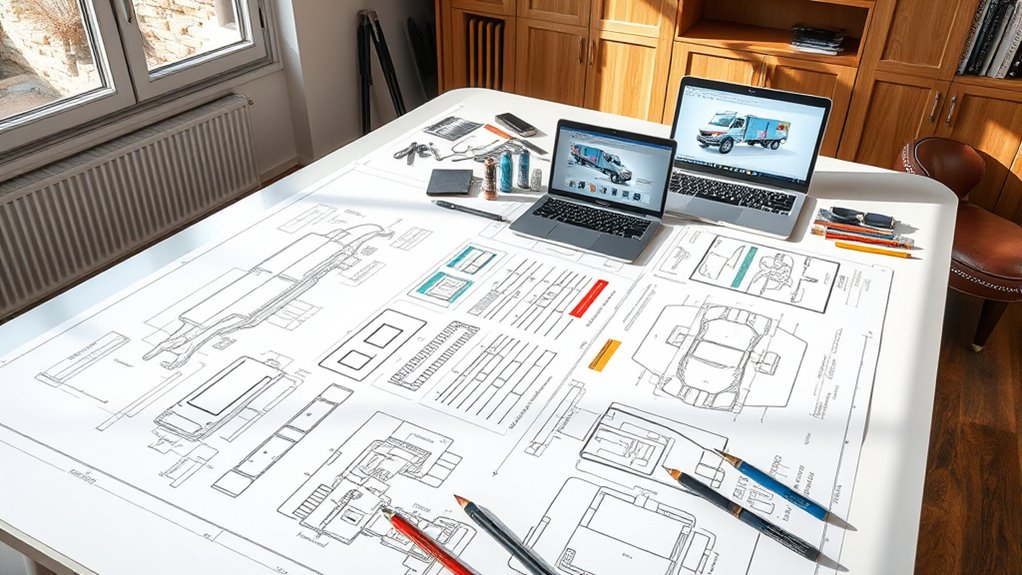

When planning your truck design and layout, focus on maximizing cargo space while keeping everything easily accessible. Position controls, storage, and access points within reach and consider adjustable features to reduce strain. Distribute weight evenly to improve handling and safety, placing heavy items low and centered. Use modular storage to adapt to different loads and streamline loading and unloading. To optimize both performance and comfort, you’ll want to explore these strategies further.

Get kitchen staples and gadgets delivered free with Prime
- Fast, free delivery on millions of items
- Prime Video, Amazon Music and more included
- Member-only deals all year
Key Takeaways
- Maximize cargo capacity through strategic layout planning and adjustable modular storage options.
- Position controls and frequently accessed storage at waist level for ergonomic efficiency.
- Ensure even weight distribution by placing heavy items low and centered to enhance vehicle handling.
- Design for easy loading/unloading with accessible access points and minimal awkward movements.
- Incorporate adjustable shelving and secure tie-downs to optimize cargo flexibility and safety.
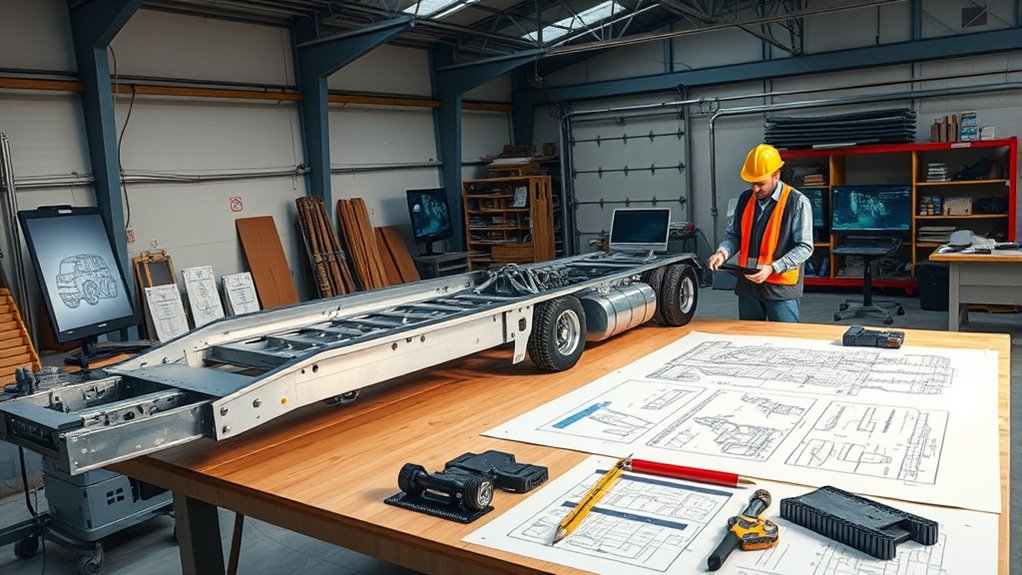
Designing an efficient truck layout begins with understanding how to optimize space, safety, and functionality. A well-planned layout ensures you maximize cargo capacity while maintaining ease of access and safety for everyone involved. One of the first steps is considering ergonomic factors—designing the workspace so that operators can work comfortably and efficiently. You want to position controls, storage, and access points within easy reach to reduce strain and fatigue, which directly impacts productivity and safety. Proper ergonomic considerations also include ensuring the driver’s seat, steering wheel, and dashboard are adjustable to fit different body sizes, minimizing discomfort during long hours on the road. When designing the cargo area, think about the ease of loading and unloading, avoiding awkward movements that could cause injury or damage to goods. Incorporating adjustable shelving or modular storage options can help you customize the space for various cargo types, improving overall efficiency.
Weight distribution is another critical factor that influences your truck’s performance and safety. Properly distributing weight across the axles prevents uneven wear on tires and suspension components, reducing maintenance costs and extending the vehicle’s lifespan. When planning your layout, you should carefully analyze how the weight of your cargo will be allocated. Heavy items should be positioned low and centered to lower the center of gravity, enhancing stability, especially during turns or sudden stops. Avoid placing excessive weight on the rear or front axles, as this can cause handling issues or even compromise braking ability. If your truck is designed for diverse cargo, consider adjustable tie-downs and securement points to evenly distribute weight and prevent shifting during transit. This not only protects your cargo but also ensures your load remains stable, reducing the risk of accidents.
Additionally, integrating ergonomic considerations with weight distribution leads to a safer, more efficient operation. For example, placing frequently accessed storage at waist level reduces the need for bending or stretching, which can cause strain. Simultaneously, balancing the load helps maintain proper vehicle handling, reducing driver fatigue and increasing safety margins. Remember, a well-balanced truck isn’t just about safety; it’s also about optimizing fuel efficiency and minimizing wear and tear. When planning your layout, visualize the entire workflow—from loading to unloading—and arrange components to facilitate smooth, safe, and ergonomic operations. Taking the time to thoughtfully consider ergonomic factors and weight distribution from the outset will pay off through improved safety, lower maintenance costs, and greater operational efficiency.
Frequently Asked Questions
How Do I Select the Best Materials for Truck Flooring?
To select the best materials for truck flooring, you need to consider material durability and installation techniques. Opt for tough, wear-resistant materials like aluminum, rubber, or vinyl, which withstand heavy use and harsh conditions. Make certain the installation techniques are straightforward and secure, preventing future damage or shifting. Your choice should balance durability with ease of installation, giving your truck a long-lasting, functional, and safe flooring solution.
What Safety Features Should Be Prioritized in Layout Design?
Safety is your top priority, so don’t overlook critical features. You should prioritize emergency exits, ensuring quick escape routes during emergencies. Fire suppression systems are equally essential, providing immediate response to fires and minimizing damage. Think of these safety features as the backbone of your layout, protecting lives and cargo. Incorporate clearly marked exits and reliable fire suppression to create a secure environment, shielding everyone on board from potential hazards.
How Can I Optimize Space for Different Cargo Types?
To optimize space for different cargo types, focus on effective cargo organization and load distribution. Use adjustable shelving, dividers, and secure tie-downs to maximize space and keep items stable. Prioritize balanced load distribution to prevent handling issues and improve safety. Consider modular storage solutions that can adapt to various cargo sizes. This approach guarantees efficient use of space, reduces damage, and enhances overall truck performance.
What Are the Latest Technological Trends in Truck Layout?
Like Da Vinci’s sketches, modern truck layouts embrace innovation. You’ll see autonomous driving tech integrated, boosting safety and efficiency. Eco-friendly materials are trending, reducing environmental impact while enhancing durability. These advancements help you optimize space and functionality, making your truck smarter and greener. Staying current with these tech trends allows you to stay ahead, ensuring your fleet is efficient, sustainable, and equipped for future challenges.
How Do I Ensure Compliance With Industry Regulations?
To guarantee compliance with industry regulations, you should thoroughly review regulatory standards relevant to your truck’s design and operation. Use a compliance checklist to track each requirement, such as safety features, load limits, and environmental standards. Regularly update your knowledge on regulations, and conduct inspections to verify adherence. Staying proactive helps prevent violations, keeps your operation legal, and promotes safety for everyone involved.
Conclusion
By carefully planning your truck’s design and layout, you can boost efficiency and safety. Did you know that a well-organized truck can reduce loading and unloading times by up to 30%? That means quicker deliveries and happier customers. So, take the time to design thoughtfully—your investment pays off in smoother operations and increased profitability. Remember, a smart layout isn’t just about looks; it’s about working smarter every mile of the way.
Fall Picks
fall essentials
As an affiliate, we earn on qualifying purchases.