To build a better opening and closing checklist, focus on clarity, prioritizing safety and efficiency. Start each list with essential safety checks, equipment functionality, and clean, organized work areas. Include steps for securing valuables and shutting down machinery at closing time. Regularly update the checklists with new safety protocols and ventilation standards, and support staff training to guarantee consistency. Keep your checklists practical and detailed—continuing will help you master each step for seamless shift handovers.

Get kitchen staples and gadgets delivered free with Prime
- Fast, free delivery on millions of items
- Prime Video, Amazon Music and more included
- Member-only deals all year
Key Takeaways
- Incorporate clear, actionable items tailored to specific operational and safety requirements for both opening and closing procedures.
- Regularly review and update checklists to reflect current safety protocols and operational changes.
- Use simple language and visual cues to ensure staff easily understand and follow each step.
- Include safety inspections, equipment checks, and hazard identifications to promote a safety-first culture.
- Train staff thoroughly on checklist use and reinforce accountability through ongoing education.
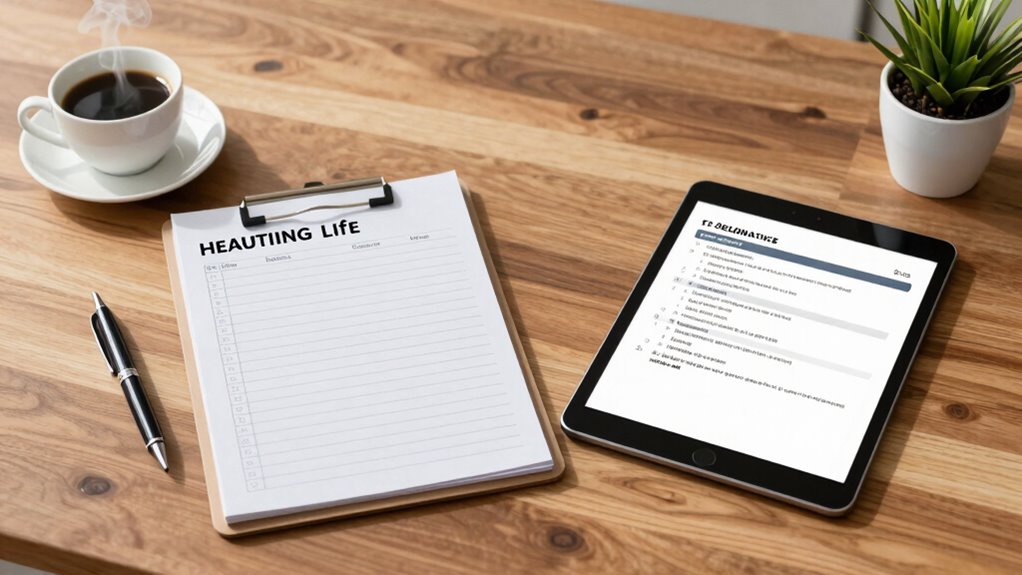
Creating effective opening and closing checklists is crucial for guaranteeing your staff starts and ends their shifts smoothly. These checklists set the tone for the day and help maintain consistency, efficiency, and safety. To build better checklists, you need to focus on clear, actionable items that guide employees through their responsibilities while emphasizing safety procedures. Proper employee training plays an essential role here—your team should understand not just what to do, but why each task matters. Incorporate training into your onboarding process and regular refresher sessions to keep everyone aligned and confident in their duties.
Start your opening checklist by listing the necessary tasks that prepare your business for the day. This might include checking inventory levels, turning on equipment, verifying cleanliness, and ensuring safety procedures are in place. For example, remind staff to inspect fire exits, test alarm systems, and ensure safety gear is available. When it comes to safety procedures, clarity is key. Use straightforward language to specify safety checks, such as inspecting for hazards, confirming that emergency exits are accessible, and reviewing any recent safety alerts. This not only helps prevent accidents but also instills a safety-first mindset from the moment staff arrive. Additionally, understanding indoor air quality can enhance overall safety by ensuring proper ventilation and reducing potential health hazards. Regularly reviewing safety protocols ensures all staff are up to date on current procedures and best practices. Incorporating ventilation practices into your safety checks can further improve indoor air quality and promote a healthier workplace environment. Maintaining awareness of air quality standards can help prevent health issues related to poor ventilation. Conducting routine assessments of air quality can also identify emerging issues before they impact staff health.
Begin your day with clear safety checks—inspect hazards, confirm exits, and review safety alerts to promote a safety-first mindset.
Your closing checklist should focus on tasks that wrap up the day efficiently while maintaining safety standards. Encourage staff to clean work areas, turn off equipment, secure cash and valuables, and complete any required documentation. Incorporate safety procedures by emphasizing the importance of shutting down machinery properly, double-checking that all safety devices are engaged, and ensuring no hazards are left behind. A well-structured closing checklist helps minimize risks and protects your premises overnight. It also reinforces employee training, reminding staff of their safety responsibilities and the importance of leaving the workspace secure. Regularly updating these checklists to include new safety protocols and ventilation practices ensures continuous improvement in your safety standards. When your staff clearly understands their roles through detailed checklists, supported by ongoing employee training, they’re more likely to follow procedures diligently, leading to safer, more organized shifts.
opening and closing checklist template
As an affiliate, we earn on qualifying purchases.
As an affiliate, we earn on qualifying purchases.
Frequently Asked Questions
How Often Should the Checklists Be Reviewed and Updated?
You should review your checklists regularly, ideally every three to six months, to guarantee checklist accuracy and that they reflect current procedures. Regular review frequency helps identify outdated items or gaps, keeping staff processes efficient. By consistently updating your checklists, you maintain clarity and effectiveness, reducing mistakes. Make it a routine to reassess and revise, so your checklists stay relevant and reliable for your team’s daily operations.
What Tools Can Streamline Checklist Management?
You can’t put all your eggs in one basket, so use tools like digital checklist platforms that incorporate digital integration and mobile accessibility. These tools streamline checklist management by allowing staff to update and access checklists anytime, anywhere. Apps like Trello, Asana, or specialized cleaning and maintenance apps make it easy to track tasks, guarantee consistency, and keep everyone on the same page, saving time and reducing errors.
How Do I Train Staff to Follow Checklists Consistently?
You motivate staff by highlighting the importance of checklists and showing how they improve efficiency. Use motivational strategies like positive reinforcement and setting clear expectations. Incorporate feedback mechanisms, such as regular reviews and constructive feedback, to guarantee consistency. Encourage open communication, listen to concerns, and recognize good performance. This approach helps staff understand the value of following checklists and fosters a culture of accountability and continuous improvement.
Should Checklists Vary Between Different Staff Roles?
Yes, checklists should vary between roles to be effective. Think of your team like a symphony—each instrument has a unique part, but they play harmoniously. Using role-specific checklists with customization strategies guarantees staff focus on their responsibilities, reducing mistakes and boosting efficiency. Tailoring checklists makes them more relevant, engaging, and easier to follow, ultimately leading to smoother operations and better accountability across different staff roles.
How Can I Ensure Staff Accountability Using Checklists?
You can guarantee staff accountability by incorporating clear accountability metrics into your checklists, making it easy to track performance. Motivate your team with incentives tied to these metrics, encouraging consistent adherence. Regularly review checklist completions and provide feedback, highlighting successes and areas for improvement. Recognizing effort and progress fosters responsibility, ensuring staff stay accountable and motivated to follow procedures diligently.
safety inspection checklist for workplace
As an affiliate, we earn on qualifying purchases.
As an affiliate, we earn on qualifying purchases.
Conclusion
By crafting thorough opening and closing checklists, you’re essentially laying the foundation and sealing the doors of your daily operations. Think of these lists as the heartbeat of your staff’s routine—steady, reliable, and crucial. When every task is checked off like a finely tuned symphony, your business runs smoothly, leaving chaos at the door. With these tools in hand, you’ll turn everyday shifts into masterpieces of efficiency, guiding your team to success with confidence and grace.
air quality monitor for indoor ventilation
As an affiliate, we earn on qualifying purchases.
As an affiliate, we earn on qualifying purchases.
equipment shutdown safety device
As an affiliate, we earn on qualifying purchases.
As an affiliate, we earn on qualifying purchases.
Halloween Picks
halloween
As an affiliate, we earn on qualifying purchases.