
Before accepting a long-distance catering job, you should thoroughly evaluate menu flexibility for dietary needs and themes, and confirm if it can be adapted without losing quality. Check transportation logistics, including distance, responsibilities, and temperature control. Assess venue space, utilities, and setup needs to prevent surprises. Establish clear communication channels with an on-site contact and review payment terms to guarantee profitability. Continuing with this guide will help you understand all key factors to make an informed decision.

Get kitchen staples and gadgets delivered free with Prime
- Fast, free delivery on millions of items
- Prime Video, Amazon Music and more included
- Member-only deals all year
Key Takeaways
- Assess transportation logistics, including distance, travel time, equipment needs, and temperature control requirements.
- Confirm venue setup, utilities, space, and layout to ensure smooth preparation and service.
- Evaluate menu flexibility for dietary restrictions, themes, and health-conscious options without compromising quality.
- Identify the main contact for clear communication and support throughout planning and event execution.
- Review contract terms and payment details to ensure clarity, coverage of additional expenses, and profitability.
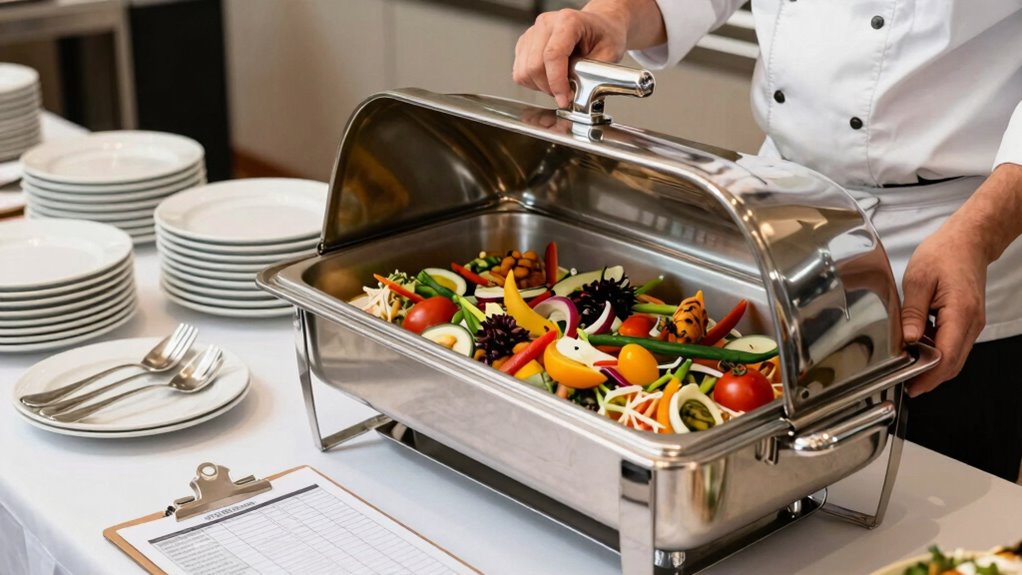
Taking on a long-distance catering job can be a lucrative opportunity, but it’s essential to thoroughly inspect several key factors before committing. One of the first things you should evaluate is the menu customization options available. You need to determine if the client’s dietary requirements, preferences, and theme are flexible enough for you to craft a menu that meets their expectations. Clarify whether they want traditional dishes, specialized menus for allergies or health-conscious choices, or themed items that fit a particular event style. Making sure you can adapt your offerings without compromising quality is vital because it directly impacts guest satisfaction and your reputation. Additionally, understanding how your technology tools can assist in planning and communication can streamline the process and help manage expectations more effectively.
Ensure menu flexibility to meet client preferences and dietary needs for a successful long-distance catering event.
Next, you should pay close attention to transportation logistics. Long-distance jobs often involve transporting large quantities of food and equipment over considerable distances, so understanding the logistics involved is essential. Ask about the distance, travel time, and the type of transportation needed. Will you be responsible for delivering your own equipment, or will the client provide some of it? Confirm if there are any restrictions or requirements related to transportation, like temperature control for perishable items or special handling instructions. Knowing whether you’ll need refrigerated trucks or additional staff for setup helps you plan your resources efficiently. Also, consider the timing and scheduling—delays can spoil food and affect the event’s success. Proper planning for transportation logistics ensures the quality and freshness of your food arrive as intended.
In addition to menu and logistics, check the details surrounding the venue and setup requirements. Is there adequate space for your team to work, prepare, and serve? Will you have access to necessary utilities like water, electricity, or heating? Understanding the venue’s layout and limitations enables you to prepare appropriately and avoid surprises on the day of the event. It also helps you determine if you need to bring additional equipment or staff to ensure smooth operations.
You should also evaluate the communication and support from the client or event coordinator. Clear, timely communication helps prevent misunderstandings and last-minute issues. Confirm who your main point of contact is, and ensure they are responsive and knowledgeable about the event specifics. Finally, review the payment terms and contract details carefully before proceeding. Make sure the compensation aligns with your costs and effort, especially considering the extra expenses that long-distance jobs often incur.
refrigerated food transport containers
As an affiliate, we earn on qualifying purchases.
As an affiliate, we earn on qualifying purchases.
Frequently Asked Questions
How Do I Verify the Credibility of the Client?
You verify the credibility of the client by researching their reputation online, reading reviews, and asking for references. Review contract details carefully to guarantee clarity on expectations, payment, and responsibilities. Contact previous clients if possible to confirm their experience. Trust your instincts if something feels off. A reputable client will have transparent communication and positive feedback, making it safer for you to proceed confidently with the long-distance catering job.
What Safety Measures Are Recommended During Long-Distance Transport?
Imagine safeguarding a delicate treasure on a smooth voyage. You should prioritize vehicle maintenance to prevent unexpected breakdowns and guarantee safety. Secure all food items properly to avoid spills and contamination, and keep cold or hot foods at the right temperatures for food safety. Drive carefully, observe traffic laws, and take regular breaks to stay alert. These steps help protect your cargo and ensure it arrives fresh and intact.
How Should I Handle Last-Minute Schedule Changes?
When last-minute schedule changes occur, stay calm and adaptable by maintaining schedule flexibility. Communicate promptly with clients and your team to confirm new timings, ensuring everyone’s on the same page. Review your emergency protocols to handle unexpected setbacks efficiently. Being prepared for changes helps you manage stress and deliver quality service despite sudden adjustments, keeping the event on track and maintaining professionalism.
What Insurance Coverage Is Necessary for Long-Distance Catering?
You should have liability coverage to protect against accidents or damages during your catering gig. Cargo insurance is essential for safeguarding against loss or damage of your equipment and food during transit. Some clients might overlook insurance, but it’s vital for peace of mind and legal protection. Ensuring you’re adequately insured helps you manage risks effectively, so you can focus on delivering excellent service without worries.
How Do I Estimate Travel and Accommodation Costs Accurately?
To estimate travel and accommodation costs accurately, start with detailed cost calculation by researching current rates for transportation and lodging. Consider fuel, tolls, flights, or train fares, and include hotel or Airbnb expenses. Use this data for budget planning, adding a buffer for unexpected costs. Check online booking platforms and travel apps to compare prices and find discounts. This approach helps you set realistic budgets before accepting the job.
As an affiliate, we earn on qualifying purchases.
Conclusion
Before accepting a long-distance catering job, make certain you’ve thoroughly inspected the venue, equipment, and logistics. Doing so can help prevent costly surprises and ensure smooth service. Remember, over 60% of catering mishaps are due to overlooked details or miscommunication. By checking everything beforehand, you set yourself up for success, minimize stress, and deliver an exceptional experience for your clients. Preparation truly makes all the difference in pulling off a flawless event.
As an affiliate, we earn on qualifying purchases.
food warming and temperature control equipment
As an affiliate, we earn on qualifying purchases.
As an affiliate, we earn on qualifying purchases.
Columbus Day / Indigenous Peoples' Day Picks
long weekend sales
As an affiliate, we earn on qualifying purchases.