TL;DR

Get kitchen staples and gadgets delivered free with Prime
- Fast, free delivery on millions of items
- Prime Video, Amazon Music and more included
- Member-only deals all year
Good Housekeeping published a November decluttering checklist with advice from professional organizers on clearing items before holiday hosting. Suggestions include expired food, unused seasonal clothing and decor, toys, and excess kitchenware; the recommendations are guidance, not a requirement to discard any particular item.
Good Housekeeping has published a 13-item November decluttering checklist, drawing on advice from professional organizers about what households may want to discard, donate, or sort before holiday hosting. The recommendations focus on making room for seasonal food, guests and incoming gifts, but whether an item should go depends on its condition and whether the household still uses it.
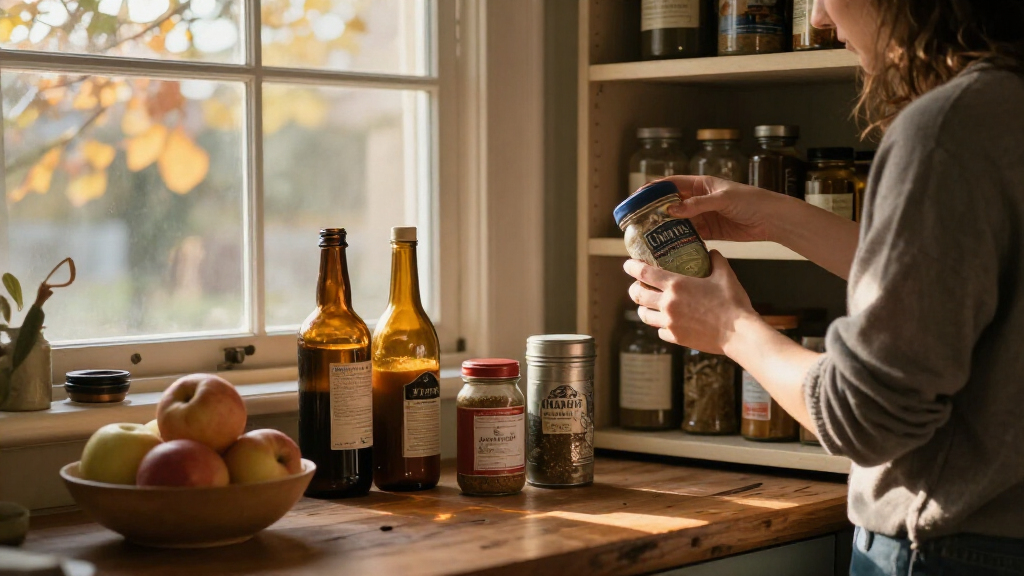
The list spans linens, winter accessories and pantry goods, as well as belongings that tend to accumulate in guest rooms. Organizer Bergman suggests repairing usable cold-weather gear and letting go of pieces people avoid wearing. For pantry items, Bergman says a clear-out can create space for seasonal ingredients and help prevent past-prime goods from being used in holiday meals.
Other categories include children’s toys, unused family china and fall decorations. Matt Paxton, author of Keep the Memories, Lose the Stuff and host of Discovery’s Filthy Fortunes, suggests families consider letting go of about 25% to 50% of children’s existing toys to make room for holiday gifts, and says donating unwanted toys can involve children in giving. Olivia Parks of Nola Organizers recommends discarding fall decor that has wilted or lost its appeal.
The checklist also covers holiday clothes that go unworn, old condiments, rarely used festive makeup, Christmas decorations left in storage after decorating, sentimental items tied to past chapters, and extra kitchenware. Organizers quoted by the magazine generally frame these as items to assess, not a universal inventory to throw away: repair, donate or relocate may make more sense than disposal.
Making Room Before Holiday Hosting
The advice addresses a practical seasonal squeeze: households may need usable kitchen, refrigerator and freezer space for meals and leftovers, while guest rooms and closets may see more use. Reviewing possessions in November can also make it easier to identify what is genuinely needed before holiday shopping and gifts bring more items into the home.
The list is not evidence that every household needs a major cleanout. Its value is as a prompt to check condition and use: expired food and worn linens raise different concerns from family keepsakes or inherited china. The organizers’ recommendations leave room for household priorities, sentimental attachments and donation where items remain usable.
Products Worth Considering

Vitamix 5200 Professional-Grade Blender, 64 oz. Container, Black

Ninja NC501 CREAMi XL Deluxe 11-in-1 Ice Cream and Frozen Treat Maker with Two XL Containers

Weber Genesis E-415 4-Burner Propane Gas Grill, Black
As an affiliate, we earn on qualifying purchases.
Organizers’ Seasonal Checklist
The source is a Good Housekeeping report titled “13 Things Organizers Say You Should Toss in November.” It brings together comments from professional organizers, including Bergman, Parks, Allison Flanders of ORG NYC, Allison Flinn of Reclaim, and Hoepner, alongside Paxton’s advice on toys and sentimental possessions.
The checklist is timed around the period before holiday gatherings and the arrival of winter decorations. It combines routine household maintenance—such as checking pantry dates—with decisions about personal belongings. The supplied source does not give a specific publication date, so the timing can be described only as guidance for the November holiday season.
““The goal should be to let go of about 25% to 50% of their existing toys to make space for the items coming in December.””
— Matt Paxton, author and television host
What the Checklist Cannot Decide
The report offers professional opinions rather than a formal standard, and the source material does not provide research showing how much space or time households save by following the advice. It also does not set a single rule for how long pantry products or opened condiments remain safe; that depends on the product, its label and storage conditions. Readers should check packaging and food-safety guidance rather than rely on appearance alone.
Nor does the checklist establish that sentimental objects, inherited tableware or unused gifts should always be removed. The decision is personal, and the article’s suggestions are conditional. The supplied material also gives no specific publication date or indication of follow-up reporting.
A Room-by-Room November Review
The next step for readers is to use the list as a room-by-room review: check linens and winter gear, inspect pantry and refrigerator items, then assess guest-room clutter, toys, clothing, decorations and kitchen tools. Items in good condition can be considered for donation or offered to family; repairable items may be kept, and belongings that belong elsewhere can be returned to their proper rooms.
For food, check labels and storage instructions before deciding what to discard, and keep perishable items at safe temperatures. The report sets no deadline or prescribed order for the task. Its practical endpoint is a home with space for the season’s actual needs, while leaving households to decide what they will use or value.
Key Questions
What does the November decluttering checklist recommend reviewing?
It lists 13 categories, including dingy linens, winter accessories, expired pantry goods, guest-room clutter, toys, unused china, fall decor, unworn holiday outfits, old condiments, festive makeup, unused Christmas decorations, sentimental items and extra kitchenware.
Do organizers say everyone should get rid of 25% to 50% of their children’s toys?
No. Matt Paxton offers that range as a suggestion for families making space for expected holiday gifts. It is not a universal requirement, and the source does not present it as a research finding.
Should usable items be thrown away?
Not necessarily. The report includes options such as repairing winter accessories, donating toys or decorations, and returning misplaced belongings to another room. The appropriate choice depends on condition and whether someone can use the item.
How should readers decide whether pantry food or condiments are safe?
Check the product label, storage instructions and applicable food-safety guidance. The checklist recommends reviewing expired or long-opened products, but it does not establish one safety rule for every food.
Source: goodhousekeeping.com