Regularly cleaning your ice machine is more important than most owners realize because neglect leads to bacteria, mold, and mineral buildup that can contaminate your ice and damage the equipment. Over time, these issues cause cloudy, foul-tasting ice and even mechanical failures. Proper maintenance, including timely cleaning and inspection, keeps your ice safe and your machine running efficiently. Keep going to discover simple tips and common mistakes to avoid for ice quality that truly matters.
Key Takeaways
- Regular cleaning prevents bacteria, mold, and mineral buildup, ensuring safe, high-quality ice production.
- Proper maintenance extends the ice machine’s lifespan and reduces costly repairs over time.
- Neglecting cleaning can lead to foul-tasting, cloudy, or contaminated ice that impacts health and customer satisfaction.
- Routine descaling and filter replacement improve efficiency and prevent mechanical failures.
- Consistent cleaning habits safeguard overall machine performance and ensure compliance with health standards.
Why Cleaning Your Ice Machine Regularly Is Crucial
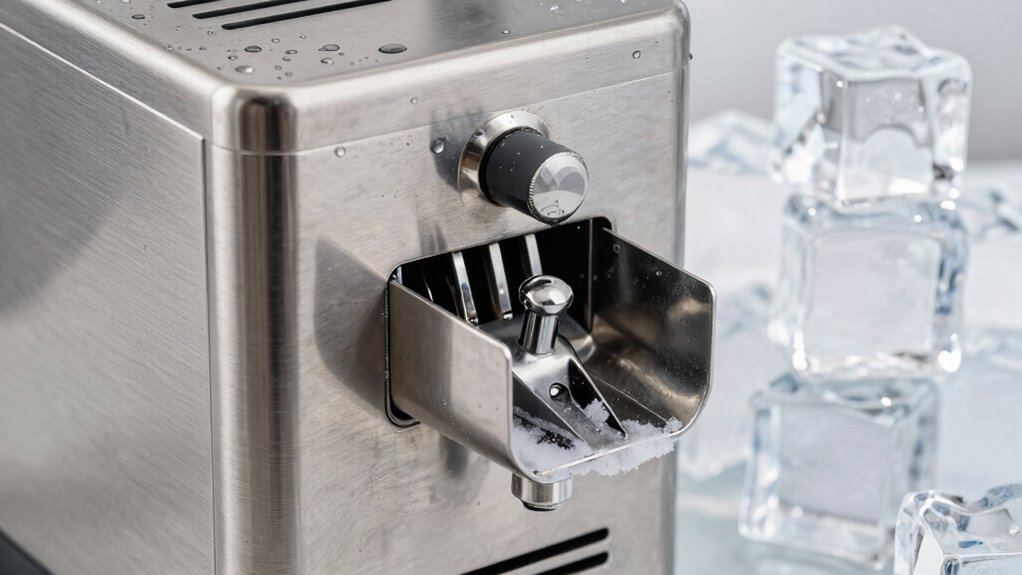
Regularly cleaning your ice machine is essential because it prevents bacteria, mold, and mineral buildup that can compromise the quality of your ice. A well-maintained unit also preserves its ice machine design, guaranteeing all components function smoothly. When you neglect cleaning, mineral deposits can clog parts, reducing efficiency and increasing energy consumption. An efficient ice machine not only saves you money on electricity but also produces cleaner, better-tasting ice. Regular maintenance helps identify potential issues early, preventing costly repairs and prolonging the machine’s lifespan. By keeping your ice machine clean, you optimize its energy efficiency and assure consistent ice quality. Ultimately, a simple cleaning routine keeps your equipment running at peak performance and safeguards your health and safety.
How Bacteria, Mold, and Mineral Deposits Build Up in Ice Makers
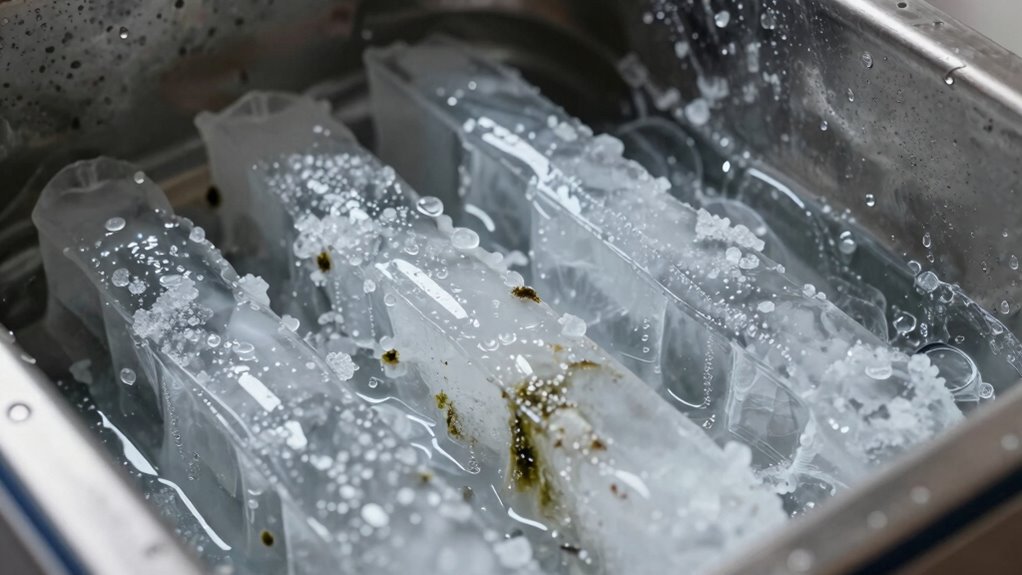
As your ice machine runs, bacteria and mold can grow quickly in the moist environment, especially if it’s not cleaned regularly. Mineral deposits from water can also build up on surfaces, impacting ice quality and machine efficiency. Ignoring these issues allows germs and deposits to accumulate, making your ice less safe to use. Regular maintenance can help prevent the buildup of mineral deposits, ensuring the ice remains clean and safe for consumption. Additionally, understanding water quality and its role in deposit formation can help you take more effective preventative steps. Proper humidity control in your environment can also reduce the likelihood of mold growth inside the machine. Being aware of water source characteristics can further inform your cleaning routine and improve your machine’s performance. Recognizing the impact of water hardness on deposit formation can also guide you in choosing appropriate filtration or treatment methods.
Bacteria and Mold Growth
Ever wondered how bacteria, mold, and mineral deposits can quietly accumulate inside your ice machine? These growths threaten your ice quality and compromise ice machine hygiene if unchecked. Here’s what you should know:
- Bacteria thrive in moist, warm environments, making ice makers a perfect breeding ground if cleaning routines are lax. Regularly cleaning and drying these areas can significantly reduce bacterial buildup. Additionally, neglecting proper sanitation practices can allow bacteria to multiply rapidly. Using electric power efficiently to run cleaning cycles can help maintain hygiene standards. Proper maintenance routines are essential to prevent these organisms from establishing themselves inside your machine.
- Mold spores can spread quickly in damp surfaces, especially around water reservoirs and filters. Surface contamination can be minimized through proper sanitation practices.
- Mineral deposits can create a sticky film, providing more surfaces for bacteria and mold to cling to.
- Poor maintenance allows these organisms to flourish, increasing health risks and reducing ice quality. Prioritizing regular cleaning and bacterial prevention guarantees your ice remains safe and your machine stays hygienic. Regularly inspecting and cleaning your ice machine is crucial for preventing bacteria and mold growth.
Mineral Deposits Accumulation
Mineral deposits tend to build up inside ice machines when minerals from your tap water, like calcium and magnesium, settle on surfaces over time. This mineral buildup causes scale formation, which can reduce efficiency and compromise the quality of your ice. As deposits accumulate, your machine works harder, risking breakdowns and costly repairs. Think about the impact on your health and the taste of your ice—scaly, mineral-rich ice isn’t what you want. Additionally, these mineral residues can contribute to ongoing pollution impact if they leach into the environment during disposal. Regular cleaning can help prevent scale formation and extend the lifespan of your ice machine. Maintaining proper water quality is essential to minimizing mineral buildup and ensuring your ice remains clean and safe. Understanding how mineral deposits form and influence your machine’s performance highlights the importance of preventative maintenance for long-term reliability. Being aware of mineral deposit formation can help you take proactive steps to protect your appliance and health.
How to Clean Your Ice Machine Step-by-Step
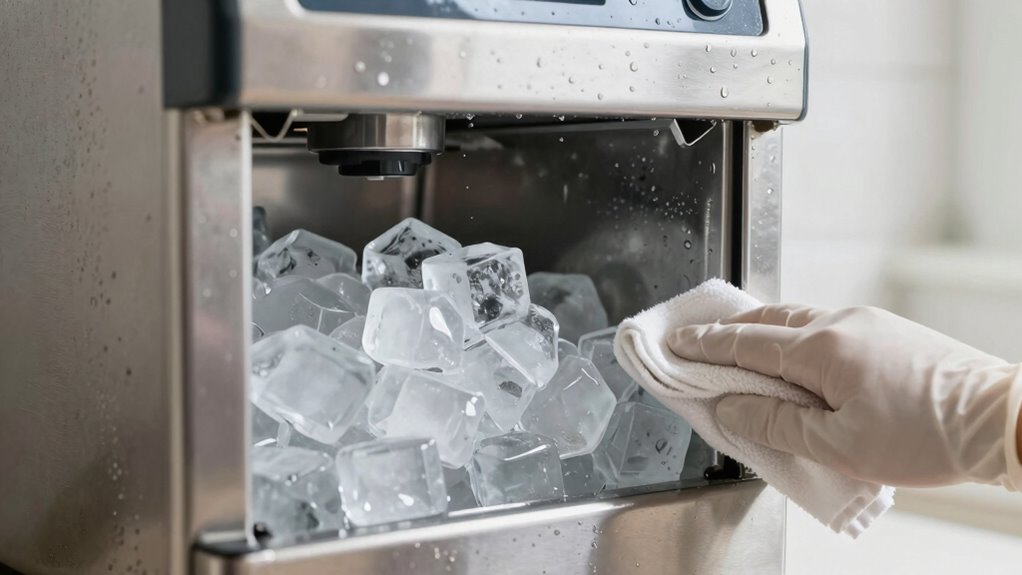
To start cleaning your ice machine, gather all the necessary supplies so you’re ready to go. Next, drain the ice and disassemble the components that need cleaning, making sure to remove any buildup. A thorough cleaning of internal parts can help prevent bacterial growth and ensure your ice remains safe to use. Regular maintenance extends the lifespan of your ice machine and ensures optimal performance. Additionally, understanding the regional flavors of ice and how they can influence your cleaning routine can help maintain the quality of the ice. Incorporating mind-body awareness into your routine can also help you stay attentive to proper maintenance practices. Using the right security gear can further protect your equipment from contamination and damage. Finally, clean each part thoroughly and rinse everything well before reassembling to make certain your ice stays fresh and safe.
Gather Cleaning Supplies
Before you start cleaning your ice machine, gather all the necessary supplies to make the process smooth and efficient. Having everything ready guarantees you won’t have to stop midway. Start with your ice machine cleaning supplies, which should include disinfectants, scrubbing brushes, and soft cloths. Next, check your maintenance checklist to confirm you have items like gloves and safety goggles.
Here are four essential supplies:
- Food-safe disinfectant or cleaner
- Soft cloths or sponges
- Scrubbing brushes
- Gloves and protective gear
Gathering these items beforehand helps streamline your cleaning routine, making it quicker and more effective. Being prepared with the right supplies ensures a thorough clean and helps maintain your ice machine’s performance.
Drain and Disassemble
Start by turning off the ice machine and unplugging it to guarantee safety. Drain maintenance begins with locating the drain pan and removing any standing water. Follow the disassembly procedures by carefully detaching panels or access covers to reach the drain assembly. Check for any clogs or buildup and clear them out using a brush or cloth. Be gentle to avoid damaging components. If your model has a drain valve, inspect and clean it thoroughly. Remove any debris or mineral deposits that may hinder proper drainage. Once disassembled, wipe down all accessible parts with a cleaning solution. Proper drain maintenance prevents mold, odors, and ice quality issues. Regular cleaning also supports hygienic practices and extends the lifespan of your appliance. Additionally, understanding cabling solutions can help prevent water damage during maintenance. Being aware of contrast ratio can aid in recognizing the importance of clear, well-maintained components for optimal operation. Remember that proper filtration techniques are essential for maintaining clean, safe ice. Incorporating accessibility features can make the cleaning process easier and safer for users with physical limitations. Reassemble carefully, ensuring all parts are securely in place before plugging the machine back in.
Clean and Rinse Thoroughly
After you’ve disassembled and cleared out any clogs, it’s vital to thoroughly clean and rinse the interior of your ice machine. This step guarantees your ice remains fresh, flavor-enhanced, and free of bacteria. To do this effectively:
- Use a cleaning solution recommended by the manufacturer, applying it to all surfaces.
- Scrub gently with a soft brush to remove mineral build-up and residue.
- Rinse with clean water to eliminate any leftover cleaning solution, preventing flavor contamination.
- Wipe down the interior with a clean cloth, ensuring no spots are missed.
Thorough cleaning and rinsing boost flavor enhancement and energy efficiency by preventing mold and scale buildup. Regular maintenance keeps your ice machine running smoothly, saving you money and ensuring top-quality ice.
Signs Your Ice Machine Needs Immediate Cleaning or Repair
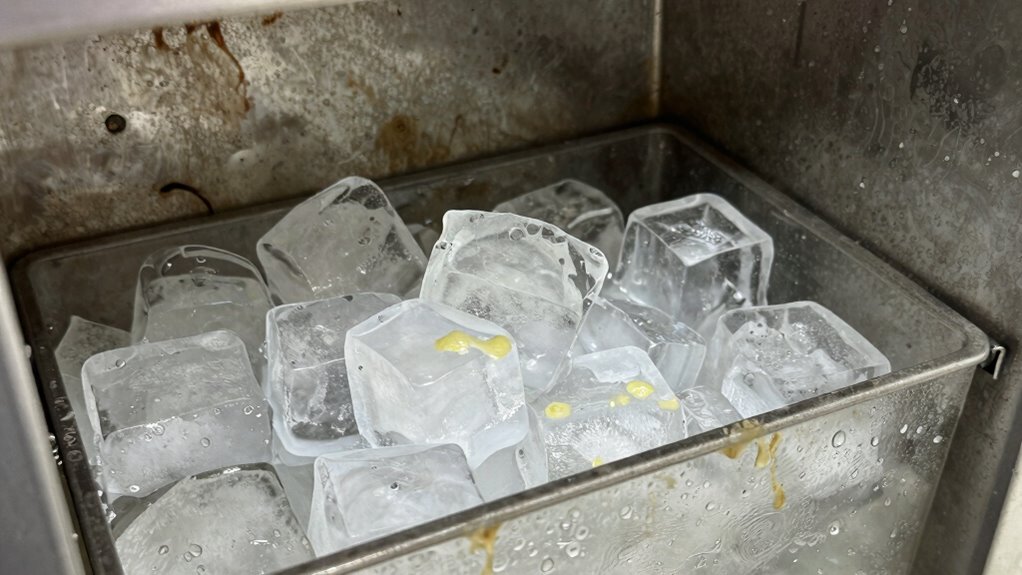
If you notice your ice has an unusual taste, odor, or cloudy appearance, it’s a clear sign that your ice machine needs immediate cleaning or repair. These ice quality indicators can signal buildup of mold, bacteria, or mineral deposits that affect overall ice safety and taste. Poor ice quality often results from neglecting regular ice machine maintenance, leading to foul-tasting, discolored, or sticky ice. Additionally, if your machine is making strange noises, leaking, or stopping unexpectedly, these are signs of mechanical issues that require prompt attention. Overlooking these signs can cause further damage, increase repair costs, and compromise your ice’s safety. Addressing these signs early helps ensure your ice machine continues to produce clean, fresh ice reliably.
Simple Tips to Keep Your Ice Machine Clean and Well-Maintained
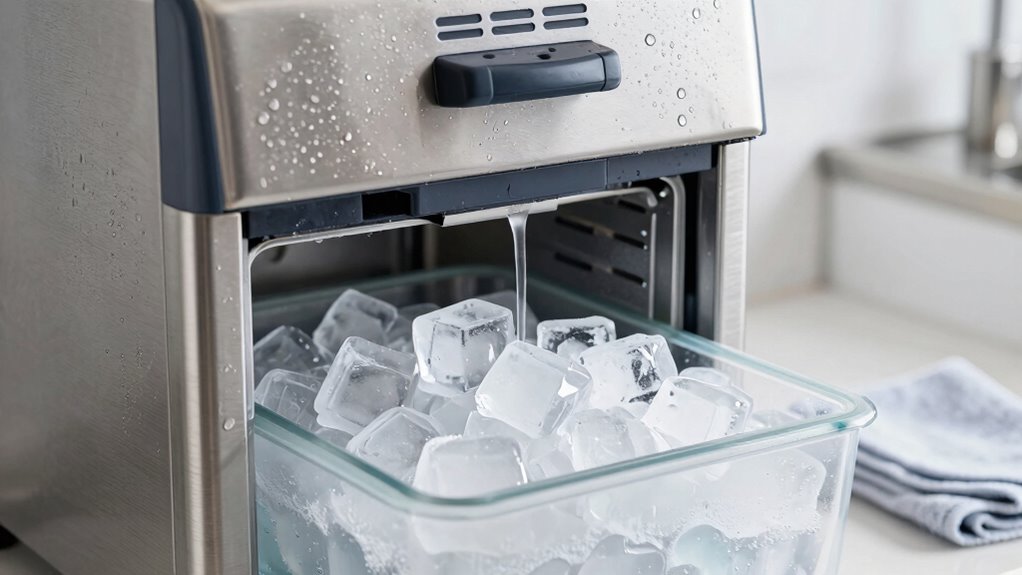
Keeping your ice machine clean and well-maintained doesn’t have to be complicated; with simple, regular habits, you can guarantee it consistently produces fresh, safe ice. Regular cleaning preserves the ice machine’s design and enhances energy efficiency. To keep it in top shape:
Regular cleaning and maintenance ensure fresh, safe ice and optimal machine performance.
- Wipe down the exterior and accessible internal parts weekly to prevent grime buildup.
- Replace water filters as recommended to maintain ice quality and machine performance.
- Use a vinegar solution monthly to descale and remove mineral deposits, improving energy efficiency.
- Check and clean the ice bin regularly to prevent mold and bacteria growth.
Common Mistakes That Can Harm Your Ice Quality and Machine Longevity
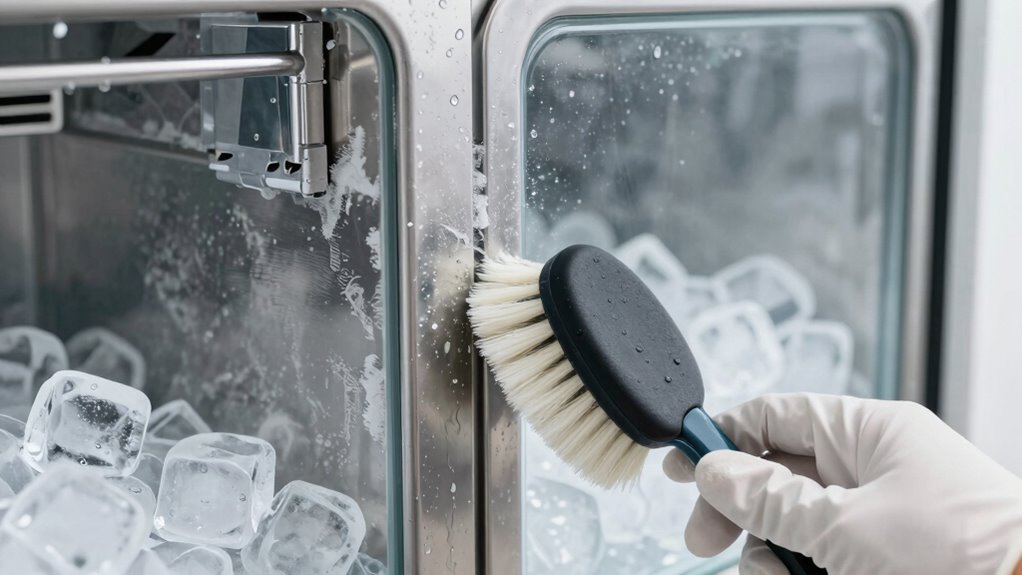
Neglecting common mistakes in ice machine care can quickly undermine your efforts to produce clean, safe ice. Poor ice machine design choices, like inadequate drainage, lead to mold buildup and bacteria growth. Overloading your ice storage capacity stresses the system, causing wear and uneven ice production. Failing to regularly check filters and water quality accelerates corrosion and reduces ice clarity. Additionally, neglecting to clean condenser coils hampers efficiency and shortens your machine’s lifespan.
| Mistake | Impact | Solution |
|---|---|---|
| Ignoring ice machine design | Bacteria, mold, poor ice clarity | Choose well-designed models |
| Overloading ice capacity | Machine wear, breakdown | Respect storage limits |
| Skipping filter maintenance | Contamination, corrosion | Clean filters regularly |
| Neglecting condenser coils | Reduced efficiency, overheating | Schedule routine cleaning |
| Poor water quality | Cloudy, unsafe ice | Use filtered water |
Frequently Asked Questions
How Often Should I Schedule Professional Cleaning for My Ice Machine?
You should schedule professional cleaning for your ice machine at least every six months, or more often if it’s heavily used. Following a consistent cleaning frequency schedule helps extend your ice machine lifespan by preventing buildup and bacteria. Regular maintenance guarantees your machine runs efficiently, saves energy, and produces clean ice. Don’t skip these appointments, as neglecting cleaning can lead to costly repairs and reduce your ice machine’s overall longevity.
Can DIY Cleaning Products Damage My Ice Machine?
DIY cleaning products can pose risks to your ice machine if they’re too harsh or not designed for appliance use. Using improper cleaning products might damage internal components, cause corrosion, or leave residues that affect ice quality. Always choose cleaning products specifically made for ice machines or appliances, and follow the manufacturer’s instructions carefully. Avoid harsh chemicals, and consider professional cleaning if you’re unsure, to prevent costly damage.
What Are the Health Risks of Neglected Ice Machine Maintenance?
Neglecting ice machine maintenance can pose serious health risks. You might unknowingly expose yourself to ice contaminated with bacteria and mold growth, which thrive in damp, unclean environments. These microorganisms can cause illnesses like stomach upset, infections, or allergic reactions. Regular cleaning prevents buildup, keeping your ice safe and ensuring you avoid health issues linked to contaminated ice, safeguarding you and your loved ones from preventable health hazards.
Does Water Quality Affect How Often I Need to Clean the Machine?
Yes, water quality impacts how often you should clean your ice machine. Water with high mineralization, like hard water, causes mineral buildup and requires more frequent cleaning. Filtration needs become essential because proper filters reduce mineral deposits and impurities, maintaining ice quality and machine efficiency. Regularly testing water hardness and adjusting your filtration system helps prevent excessive scale buildup, ensuring cleaner ice and prolonging your machine’s lifespan.
Are There Specific Cleaning Products Recommended for Different Ice Machine Types?
Cleaning your ice machine is like choosing the right tools for a job—you need specific products. Use ice machine chemicals formulated for your machine type, whether it’s a countertop or commercial unit. Always prioritize cleaning product safety, ensuring they’re compatible with your equipment. Read labels carefully, and never mix chemicals, to prevent damage or contamination. Properly selected cleaning products keep your ice fresh and your machine running smoothly.
Conclusion
Keeping your ice machine clean isn’t just about clear cubes; it’s about your health and equipment longevity. Some believe a quick rinse suffices, but bacteria and mineral buildup can hide in plain sight. Regular, thorough cleaning actually prevents costly repairs and guarantees fresh, safe ice. Think of it as a small investment for big peace of mind—because when you stay proactive, you’re less likely to face unexpected breakdowns or health risks down the line.