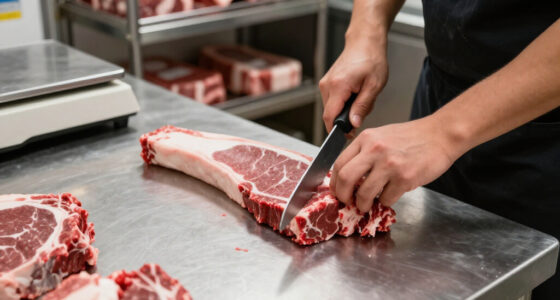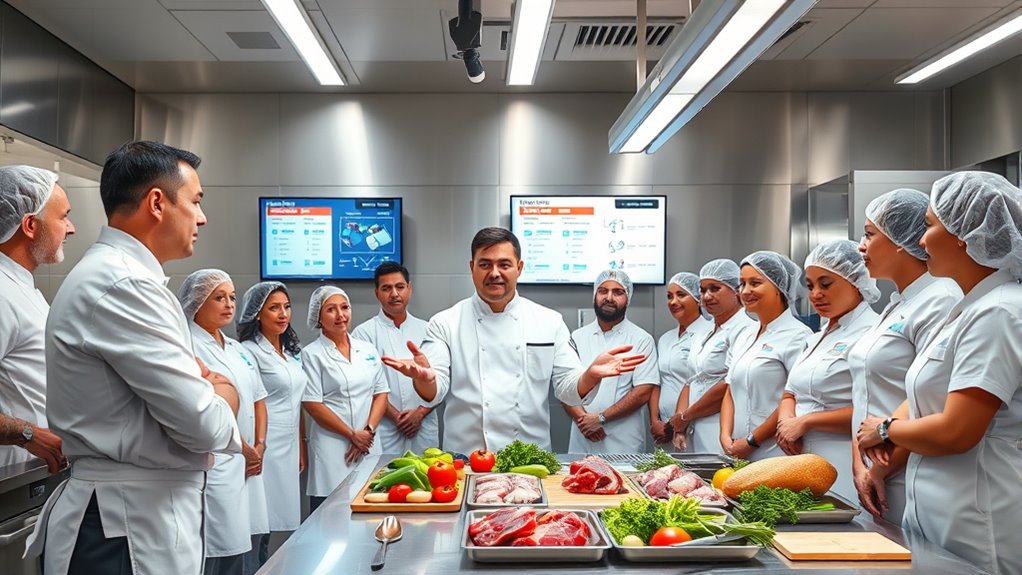

To train staff on food safety and handling, you should emphasize proper hygiene practices like thorough handwashing, correct glove use, and maintaining personal cleanliness. Teach them the importance of cleaning and sanitizing surfaces regularly, avoiding cross-contact, and storing ingredients at correct temperatures. Conduct ongoing training sessions with visual aids and practical demos to reinforce best practices. Continuously updating staff guarantees safety standards stay high—keep going to discover more effective strategies for keeping your food safe.
Listen free for 30 days with Audible
Thousands of audiobooks and originals — cancel anytime.
As an affiliate, we earn on qualifying purchases.
Key Takeaways
- Provide comprehensive training on hygiene protocols, including proper handwashing, glove use, and personal cleanliness.
- Educate staff on safe food storage, temperature control, and preventing cross-contamination.
- Use visual aids, checklists, and practical demonstrations to reinforce food safety procedures.
- Conduct regular refresher courses to update staff on current guidelines and best practices.
- Emphasize the importance of ongoing hygiene practices to protect customers and maintain compliance.
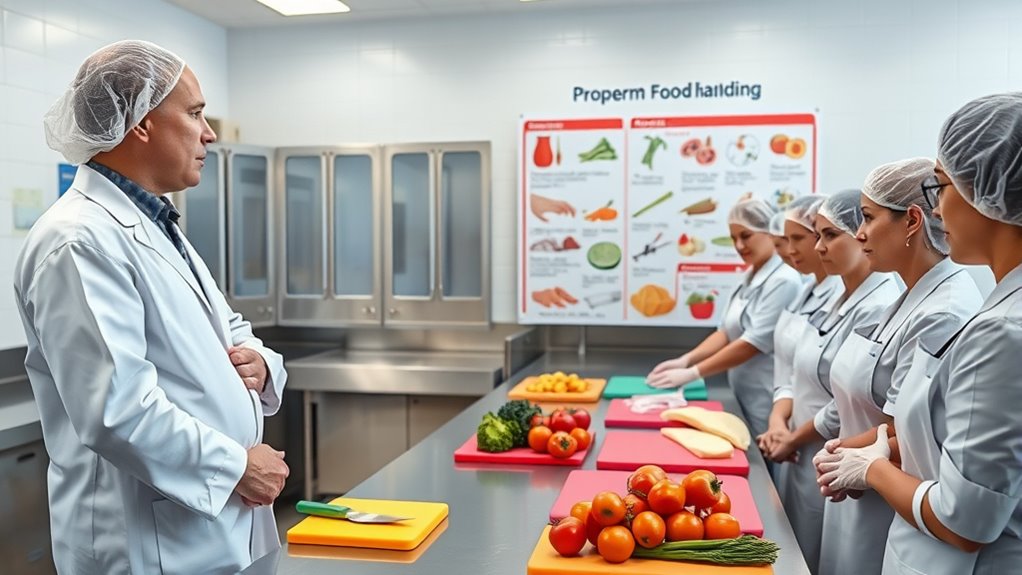
Training staff on food safety and handling is essential to prevent contamination and guarantee customer health. When your team understands proper hygiene protocols, they play a crucial role in maintaining a safe environment in your food establishment. Implementing comprehensive training ensures everyone knows how to minimize risks associated with foodborne illnesses and adheres to best practices for contamination prevention. This proactive approach not only protects your customers but also safeguards your reputation and reduces potential legal liabilities.
Proper staff training on food safety protects customers, safeguards reputation, and prevents foodborne illnesses.
Start by emphasizing the importance of hygiene protocols. Make sure your staff understands that proper handwashing, glove use, and personal cleanliness are non-negotiable steps in daily operations. Reinforce that hands should be washed thoroughly with soap and water for at least 20 seconds before handling food, after using the restroom, or touching any potentially contaminated surfaces. Consistent hand hygiene is one of the most effective contamination prevention measures. Additionally, instruct staff on proper glove use—changing gloves frequently and avoiding cross-contamination between raw and cooked foods. Personal cleanliness, including clean uniforms and hair restraints, also plays a vital role in maintaining hygiene standards.
Your training should cover the correct procedures for cleaning and sanitizing work surfaces, utensils, and equipment. Dirty surfaces are breeding grounds for bacteria and other pathogens, which can easily transfer onto food if not properly cleaned. Teach your team to follow a strict cleaning schedule, use appropriate cleaning agents, and verify that sanitizing solutions are at the correct concentrations. By instilling these routines, you reduce the risk of contamination and ensure that all food contact areas remain safe. Furthermore, understanding the horsepower of electric dirt bikes can serve as a useful analogy for understanding the importance of proper equipment handling in food safety procedures.
Another critical aspect is understanding how contamination occurs and how to prevent it. Educate your staff on common sources of contamination, such as raw meats, unwashed produce, and improper storage. Stress the importance of separating raw and cooked foods to avoid cross-contact, and ensure they know how to store ingredients at correct temperatures. Proper food handling techniques, like avoiding touching ready-to-eat foods with bare hands, help prevent the transfer of harmful microbes.
Regular training sessions and refresher courses are vital to keep hygiene protocols top of mind. Make sure your team stays updated on the latest food safety guidelines and practices. Use visual aids, checklists, and practical demonstrations to reinforce learning. When your staff comprehends the significance of contamination prevention and consistently applies hygiene protocols, you create a safer environment for everyone. This commitment to proper training and hygiene not only reduces health risks but also boosts customer confidence and loyalty.
Frequently Asked Questions
How Often Should Food Safety Training Be Refreshed?
You should refresh food safety training every 1 to 3 years, depending on your local regulations and the refresher intervals recommended by your industry standards. Regular training guarantees your staff stays updated on proper food handling procedures and safety protocols. Maintaining a consistent training frequency helps prevent contamination risks and keeps everyone informed about new practices, ultimately protecting your customers and your business from foodborne illnesses.
Are Online Training Programs as Effective as In-Person Sessions?
Online training programs can be effective, especially when combined with virtual assessments to test understanding. However, hands-on workshops often provide better practical skills and real-time feedback. To maximize effectiveness, consider blending virtual assessments with in-person sessions. This hybrid approach ensures your staff gains the necessary knowledge and practical experience, making food safety training both thorough and engaging, regardless of whether it’s delivered online or in person.
What Are the Common Barriers to Proper Food Handling Compliance?
You face barriers like language differences and staff turnover that hinder proper food handling compliance. For example, a restaurant with diverse staff struggles to guarantee everyone understands safety protocols due to language barriers. High staff turnover also leads to inconsistent training, making it tough to maintain standards. To overcome these issues, use multilingual training materials and implement ongoing education, ensuring all staff stay informed and compliant regardless of language or staffing changes.
How Can Staff Be Motivated to Follow Safety Protocols Consistently?
You can motivate staff to follow safety protocols consistently by implementing employee recognition and incentive programs. Recognize those who adhere to food safety standards regularly, which boosts morale and encourages others to follow suit. Offer rewards like certificates, bonuses, or extra breaks for consistent compliance. When staff feels valued and appreciated, they’re more likely to prioritize food safety, creating a culture of accountability and continuous improvement in handling practices.
What Are the Latest Regulations Impacting Food Safety Training Requirements?
Think of food safety regulations as the compass guiding your team through a changing sea. Latest updates emphasize the importance of food safety certifications, guaranteeing staff meet current standards. Stay ahead by regularly reviewing regulatory updates from agencies like the FDA and local health departments. By adapting your training to these evolving rules, you ensure your team navigates safely, maintaining compliance and protecting customers from potential hazards.
Conclusion
Think of training staff on food safety as tending a delicate garden. With careful attention and consistent nurturing, you cultivate a space where hazards are kept at bay and quality blooms. Every lesson learned is like watering the roots, strengthening your team’s ability to handle food confidently. Just as a garden flourishes with dedication, your commitment to training guarantees a safe, thriving environment where food safety becomes second nature, flourishing under your watchful care.
Evergreen bestsellers Picks
bestsellers
As an affiliate, we earn on qualifying purchases.