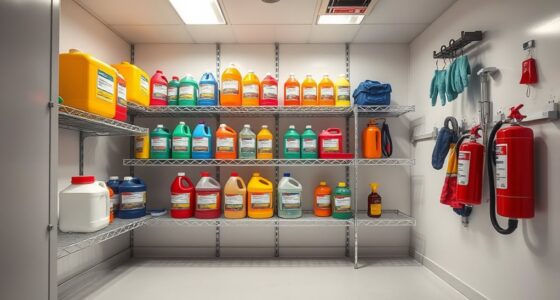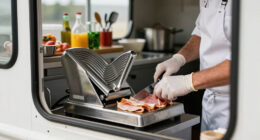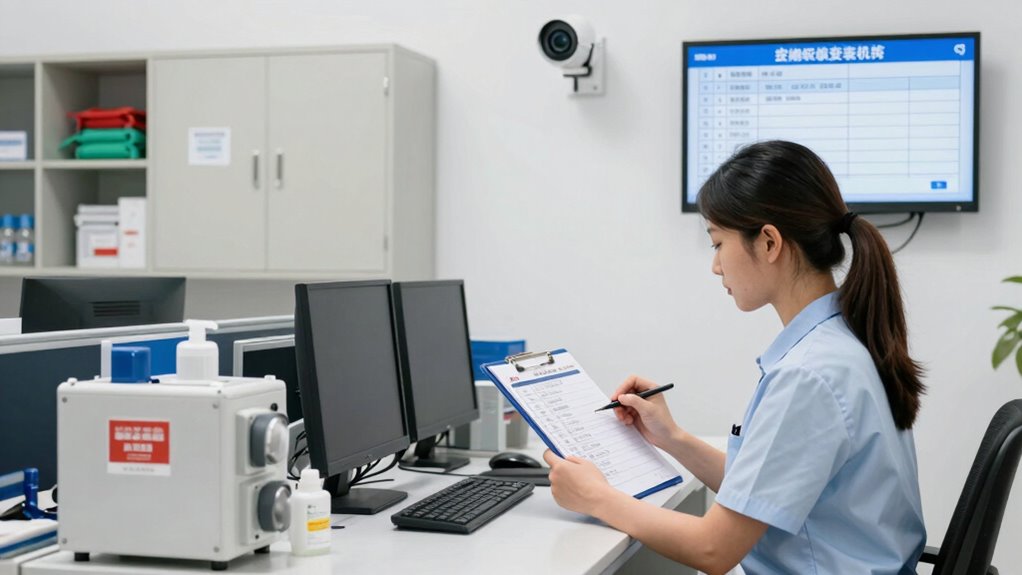

To create a safer closing routine, clearly outline each step, like securing doors, turning off equipment, and completing safety checks. Assign specific responsibilities to staff and emphasize the importance of following procedures. Train your team regularly to reinforce safety habits and accountability. Maintain logs for all inspections and safety measures. Consistent routines reduce risks, prevent accidents, and protect your assets. Keep going to discover more tips for building an all-encompassing, secure closing process.

Get kitchen staples and gadgets delivered free with Prime
- Fast, free delivery on millions of items
- Prime Video, Amazon Music and more included
- Member-only deals all year
Key Takeaways
- Develop a detailed, step-by-step closing checklist for staff to follow consistently.
- Assign specific safety and equipment tasks to designated team members for accountability.
- Conduct regular training on proper shutdown procedures and safety protocols.
- Perform routine equipment inspections and maintain logs to identify potential hazards early.
- Verify all safety measures, including security systems and equipment shutdown, are completed before closing.
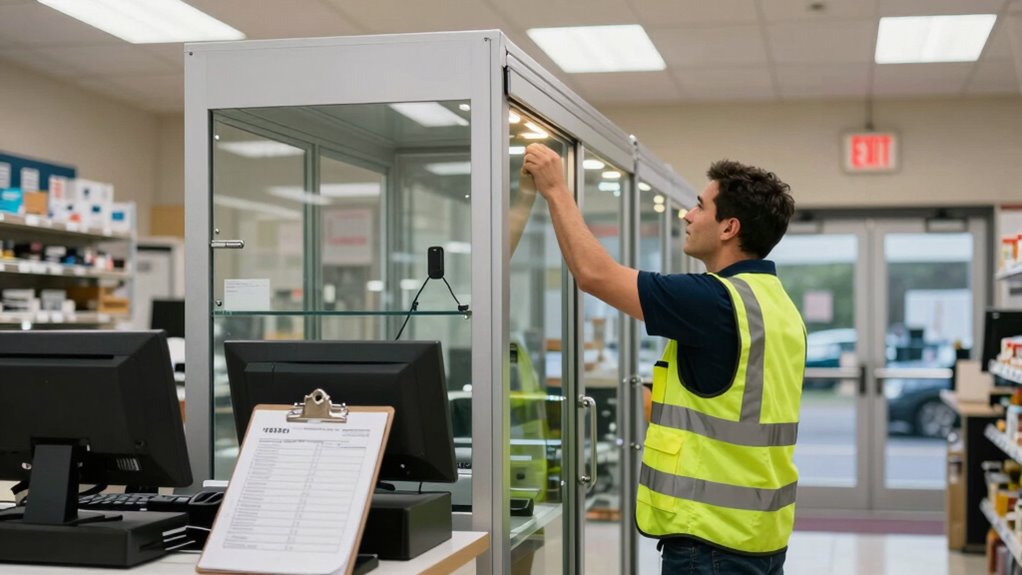
Closing your business safely is essential to protect your staff, customers, and assets. A well-structured closing routine guarantees every task gets completed thoroughly and consistently, reducing risks and safeguarding your operations. To create an effective routine, start by clearly defining each step involved in closing your business. This includes securing the premises, turning off equipment, and completing necessary paperwork. When you establish a detailed checklist, your team can follow it confidently, minimizing the chance of oversights that could lead to safety hazards or equipment damage.
Employee accountability plays a crucial role in maintaining a safe closing process. Every team member must understand their responsibilities and be held accountable for completing their assigned tasks. Encourage a culture where staff take pride in their work and recognize the importance of adhering to safety protocols. Regular training sessions can reinforce these standards, ensuring everyone knows how to properly shut down equipment and secure the premises. When accountability is clear, you create a sense of ownership that motivates staff to be diligent and consistent, reducing errors and potential safety incidents.
Clear accountability and regular training foster a safety-conscious team committed to secure, consistent closing procedures.
Equipment maintenance is another essential element in creating a safer closing routine. Before closing, make sure all equipment is properly turned off and unplugged where necessary. Regular maintenance schedules can help prevent malfunctions that might pose safety risks or cause costly repairs. Train your staff on how to inspect equipment for signs of wear or damage before shutting down. This proactive approach helps catch issues early, avoiding unexpected breakdowns that could compromise safety or lead to equipment failure after hours. Additionally, maintaining a log of equipment checks can promote accountability and serve as a record for future maintenance or audits. Regularly updating these logs ensures that all safety protocols are consistently followed and documented. Incorporating safety checks, such as verifying that all lights are off, doors are locked, and security systems are activated, is essential for a comprehensive closing process. This not only reinforces safety but also aligns with best practices for maintaining a secure environment, especially when considering indoor air quality and ventilation needs during off-hours.
Assign specific team members to complete these checks, and document their completion to reinforce accountability. This documentation creates a clear record that all safety procedures were followed, which can be essential in case of future inspections or incidents. By integrating these steps—establishing clear responsibilities, emphasizing employee accountability, and prioritizing equipment maintenance—you build a thorough closing routine that minimizes risks and protects your business assets.
Ultimately, a consistent, well-organized closing routine helps guarantee every aspect of your business is secure and in good working order. When your staff understands their roles and takes responsibility, and when equipment is properly maintained, you reduce the chances of accidents, theft, or costly repairs. This proactive approach not only safeguards your assets but also sets a standard of safety and professionalism that benefits everyone involved.
business safety checklist clipboard
As an affiliate, we earn on qualifying purchases.
As an affiliate, we earn on qualifying purchases.
Frequently Asked Questions
How Often Should Staff Review Safety Protocols During Closing?
You should review safety protocols at least weekly during closing to strengthen your safety culture and guarantee staff stay informed. Regular reviews help identify new risks through ongoing risk assessments, keeping procedures current and effective. By maintaining consistent communication about safety, you empower your team to stay vigilant, reduce accidents, and foster a proactive environment where safety is an integral part of your closing routine.
What Emergency Equipment Should Be Checked Daily During Closing?
Did you know that daily checks of emergency equipment can reduce response times by 30%? During closing, you should check fire extinguishers, first aid kits, emergency lighting, and alarms. Incorporate quick safety audits and emergency drills into your routine to guarantee equipment works properly. This proactive approach keeps staff prepared and minimizes risks, ensuring everyone’s safety at the end of each day.
How Can Staff Identify Potential Safety Hazards Before Closing?
You can enhance safety awareness by conducting thorough hazard identification before closing. Walk through the area, looking for potential safety hazards like spills, obstacles, or damaged equipment. Encourage staff to stay alert and report concerns immediately. Use checklists to guarantee nothing is overlooked, and promote a safety-first mindset. Regular hazard identification helps prevent accidents, keeping everyone safe and ensuring a smooth, secure closing routine.
What Training Is Necessary for New Staff on Closing Procedures?
You need to train new staff on clear closing procedures, emphasizing customer communication and inventory management. Show them how to politely inform customers about closing times, handle last-minute questions, and guarantee all items are accounted for. Teach them to double-check inventory, secure cash registers, and lock doors. Reinforce safety protocols and encourage questions. This training helps staff close efficiently, safely, and confidently, reducing risks and maintaining a positive customer experience.
How Should Equipment Malfunctions Be Reported at Closing?
Did you know that 30% of equipment malfunctions go unreported, risking safety? When reporting malfunctions at closing, you should promptly communicate issues to your supervisor and document the malfunction clearly. Use equipment communication tools to relay details accurately, ensuring proper follow-up. Proper malfunction documentation helps prevent future problems and maintains safety standards, so always report issues immediately and record them thoroughly to keep everyone safe and equipment reliable.
security system for small business
As an affiliate, we earn on qualifying purchases.
As an affiliate, we earn on qualifying purchases.
Conclusion
By adopting a thorough closing routine, you’re not just ticking boxes—you’re safeguarding your staff and equipment. Remember, a stitch in time saves nine, so don’t rush through the steps. Consistency and attention to detail keep everyone safe and your gear in top shape. Make safety a priority every day, and you’ll avoid headaches down the road. When you close up right, you’re setting the stage for a safer tomorrow.
As an affiliate, we earn on qualifying purchases.
As an affiliate, we earn on qualifying purchases.
Fall Picks
fall essentials
As an affiliate, we earn on qualifying purchases.