TL;DR

Get kitchen staples and gadgets delivered free with Prime
- Fast, free delivery on millions of items
- Prime Video, Amazon Music and more included
- Member-only deals all year
Food-safety experts say a best-by date generally signals when quality may begin to decline, not an automatic safety cutoff. Sell-by dates are aimed at retailers, while consumers should also consider the food, packaging, storage conditions and signs of spoilage; infant formula is a key exception.
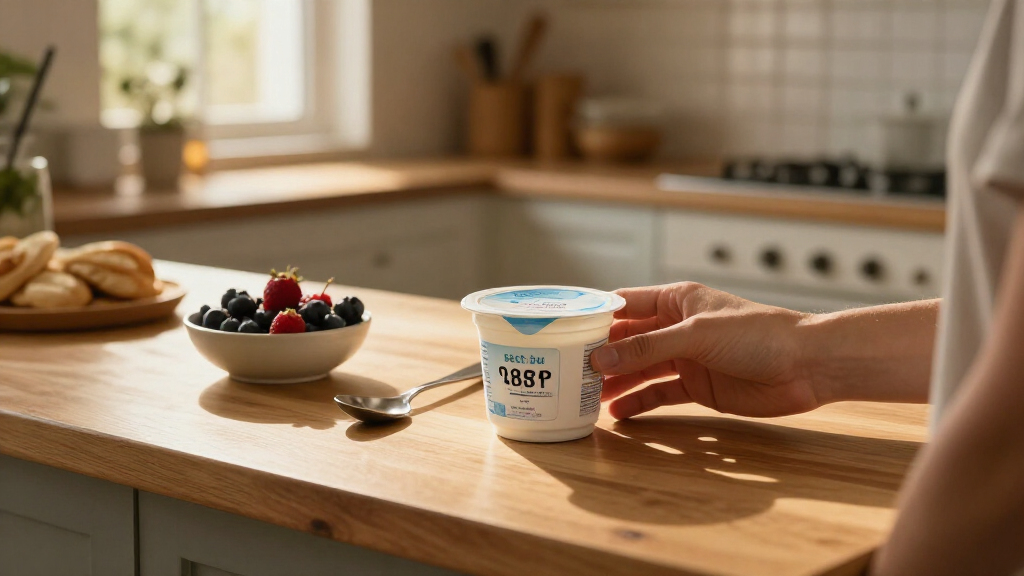
Best-by dates do not automatically mean food becomes unsafe once the printed day passes, according to food-safety experts quoted in a Good Housekeeping report. The label generally concerns freshness and quality, while sell-by dates are meant to guide retailers; whether a food is safe also depends on the product, how it was stored and whether it shows signs of spoilage.
Food labels use different wording for different purposes. Food safety and policy expert Dr. Darin Detwiler describes a sell-by date as a guide for stores managing stock rotation. A best-by date, he says, indicates when a product may begin to lose freshness. The report distinguishes those labels from use-by or freeze-by dates, which it describes as safety-related dates under the cited legislation.
Some shelf-stable foods—including dry grains, bottled goods and many canned products—may remain safe after a best-by date if they have been stored properly and their packaging is intact. Good Housekeeping Chief Food Director Kate Merker advises avoiding cans that are dented, rusty or bulging. Even when food remains safe, its taste and texture can deteriorate over time; frozen food can also lose quality during extended storage.
Good Housekeeping Nutrition Director Stefani Sassos advises checking for mold, unusual odors, flavors or textures, as well as considering whether food was handled and stored correctly. The report cautions against treating sensory checks as a substitute for care with foods that require closer attention. Sassos specifically names infant formula as a product for which consumers should not disregard the date, and advises close attention to meat, poultry and dairy dates and spoilage signs.
Date Labels Shape Household Waste
Confusion over packaging dates can lead people to discard food that may still be usable, while treating a date as irrelevant can create safety risks. The report cites an estimate that nearly 120 billion pounds of food are wasted annually in the United States and a ReFED study attributing up to 7% of U.S. food waste to confusion about food labels. Those figures describe the source’s cited estimates; the supplied material does not give the study’s date or methods.
Clearer understanding can help consumers distinguish a freshness recommendation from a retailer’s stock-management label. It does not establish that every item is safe past its date: storage, packaging condition and the type of food remain relevant. The practical stakes are both reducing avoidable waste and avoiding consumption of food that has spoiled or requires stricter date guidance.
Products Worth Considering

Instant Pot Vortex Plus 10-Quart 7-in-1 Air Fryer Oven

Vitamix 5200 Professional-Grade Blender, 64 oz. Container, Black

Instant Pot Pro 8-Quart 10-in-1 Electric Pressure Cooker, Black
As an affiliate, we earn on qualifying purchases.
California Moves to Simplify Labels
California recently became the first state to ban sell-by dates on most food packaging, according to the report. The stated aim is to reduce food waste by removing a label that consumers may mistake for a deadline for safe consumption. The supplied source says other states have introduced bills or similar policy initiatives to simplify date labeling.
The report does not provide the law’s effective date, exact coverage or implementation details. Its discussion is therefore a snapshot of a broader policy effort, alongside practical advice from food and nutrition experts. It does not say that all date labels have been eliminated or that best-by dates are safety guarantees.
“A sell-by date is “literally about stock rotation.””
— Dr. Darin Detwiler, food safety and policy expert, as quoted by Good Housekeeping
Safety Depends on Food and Storage
The guidance does not establish a single safe number of days or months for eating every food after its best-by date. The supplied report offers broad examples, not product-by-product limits, and does not specify storage temperatures or how long particular items remain safe once opened. A best-by label alone cannot confirm that food is safe, and the absence of visible spoilage does not settle every food-safety question.
The report also does not provide the underlying ReFED study details or the text of California’s law. Consumers should follow product-specific directions and applicable food-safety guidance, especially for infant formula and perishable foods. If packaging is damaged or food has an off odor, mold, discoloration or an unusual texture, the experts advise discarding it rather than taking a chance.
Watch Label Policy and Guidance
The supplied material does not identify a next legislative vote, implementation milestone or new government guidance. Further developments to watch include how California’s sell-by-date policy is applied and whether other states advance similar proposals. For consumers, the immediate step is to read the type of date on the package, store food as directed and assess the food and its packaging rather than relying on a best-by date alone.
Key Questions
Does a best-by date mean food is unsafe the next day?
Not necessarily. The experts cited say a best-by date generally indicates when freshness may begin to decline. Safety still depends on the food, its storage and its condition.
What does a sell-by date mean?
According to food-safety expert Darin Detwiler, it is a retailer stock-rotation guide, not a direct instruction to consumers to discard the food that day.
Which foods need extra caution after their date?
The report specifically warns consumers not to disregard the date on infant formula. It also advises close attention to meat, poultry and dairy, including checking for spoilage and following product guidance.
How can I check for spoilage?
Look for mold, unusual odors, discoloration and changes in texture, and check whether packaging is damaged. The experts advise discarding food when there are signs it has spoiled or when you are unsure.
Can food past its best-by date lose nutritional value?
It can, depending on the food and how it is stored. Sassos says exposure to light and air may reduce some nutritional benefits, particularly for food that has been open, though the report says the change is not generally a reason to lose sleep over it.
Source: goodhousekeeping.com