
TL;DR
The USDA has issued a food safety alert concerning chicken sold in nine states, citing possible contamination. The alert aims to prevent health risks from consuming the affected products. Details on the source and scope are still emerging.
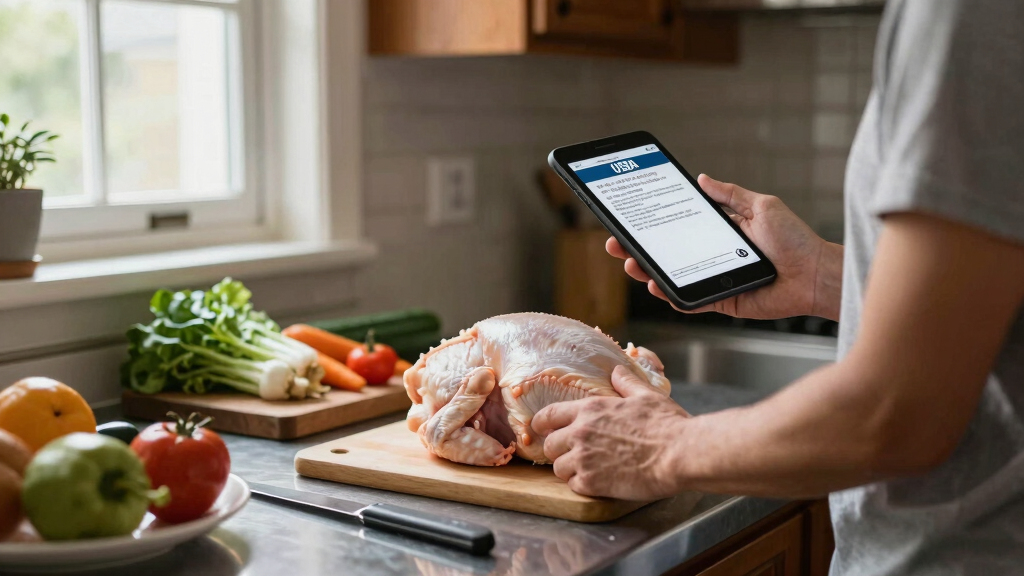
The United States Department of Agriculture (USDA) has issued a food safety alert concerning chicken sold in nine states due to potential contamination risks. This alert was announced on March 2024 and aims to protect consumers from possible foodborne illnesses linked to these products. The alert underscores the importance of checking for specific lot numbers and recalls issued by the USDA.

Get kitchen staples and gadgets delivered free with Prime
- Fast, free delivery on millions of items
- Prime Video, Amazon Music and more included
- Member-only deals all year
The USDA’s Food Safety and Inspection Service (FSIS) identified certain batches of chicken that may be contaminated with bacteria such as Salmonella or Listeria. The affected states include California, Texas, Florida, Illinois, Ohio, Pennsylvania, Georgia, North Carolina, and Michigan. The alert covers chicken products distributed through multiple retail chains and food service outlets, with specific lot numbers provided by the USDA for consumer identification.
According to the USDA, no confirmed cases of illness have been reported yet, but the risk of infection warrants a precautionary recall. Consumers are advised to check their chicken packaging for the lot codes listed on the USDA website and to dispose of any products matching those codes. The USDA emphasizes that proper cooking—internal temperatures of 165°F—can eliminate bacteria, but cross-contamination remains a concern.
Implications for Consumer Food Safety and Public Health
This alert highlights ongoing challenges in ensuring food safety within the poultry supply chain. Contaminated chicken poses a risk of foodborne illnesses, which can be severe, especially for vulnerable populations. The alert encourages consumers to be vigilant, and it underscores the importance of proper food handling, storage, and cooking practices. The development may also prompt retailers and producers to review safety protocols to prevent future contamination incidents, impacting supply chain operations and regulatory oversight.Products Worth Considering

KitchenAid Dual Smart Wireless Rechargeable Thermometers, KTH12BM

Le Creuset Stainless Steel Roasting Pan with Nonstick Rack, 16.25 x 13.25 in

Vitamix Nano Personal Blender with SmoothiePilot Technology, Black
As an affiliate, we earn on qualifying purchases.
Recent Trends in Poultry Safety Incidents
Food safety agencies, including the USDA, have periodically issued recalls and alerts related to poultry contamination over the past few years, often linked to Salmonella outbreaks. This latest alert follows similar incidents where contaminated chicken was linked to illness outbreaks, prompting increased scrutiny of poultry processing plants. The USDA has been working to improve inspection protocols, but contamination still occurs in some batches, leading to consumer recalls and alerts like this one.
The nine states affected are part of a broader national effort to monitor and respond to food safety risks. In recent months, there have been multiple recalls of poultry products, reflecting ongoing challenges in maintaining strict safety standards across the industry.
“Consumers should check their chicken products for specific lot numbers and follow USDA guidance to prevent illness.”
— USDA Food Safety and Inspection Service
Extent of Contamination and Confirmed Cases Still Unclear
It is not yet clear how widespread the contamination is beyond the nine states listed or whether specific brands or processing plants are primarily involved. No confirmed cases of illness have been reported so far, but investigations are ongoing to determine the source and scope of the contamination. The USDA has not disclosed detailed testing results or the exact number of affected packages.
Ongoing Investigations and Consumer Advisory Updates Expected
The USDA plans to conduct further inspections of poultry processing facilities linked to the affected batches. Retailers and consumers are advised to stay updated through USDA notices and to follow recall instructions carefully. Additional recalls or safety alerts may be issued as investigations progress, and authorities will monitor reports of illnesses linked to the contaminated chicken. Consumers should remain vigilant and adhere to safe food handling practices.
Key Questions
Which brands or stores are affected by this USDA alert?
The USDA has not specified particular brands or stores but has provided lot numbers and distribution regions. Consumers should check their packaging for lot codes listed on the USDA website.
How can I tell if my chicken is part of the recall?
Check the packaging for lot numbers matching those specified by the USDA. The alert provides detailed lot codes and distribution information online.
What should I do if I have affected chicken at home?
Consumers should dispose of any chicken matching the lot numbers in the USDA alert. Properly cook chicken to an internal temperature of 165°F to eliminate bacteria, and wash hands and surfaces thoroughly to prevent cross-contamination.
Are there health risks if I cook the chicken properly?
Cooking chicken to the recommended temperature generally kills bacteria. However, cross-contamination during handling can still pose risks, so proper hygiene is essential.
Will there be more alerts or recalls related to this issue?
The USDA is continuing investigations and may issue additional alerts or recalls as new information becomes available.
Source: google-trends