
TL;DR

Get kitchen staples and gadgets delivered free with Prime
- Fast, free delivery on millions of items
- Prime Video, Amazon Music and more included
- Member-only deals all year
The USDA has recalled approximately 30,000 pounds of Argentine beef sold in Texas and Florida after potential safety issues were identified. No confirmed illnesses have been reported, but the recall aims to prevent possible health risks.
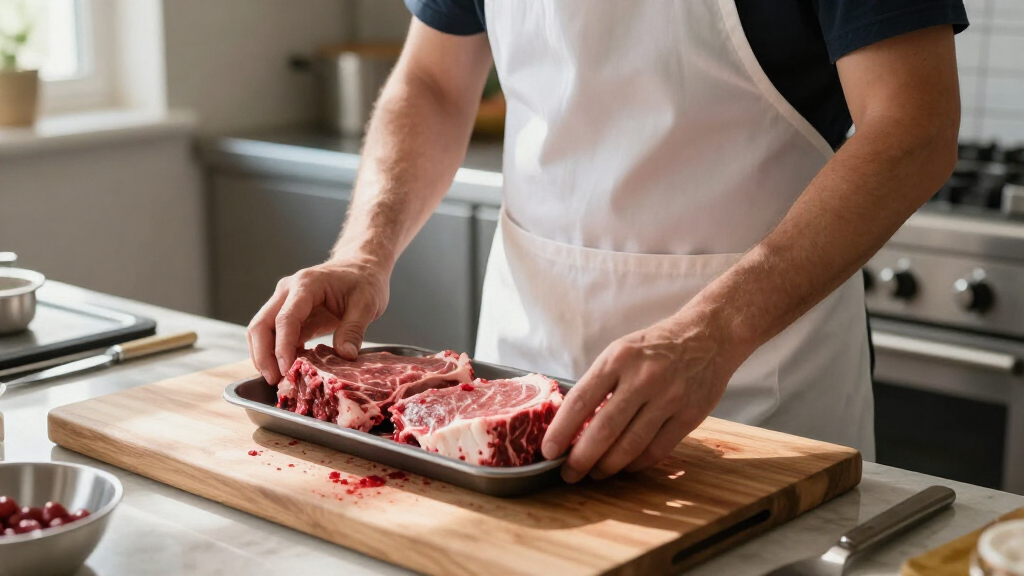
The United States Department of Agriculture (USDA) has issued a recall for approximately 30,000 pounds of Argentine beef that was sold in select markets across Texas and Florida. The recall was prompted by potential food safety concerns linked to the product, although no illnesses have been officially reported. This development is significant for consumers and retailers, as it highlights ongoing efforts to ensure food safety and prevent potential health risks associated with imported meat products.
The USDA’s Food Safety and Inspection Service (FSIS) announced the recall late Tuesday after identifying issues related to the beef’s processing or labeling that could pose a health risk. The affected beef was distributed to various retail outlets in Texas and Florida over the past few weeks, according to the USDA. The recalled product is primarily beef cuts imported from Argentina, a country that has faced scrutiny over certain meat safety standards in the past.
According to the USDA, the recall was initiated after routine testing or consumer complaints raised concerns about possible contamination or mislabeling. The specific nature of the safety concern has not been publicly detailed, but the USDA emphasized that the recall is a precautionary measure to prevent any potential health issues. The affected products bear specific lot codes and packaging dates, which are being used to identify and remove the contaminated or suspect meat from the supply chain.
Retailers and consumers are advised to check their purchases carefully. The USDA has urged consumers who purchased Argentine beef products matching the recall details to discard the meat or return it to the point of purchase for a refund. The agency also stated that no confirmed cases of foodborne illness linked to this product have been reported so far.
Why the Argentine Beef Recall Matters for Consumers
This recall underscores the ongoing importance of food safety oversight, especially concerning imported meat products. While no illnesses have been linked to this specific batch, the recall demonstrates the USDA’s proactive approach to preventing potential outbreaks of foodborne illnesses. For consumers, it highlights the need to stay vigilant about product recalls and to follow guidance on checking packaging and labels. For the meat industry, it emphasizes the importance of strict adherence to safety standards and transparent communication during recall events, which can impact public trust and market stability.
As an affiliate, we earn on qualifying purchases.
Background on Argentine Beef Imports and Food Safety Oversight
Argentina is one of the major exporters of beef to the United States, with the USDA regularly inspecting imported meat for safety and compliance with U.S. standards. Over recent years, there have been sporadic concerns regarding the safety practices in some Argentine meat processing facilities, prompting increased scrutiny and testing by U.S. authorities. The current recall follows a series of inspections and quality checks aimed at ensuring imported beef meets the necessary health standards. Historically, meat recalls in the U.S. have been prompted by issues such as contamination with bacteria like Salmonella or E. coli, mislabeling, or packaging errors. This latest recall aligns with the USDA’s ongoing efforts to monitor imported food products and protect public health.
“The recall is a precautionary measure to ensure consumer safety. We are actively investigating the source and extent of the issue.”
— USDA Food Safety and Inspection Service
As an affiliate, we earn on qualifying purchases.
Details Still Unclear on the Nature of the Safety Issue
It remains unclear what specific safety concern prompted the recall—whether it involves contamination, mislabeling, or other processing issues. The USDA has not publicly disclosed detailed findings or the exact nature of the potential health risk, citing ongoing investigations. Additionally, it is not yet confirmed whether any illnesses or adverse health effects have resulted from the affected beef, as no reports have been officially linked to this product so far.
refrigerator meat storage containers
As an affiliate, we earn on qualifying purchases.
As an affiliate, we earn on qualifying purchases.
The USDA and retailers will continue to identify and remove all affected products from shelves. Consumers who purchased the recalled beef are advised to check their packaging for lot codes and discard or return the product. Authorities are expected to release more detailed findings once their investigation concludes, including any potential health risks and recommendations for consumers. Retailers are also expected to update their inventory and cooperate with USDA directives to ensure public safety.
As an affiliate, we earn on qualifying purchases.
Key Questions
How can I identify if my beef is part of the recall?
Check the packaging for specific lot codes and labeling details provided by the USDA. If your beef matches the recalled product information, discard or return it.
Are there any reported illnesses related to this recall?
No, the USDA has not confirmed any illnesses linked to the affected beef so far, but consumers are advised to follow recall instructions for safety.
What should I do if I purchased the recalled beef?
Consumers should discard the product or return it to the place of purchase for a refund. Contact local authorities or the retailer for further guidance.
Will there be more recalls related to this issue?
The USDA is currently investigating the safety concern, and further actions may be taken depending on their findings. Stay updated through official channels.
Is Argentine beef safe to eat generally?
Argentine beef is generally considered safe when imported and processed in compliance with U.S. standards. This recall is specific to a particular batch under investigation and does not reflect the overall safety of Argentine beef.
Source: hn
Halloween Picks
halloween
As an affiliate, we earn on qualifying purchases.