
TL;DR

Get kitchen staples and gadgets delivered free with Prime
- Fast, free delivery on millions of items
- Prime Video, Amazon Music and more included
- Member-only deals all year
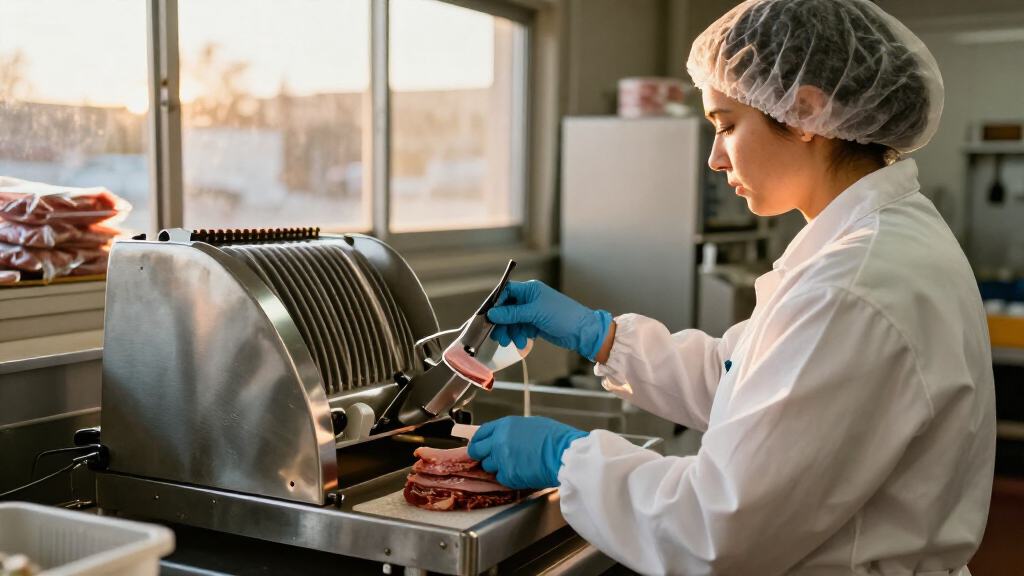
The USDA’s Food Safety and Inspection Service plans to expand Listeria testing at establishments that process ready-to-eat deli meats. Beginning in January 2027, inspectors will add four environmental swabs to existing product sampling as the program is phased in across nine districts.
The U.S. Department of Agriculture’s Food Safety and Inspection Service will expand Listeria sampling at establishments that process ready-to-eat deli meats, adding environmental surface swabs to product samples collected under its existing program. FSIS plans to phase in the nationwide program across its nine districts from January through March 2027, increasing routine monitoring of surfaces where contamination could persist.
Under the new program, in-plant inspectors will collect four environmental swabs when they take ready-to-eat product samples: two from food-contact surfaces and two from surfaces that do not directly touch food. Each sample will be tested for Listeria monocytogenes and other Listeria species. If a sample detects L. monocytogenes, FSIS will use whole genome sequencing and compare the result with reported illnesses or historical test results.
The nationwide effort follows a pilot in FSIS’s Alameda, Chicago and Raleigh districts. Food Safety News reported that results from the pilot had not been published as of its October 2026 report. FSIS says it will train inspectors responsible for collecting samples, as well as their supervisors, during the phased rollout.
Previously, environmental sampling was generally conducted through specialized activities by Enforcement, Investigations, and Analysis Officers, at irregular intervals. The new approach assigns a limited number of environmental samples to in-plant inspectors on a more regular basis, alongside product sampling already taking place.
More Routine Checks for Listeria
The expanded program is intended to help FSIS identify possible Listeria harborage sites and evaluate sanitation at individual establishments, while also building information about patterns across the industry. Surface testing can flag contamination in places that product testing alone may not reveal; the agency says it plans to use findings to work with establishments on corrective actions addressing root causes.
The change follows the deadly 2024 Listeria outbreak traced to Boar’s Head deli meat. A review of records, according to Food Safety News, found a history of food-safety failures at the company’s Jarrett, Virginia, facility that had not been resolved despite inspectors repeatedly documenting violations. The new sampling is one part of a broader series of FSIS changes to oversight of Listeria in ready-to-eat facilities. It does not, by itself, establish that contamination has been found at any particular plant or that the program will prevent future outbreaks.
For consumers, the practical importance is stronger routine monitoring of facilities making foods that are ready to eat and do not require cooking before consumption. For processors, the program means preparing to respond to additional environmental results and investigating findings rather than treating them as isolated test outcomes.
Listeria testing kits for food processing plants
As an affiliate, we earn on qualifying purchases.
As an affiliate, we earn on qualifying purchases.
From Pilot to National Rollout
The three-district pilot provided the basis for FSIS’s move to a nationwide program, but its results have not been made public in the source report. That means the reported announcement describes the planned sampling design and schedule, not evidence about how often the pilot found Listeria or what changes it prompted.
FSIS says the broader approach is part of changes to its oversight of ready-to-eat facilities after the Boar’s Head outbreak. Under the planned program, inspectors will take environmental and product samples at the same time. The agency’s stated aim is to combine facility-level information with a view of national trends, while using sequencing results to compare detected pathogens with illness reports and historical results.
FSIS has also advised companies under its jurisdiction that produce ready-to-eat products to review environmental monitoring records, corrective-action and root-cause investigation practices, and their ability to interpret whole genome sequencing results. Businesses may update their programs or conduct self-evaluations before enhanced sampling begins.
““Broader sampling and more data ultimately means safer food.””
— Food Safety and Inspection Service
environmental surface swab testing kits
As an affiliate, we earn on qualifying purchases.
As an affiliate, we earn on qualifying purchases.
Pilot Findings Remain Unpublished
The source report says FSIS had not published the pilot program’s results. It is therefore not clear how frequently the pilot detected Listeria, whether it identified particular sanitation problems, or what changes participating establishments made. The report also does not specify how many facilities will be sampled, how often each facility will receive environmental sampling, or what actions will follow findings other than the stated use of sequencing and work with establishments.
The announced rollout schedule is for January through March 2027, but the report does not give district-by-district dates or say whether the timetable could change. No results from the future nationwide program are available yet.
food contact surface sanitation test kits
As an affiliate, we earn on qualifying purchases.
As an affiliate, we earn on qualifying purchases.
Training and Preparation Before 2027
FSIS plans to train inspectors and supervisors and phase in sampling across its nine districts between January and March 2027. In advance, processors can review environmental monitoring records, their procedures for investigating root causes and corrective actions, and whether they can understand and assess whole genome sequencing results.
The next useful public milestones will be details about the rollout, publication of pilot findings, and eventual reporting on results from the expanded program. Until those are available, the announced policy establishes the sampling approach and timetable, but not its measured effect on contamination or food safety outcomes.
As an affiliate, we earn on qualifying purchases.
Key Questions
What is changing in USDA testing of deli meat processors?
FSIS inspectors will add four environmental swabs when collecting ready-to-eat product samples: two from food-contact surfaces and two from non-food-contact surfaces. The swabs will be tested for Listeria monocytogenes and other Listeria species.
When will the expanded sampling begin?
FSIS plans a phased rollout across its nine districts from January through March 2027. The report does not provide specific dates for individual districts.
What happens if inspectors detect Listeria monocytogenes?
FSIS says it will perform whole genome sequencing on a detected sample and compare it with reported illnesses or historical results. The agency says it intends to work with establishments on corrective actions that address root causes or harborage sites.
Are the results of the pilot program available?
Not according to the October 2026 source report, which says the pilot’s results from the Alameda, Chicago and Raleigh districts had not been published.
Why is FSIS expanding Listeria sampling?
The agency says environmental sampling can help identify potential Listeria harborage sites, assess sanitation at individual plants, and provide information about broader trends. The changes follow the deadly 2024 outbreak traced to Boar’s Head deli meat.
Source: rss
Fall Picks
fall essentials
As an affiliate, we earn on qualifying purchases.