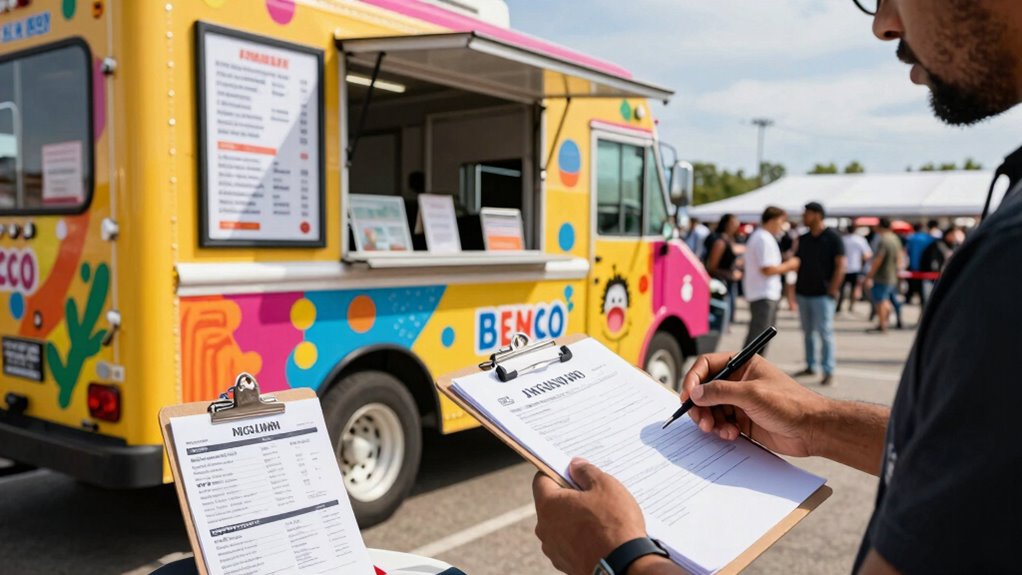

Before signing a venue agreement, clarify parking rules, permits, and restrictions to avoid penalties. Confirm insurance requirements, including liability coverage and additional policies. Understand setup and teardown times, utility access, and signage restrictions. Make sure you know who’s responsible for waste disposal and cleaning, as well as scheduling and cancellation policies. Clarifying these details upfront helps prevent surprises and protects your profits. Keep these points in mind, as there’s more to take into account for smooth operations.

Get kitchen staples and gadgets delivered free — and shop member deals
- Fast, free delivery on millions of items
- Access to Prime Big Deal Days deals on October 6–7
- Prime Video, Amazon Music and more included
Key Takeaways
- Confirm designated parking spots, setup times, and restrictions to avoid penalties or towing issues.
- Verify insurance requirements, including liability and coverage limits requested by the venue.
- Understand venue rules on utilities, signage, waste disposal, and operational access.
- Clarify payment terms, deposit requirements, revenue sharing, and cancellation policies.
- Ensure compliance with local parking laws, permits, and any special fees applicable to food trucks.
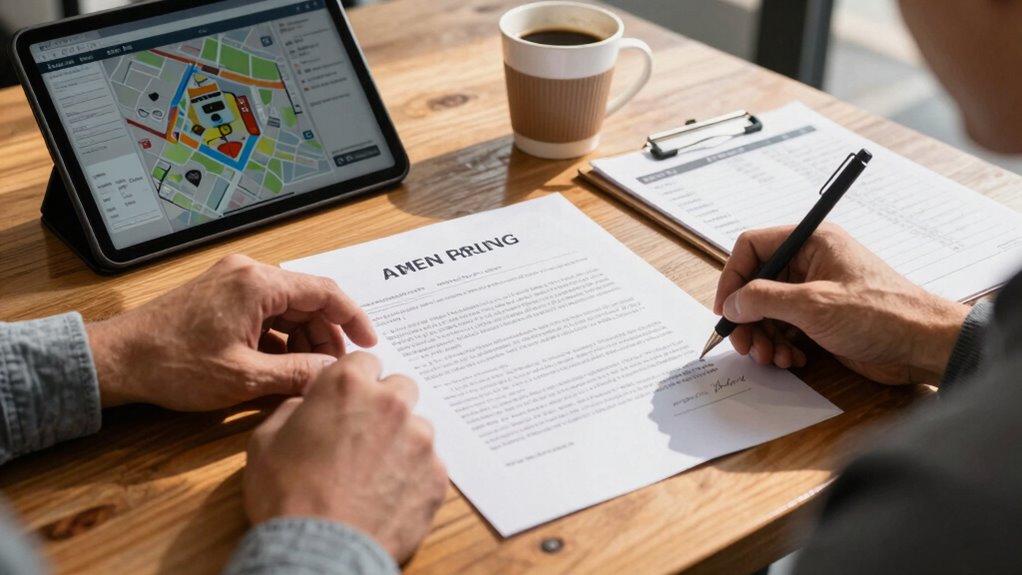
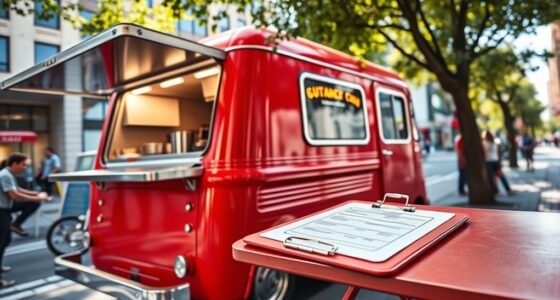
When you operate a food truck, securing a solid venue agreement is essential to guarantee smooth and profitable events. Before signing any contract, you need to clarify key details that can impact your daily operations and your bottom line. One critical aspect to understand is the parking regulations at the venue. Some locations have strict rules about where and when you can park your truck, including designated spots, time limits, or restrictions on certain days or hours. Knowing these details upfront prevents surprises that could disrupt your service or lead to penalties. Confirm whether there’s a designated parking area for food trucks, and if parking permits or special fees are required. Understanding these regulations helps you plan your setup and ensures you’re compliant with local laws, avoiding fines or towing issues. Additionally, verifying local laws and regulations can help ensure your operations remain within legal boundaries and prevent potential violations. Be sure to also inquire about any permit requirements that might be necessary for your specific location, as these can vary widely by area.
Understanding parking rules and permits ensures smooth operation and compliance at your food truck venue.
Having a clear understanding of venue-specific rules can also influence your choice of location and scheduling, helping you optimize your business operations. Insurance requirements are another essential point to clarify before sealing the deal. Most venues will have specific insurance obligations, such as liability coverage to protect against accidents or damages that might occur during your event. Some agreements specify the minimum coverage amounts you must carry, and failing to meet these standards can invalidate your contract or leave you vulnerable to costly claims. Ask the venue whether they require additional insurance, like worker’s compensation or vehicle coverage, and get copies of their insurance policies if needed. It’s wise to review your current policies with your insurance provider to verify that you meet or exceed the venue’s requirements. This step helps you avoid legal complications and ensures you’re protected against potential liabilities. Being aware of venue-specific insurance standards can help you prepare thoroughly and avoid surprises during your event.
Beyond parking and insurance, you should also clarify the terms related to setup and teardown times, access to power and water, and any restrictions on signage or branding. Make sure the agreement specifies who is responsible for waste disposal and cleaning afterward. If the venue hosts multiple events, understand how scheduling conflicts might affect your availability. Also, discuss cancellation policies and what penalties, if any, apply if you need to reschedule or cancel your reservation. Clarifying these operational details early can prevent misunderstandings and ensure a smooth event flow.
Finally, don’t overlook the importance of understanding the payment terms, including any deposits, rental fees, or revenue sharing agreements. Clarifying these financial details beforehand prevents misunderstandings that could strain your relationship with the venue or impact your profitability. When you’re thorough about these key points—parking regulations, insurance requirements, and other operational details—you set yourself up for a successful, headache-free event. Being proactive in clarifying these issues before signing ensures your food truck operates smoothly, compliantly, and profitably at every venue.
food truck parking permit holder
As an affiliate, we earn on qualifying purchases.
As an affiliate, we earn on qualifying purchases.
Frequently Asked Questions
Are There Any Restrictions on Menu Items or Food Types?
You should check for any restrictions on menu items or food types in your venue agreement. Clarify if there’s limited menu flexibility or specific food restrictions you need to adhere to. Some venues may restrict certain cuisines or require approval for menu changes. Understanding these rules upfront helps you plan your menu accordingly, avoid potential issues, and ensure your food truck operates smoothly within the venue’s guidelines.
What Are the Specific Hours and Days Allowed for Operation?
You should confirm the operational hours and days allowed for your food truck. Clarify if there are specific time slots or days when you can operate, ensuring your schedule aligns with the venue’s expectations. Also, ask about any menu restrictions that might influence your hours, like limited access during certain times. Knowing these details helps you plan effectively, avoid conflicts, and maximize your business opportunities at the venue.
Is There a Provision for Handling Customer Complaints or Disputes?
Think of this agreement as your culinary shield. You should guarantee it includes a clear dispute resolution process for customer feedback and complaints. This way, you know how conflicts are handled calmly and fairly, avoiding chaos. Clarify if you’re responsible for resolving disputes or if the venue steps in. Having these provisions in writing protects your reputation and helps you maintain a smooth operation, even when disagreements arise.
Are There Any Penalties for Early Termination of the Agreement?
Yes, there are often penalties for early termination of the agreement. Contract termination clauses typically specify these penalties, which may include fees or loss of deposits. It’s vital that you understand any penalty clauses before signing, so you’re aware of potential costs if you need to end the contract early. Clarify these details with the venue to avoid surprises and make certain you’re comfortable with the terms.
How Is Liability and Insurance Coverage Addressed in the Contract?
You need to make certain the contract clearly states liability limits and insurance requirements. Confirm who’s responsible for damages or injuries, and check if the venue requires you to carry specific coverage levels. Clarify whether the venue’s insurance covers your food truck or if you must provide proof of your own policy. Understanding these details helps protect you from unforeseen costs and legal issues, ensuring you’re adequately covered before signing.
food truck insurance liability coverage
As an affiliate, we earn on qualifying purchases.
As an affiliate, we earn on qualifying purchases.
Conclusion
Before you sign that venue agreement, make sure you’ve clarified every detail—don’t leave anything to chance. Think of it as your blueprint for success; missing even a small clause could turn your booming food truck into a sinking ship. Double-check your hours, fees, and responsibilities so you’re not caught off guard. Remember, a well-negotiated agreement is your shield against chaos, turning potential pitfalls into stepping stones for your culinary empire’s unstoppable rise.
As an affiliate, we earn on qualifying purchases.
As an affiliate, we earn on qualifying purchases.
NFL season / tailgating Picks
team gear
As an affiliate, we earn on qualifying purchases.