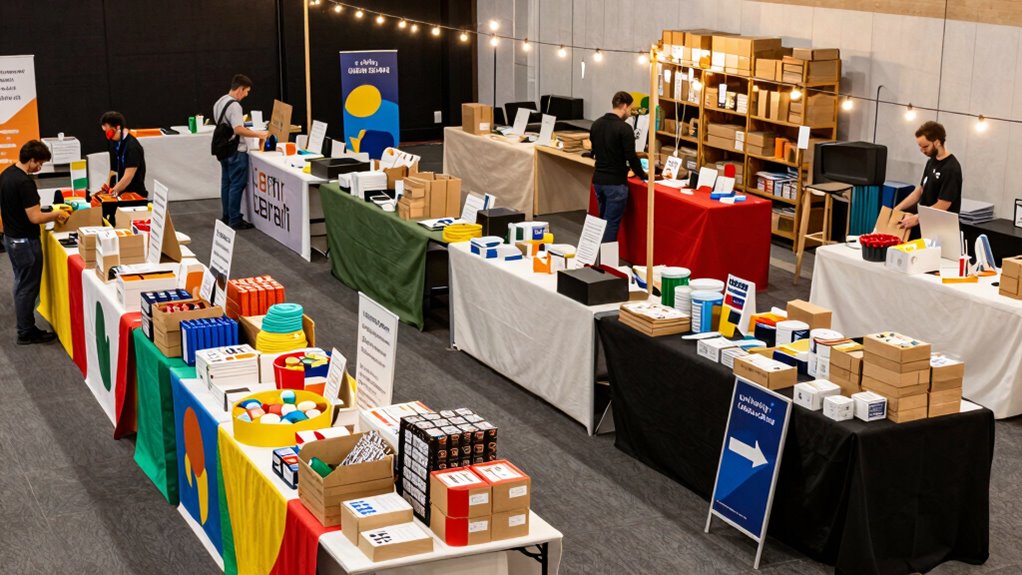

For multi-day events, you need a different inventory logic because attendee numbers, activities, and needs change daily. Fluctuating attendance affects seating, catering, and supplies, so you must track real-time data and adjust supplies accordingly. Each day may involve unique activities requiring specific materials, and last-minute changes are common. If you want to optimize your planning and avoid waste or shortages, understanding this dynamic inventory approach will help you manage your event more efficiently.

Get kitchen staples and gadgets delivered free with Prime
- Fast, free delivery on millions of items
- Prime Video, Amazon Music and more included
- Member-only deals all year
Key Takeaways
- Attendee numbers vary daily, requiring adaptable inventory strategies to meet changing needs.
- Different activities each day demand specific supplies, necessitating tailored inventory management.
- Multi-day events involve fluctuating catering and session requirements, requiring dynamic forecasting.
- Real-time tracking helps adjust supplies promptly, reducing waste and shortages across multiple days.
- Historical data informs better planning, ensuring consistent resource allocation throughout the event duration.
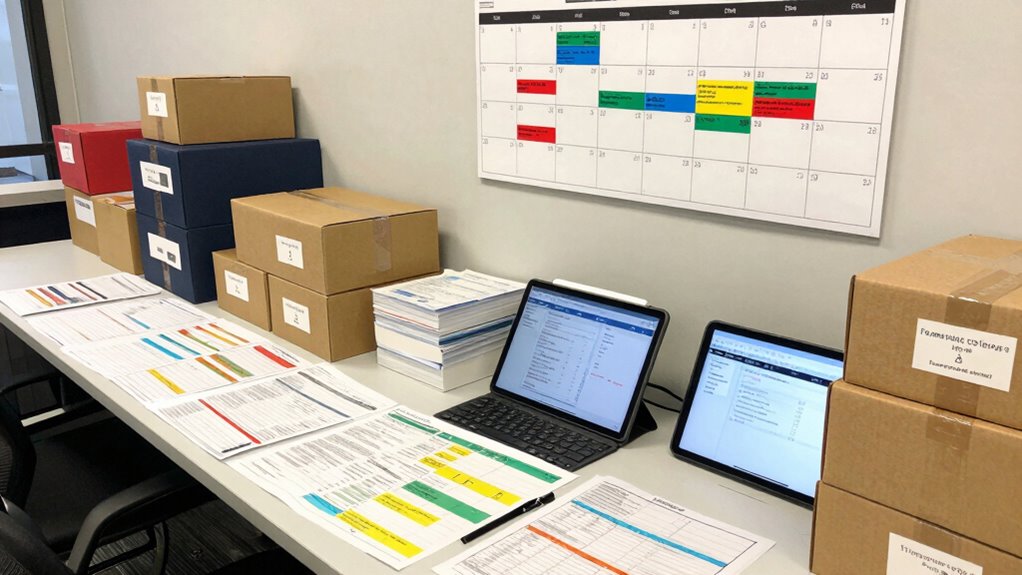
Have you ever wondered how successful events run smoothly without running out of supplies or wasting resources? The secret lies in understanding that event planning isn’t just about picking a date and a venue; it’s about managing your inventory smartly, especially when it’s a multi-day affair. Unlike single-day events, where your supply needs are relatively straightforward, multi-day events demand a different inventory logic—one that accounts for changing needs, varying attendee numbers, and diverse service options.
First, consider the venue capacity. For each day, you need to accurately estimate how many attendees will be present. But with multi-day events, these numbers can fluctuate due to registration patterns or attendee fatigue. You might have more participants on the first day and fewer later on, or vice versa. This variance impacts everything from seating arrangements to catering quantities. To avoid overstocking or shortages, you have to develop a dynamic inventory plan that adjusts based on real-time data or historical trends. Properly aligned, this prevents over-ordering of supplies, which can lead to waste, or under-ordering, risking shortages that could disrupt the event. Incorporating accurate data tracking into your planning can significantly enhance your inventory management. Additionally, implementing flexible inventory systems can help you respond swiftly to unforeseen changes in supply needs. Recognizing the importance of inventory forecasting ensures that you’re prepared for future fluctuations and helps maintain a smooth flow throughout the event.
Adjust attendee estimates daily to optimize inventory, preventing waste and shortages during multi-day events.
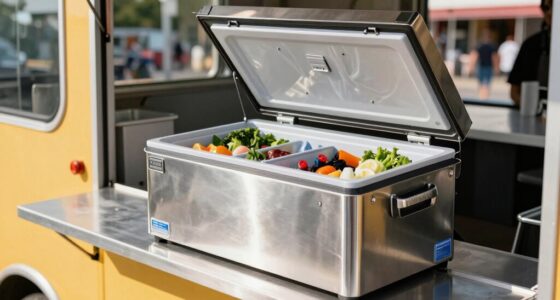
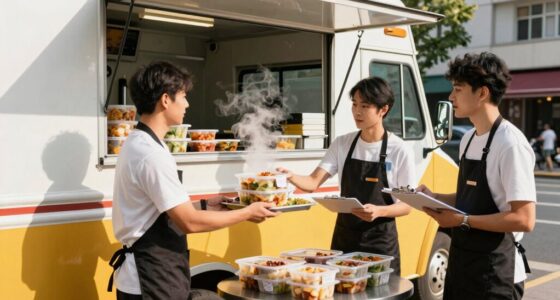
Catering options add another layer of complexity. When planning for multiple days, you need to think beyond just the total amount of food and beverages. Different meals might be served each day, requiring varied ingredients and presentation styles. Also, consider dietary restrictions and preferences, which might increase or decrease the amount of certain items needed. If you’re offering multiple catering options, you’ll need to forecast not only how much food to prepare overall but also how to allocate supplies efficiently across the different menus. This means keeping track of what’s consumed each day and adjusting for subsequent days, avoiding both spoilage and shortages. Additionally, inventory flexibility is essential to adapt quickly to unexpected changes or last-minute requests, ensuring the supplies align with actual needs. Moreover, multi-day events often involve activities that require specific supplies at different times—workshops, entertainment, or networking sessions—that need their own inventory considerations. You’ll want to organize supplies in a way that minimizes waste and ensures everything is available exactly when needed. This might involve setting reorder points for consumables or creating a just-in-time inventory system. Understanding the multi-day event inventory logic can help you better anticipate fluctuating supply needs and streamline resource management throughout the entire event.
real-time inventory management system for events
As an affiliate, we earn on qualifying purchases.
As an affiliate, we earn on qualifying purchases.
Frequently Asked Questions
How Does Weather Impact Multi-Day Event Inventory Planning?
Weather disruptions and climate considerations greatly impact your multi-day event inventory planning. You need to account for potential rain, wind, or extreme temperatures, which can increase demand for items like tents, rain gear, or heating supplies. By anticipating weather patterns, you guarantee sufficient inventory, avoid shortages, and enhance attendee comfort. Flexibility in your inventory management helps you adapt quickly to changing weather conditions, ensuring a successful, well-prepared event.
What Technologies Optimize Inventory Management for Multi-Day Events?
Event technology and inventory tracking tools optimize your multi-day event management by providing real-time data and automation. These technologies help you monitor stock levels, predict needs, and adjust supplies swiftly. With advanced event tech, you reduce waste and prevent shortages, ensuring a seamless experience. Inventory tracking systems also enable you to coordinate deliveries efficiently across multiple days, keeping your event running smoothly and making your planning more effective and less stressful.
How Do Attendee Variations Affect Inventory Needs Over Multiple Days?
Attendee variations, like demographics and session popularity, directly influence your inventory needs over multiple days. If certain sessions attract more diverse groups, you’ll need more varied supplies or materials. Popular sessions may require additional resources or equipment, while demographic differences can impact food, seating, or merchandise demands. By analyzing these factors daily, you can adjust your inventory proactively, ensuring you meet attendee needs without overstocking or shortages.
What Are Common Inventory Mistakes in Multi-Day Event Planning?
Imagine your event as a carefully choreographed dance, where overlooking vendor coordination can lead to missed steps. Common mistakes include underestimating inventory needs, which causes shortages, or overcommitting your budget. Poorly allocated funds can leave essential supplies short, disrupting the flow. Stay vigilant by balancing vendor communication with smart budget planning, ensuring you have the right inventory at the right time, keeping your multi-day event seamless and memorable.
How Do You Handle Unexpected Inventory Shortages During Events?
When unexpected inventory shortages occur during events, you should act quickly by implementing emergency restocking procedures and utilizing contingency supplies. Keep a backup inventory plan ready, and assign team members to monitor stock levels constantly. Contact suppliers immediately for urgent deliveries if needed. Staying flexible and prepared helps you minimize disruptions and guarantees the event runs smoothly, even when surprises happen.
multi-day event catering supplies
As an affiliate, we earn on qualifying purchases.
As an affiliate, we earn on qualifying purchases.
Conclusion
So, next time you’re juggling multi-day events, remember: inventory isn’t just about counting chairs and snacks; it’s about playing chess while blindfolded. You’re the magician pulling endless scarves from a hat, only to realize they’re all different colors and sizes. Master this, and you’ll turn chaos into a well-orchestrated symphony—without the need for a crystal ball. After all, in event planning, a little satire goes a long way toward keeping your sanity intact.
As an affiliate, we earn on qualifying purchases.
flexible inventory software for events
As an affiliate, we earn on qualifying purchases.
As an affiliate, we earn on qualifying purchases.
Halloween Picks
halloween
As an affiliate, we earn on qualifying purchases.