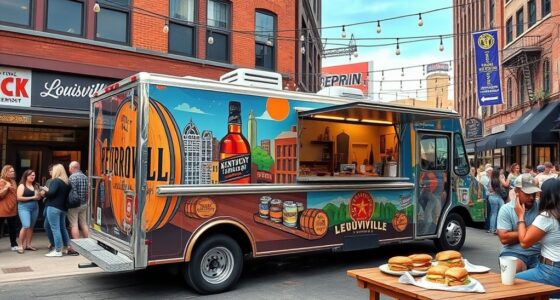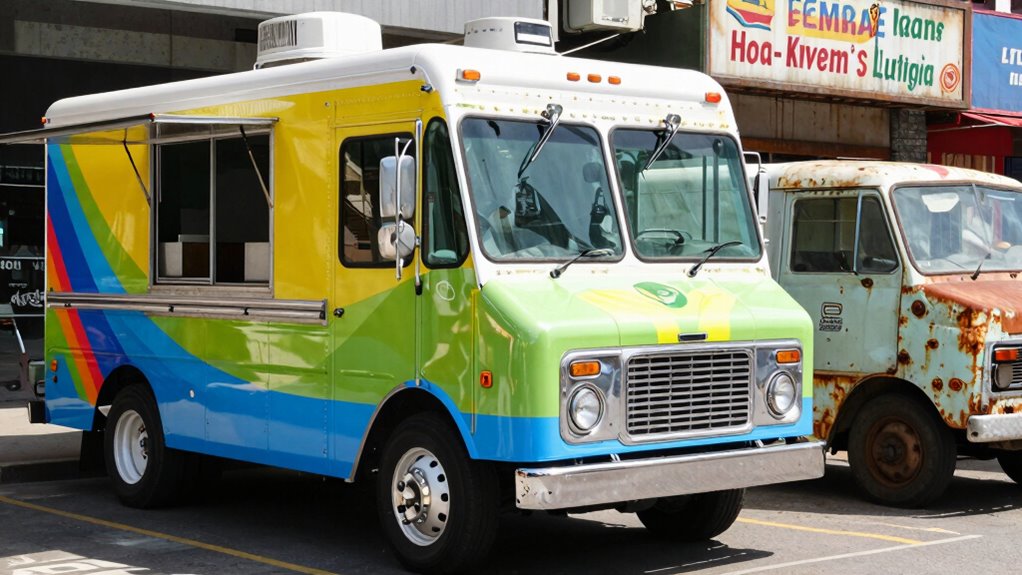

When comparing used and new food trucks, many new owners miss how vital design, equipment reliability, and compliance features are to your ongoing success. A used truck might seem cheaper upfront but often comes with outdated layouts and unreliable appliances, leading to costly repairs and safety risks. New trucks offer modern setups that boost efficiency, safety, and long-term savings. Pay attention to these factors, and you’ll see how they can seriously impact your business’s growth. Keep exploring to learn more.

Get kitchen staples and gadgets delivered free with Prime
- Fast, free delivery on millions of items
- Prime Video, Amazon Music and more included
- Member-only deals all year
Key Takeaways
- Overlooking the importance of optimized mobile kitchen design for workflow and efficiency.
- Ignoring the long-term reliability and maintenance costs of outdated equipment in used trucks.
- Underestimating the necessity of modern compliance and safety features for smoother operations.
- Failing to consider future upgrade needs that could lead to hidden expenses.
- Prioritizing initial cost savings over the operational benefits of newer, better-designed trucks.
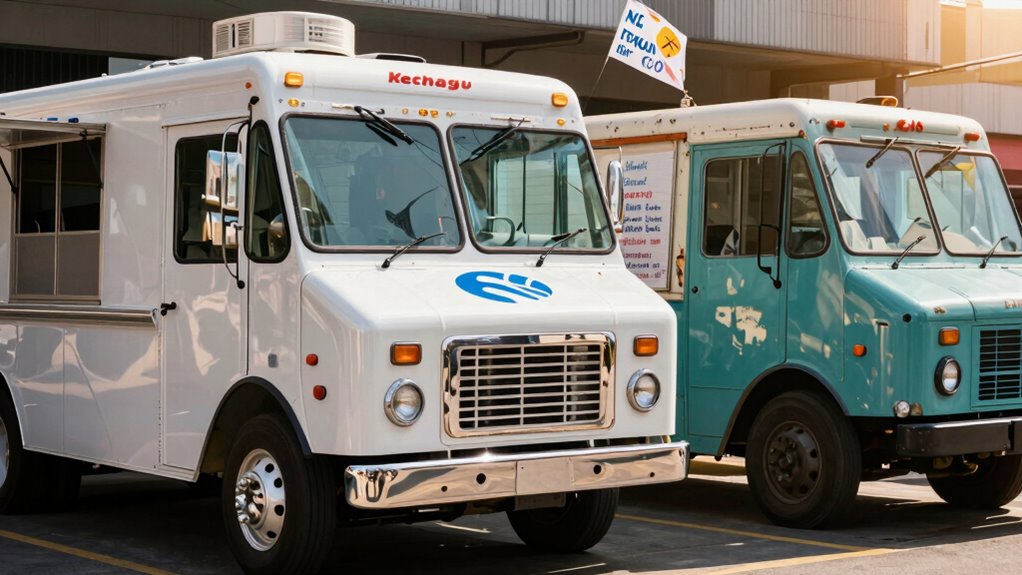
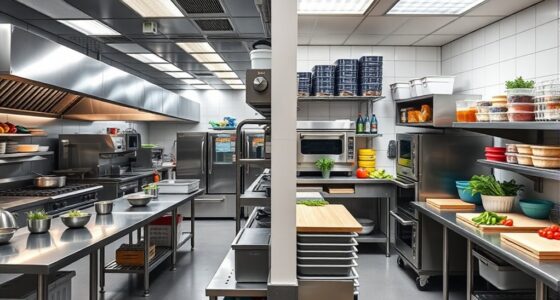
Whether you’re just starting out or looking to expand your food business, choosing between a used or new food truck is an essential decision. Many new owners focus on the initial price tag or the overall look of the truck, but there are critical details they often overlook. One key aspect is the mobile kitchen design. A brand-new truck typically offers a modern, customized layout that aligns with your specific menu and workflow. This means you can plan for ideal space utilization, efficient traffic flow, and ergonomic placement of appliances. On the other hand, used trucks might have existing layouts that aren’t perfect, forcing you to adapt your operations to an outdated or inefficient design. This can lead to slower service, increased fatigue, and even safety concerns.
Choosing a new truck offers a tailored kitchen layout for better efficiency and safety.
Another factor that new owners often miss is the importance of equipment maintenance. New trucks usually come with warranties and the latest appliances, which means fewer immediate repairs and less downtime. They’re built with newer technology that tends to be more energy-efficient and reliable, making day-to-day operations smoother. Conversely, used trucks might have older equipment that’s prone to breakdowns or needs frequent repairs. Without careful inspection, you could find yourself facing unexpected costs and operational disruptions that eat into your profit margins. It’s easy to assume that a used truck is a bargain, but neglecting the condition of the equipment can turn that savings into a headache.
Many new owners also underestimate how much the initial condition of the truck impacts long-term success. A new truck comes with modern features that comply easily with health and safety regulations, and it’s less likely to require costly upgrades. Used trucks, however, may need extensive refurbishing to meet current standards, especially in areas like fire safety or sanitation. Additionally, the mobile kitchen design of a new truck often incorporates the latest innovations for better ventilation, storage, and workflow, which can improve your overall efficiency and customer experience. Paying attention to mobile kitchen design can help prevent costly adjustments down the line and ensure your operations run smoothly from the start. Recognizing the importance of up-to-date features can also significantly influence your compliance and safety standards over time. Moreover, understanding the long-term costs associated with outdated equipment can help you make a more informed investment decision. Furthermore, a well-designed mobile kitchen layout can drastically enhance operational productivity and staff satisfaction, leading to better service quality. Being aware of the future upgrades you might need can help you plan your investment more strategically from the beginning.
Ultimately, while used trucks may seem appealing due to their lower upfront costs, they can hide hidden expenses related to outdated equipment and poor design. New trucks offer the advantage of modern technology, thoughtful design, and peace of mind regarding maintenance. As a new owner, paying attention to these details can make a significant difference in how smoothly your food business runs and how successfully it grows.
Products Worth Considering

KitchenAid 13-Cup Food Processor, KFP1318, Contour Silver
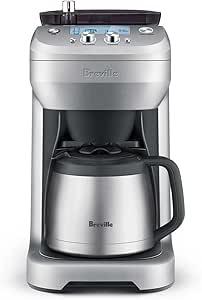
Breville Grind Control BDC650BSS Thermal Carafe Coffee Maker – Brushed Stainless Steel

Ninja DualZone 6-in-1 Air Fryer, 8-Qt, Grey, DZ801
As an affiliate, we earn on qualifying purchases.
Frequently Asked Questions
How Do Maintenance Costs Differ Between New and Used Food Trucks?
Maintenance costs are usually higher for used food trucks because they often have less engine longevity and decreased fuel efficiency compared to new ones. As a new truck, you’ll enjoy lower repair bills initially, thanks to modern parts and warranties. However, with a used truck, you might face more frequent repairs and higher costs over time, especially as the vehicle ages and engine performance declines, impacting overall maintenance expenses.
What Are the Financing Options Available for Used vs. New Trucks?
You’re surprised by the financing options available for used versus new food trucks. While new trucks often qualify for favorable loans and manufacturer incentives, used trucks might require more creative financing or higher down payments. The cost comparison can be stark—used trucks usually have lower upfront costs, but interest rates may be higher. Carefully compare your financing options to guarantee you get the best deal for your budget and future success.
How Does Insurance Vary Between Used and New Food Trucks?
You’ll find that insurance premiums for new food trucks are typically higher due to their higher value, but they often come with more extensive liability coverage options. Used trucks usually have lower premiums, but coverage might be be more limited or require additional upgrades. Always compare policies carefully, considering both liability coverage and premiums, so you can choose the best protection for your specific needs and budget.
What Are the Potential Hidden Costs With Used Food Trucks?
When considering a used food truck, you might overlook hidden expenses like ongoing maintenance, repairs, and upgrades that add up quickly. Depreciation concerns can also impact your investment, as the truck’s value decreases faster than expected. These hidden costs can strain your budget, so it’s essential to thoroughly inspect and estimate future expenses before buying. Being aware of these factors helps you avoid surprises and plan your finances better.
How Does Warranty Coverage Compare for New and Used Trucks?
Think of warranty coverage like a safety net—new trucks often come with longer warranty durations, giving you peace of mind, while used trucks might have limited coverage. With new vehicles, you enjoy extensive coverage and fewer limitations, but used trucks may have coverage limitations that leave gaps. When comparing, consider how warranty duration and coverage limitations could impact your repairs and costs long-term, shaping your confidence on the road.
Conclusion
Choosing between a used and new food truck feels like balancing on a tightrope—each has its own risks and rewards. While a new truck offers the shine of fresh paint and modern features, a used one can be a treasure chest of proven reliability and savings. Remember, the grass isn’t always greener; it’s about finding the right fit for your vision. Whichever you pick, plan wisely—your culinary journey depends on it.