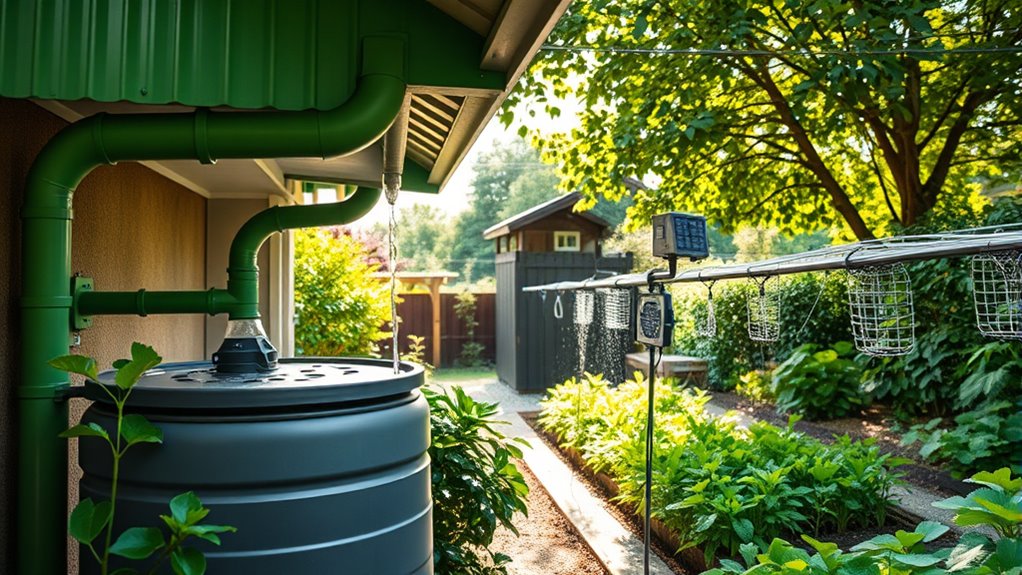

To implement water conservation techniques, start by installing rainwater harvesting systems like rain barrels to collect runoff from your roof. Maintain your system regularly by keeping surfaces clean and tanks covered to prevent contamination. Use drip irrigation for your plants, delivering water directly to roots and reducing waste. Combining these methods helps you save water, lower bills, and protect the environment. Keep exploring these strategies to maximize your conservation efforts effectively.
Open a free Amazon Business account
Business pricing, bulk buying and tax-exempt orders.
As an affiliate, we earn on qualifying purchases.
Key Takeaways
- Install rainwater harvesting systems to collect and store runoff for non-potable uses, reducing reliance on municipal water.
- Maintain clean collection surfaces, filters, and covered tanks to ensure quality and prevent contamination in rainwater systems.
- Use drip irrigation to deliver water directly to plant roots, minimizing evaporation and water waste.
- Automate watering with timers and adjust flow rates based on weather conditions for efficient water use.
- Combine rainwater harvesting with drip irrigation to create a sustainable, low-impact water conservation cycle.
Water conservation is essential for ensuring a sustainable future, especially as droughts and water shortages become more common. You can make a significant difference by adopting simple yet effective techniques like rainwater harvesting and drip irrigation. Rainwater harvesting involves collecting rainwater from rooftops or other surfaces to use later, reducing reliance on municipal water supplies. Installing a rain barrel or a larger storage system allows you to capture rainwater during storms, which you can then use for watering plants, cleaning, or even flushing toilets. This method not only conserves treated drinking water but also minimizes runoff, which can cause erosion and water pollution. To optimize your rainwater harvesting system, make sure your collection surfaces are clean and free of debris, and use filters to keep out leaves and dirt. You should also ensure your storage tanks are covered to prevent mosquito breeding and contamination. Proper maintenance of your collection system is crucial for water quality and system longevity.
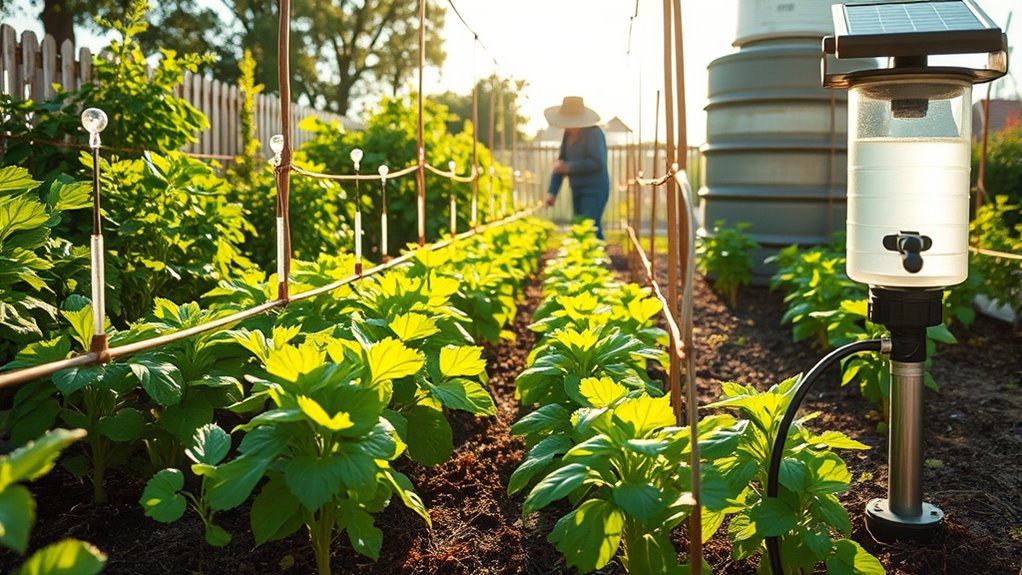
Drip irrigation is another powerful technique to conserve water, especially when watering your garden or crops. Unlike traditional sprinklers that spray water over a wide area, drip irrigation delivers water directly to the roots of plants through a network of tubes and emitters. This targeted approach minimizes evaporation and runoff, ensuring your plants get the right amount of water without waste. Installing a drip system might seem complex at first, but it’s worth the effort, as it reduces water bills and promotes healthier plant growth. You can automate the system with timers, so your garden gets consistent watering even when you’re not around. When setting up drip irrigation, pay attention to your plants’ needs, adjusting the flow rate and scheduling watering times based on weather conditions. This way, you avoid overwatering and keep your landscape lush without wasting precious water resources. Incorporating water-efficient technology can further enhance your conservation efforts and reduce overall consumption.
Combining rainwater harvesting with drip irrigation creates a sustainable cycle that maximizes water efficiency. During rainy seasons, you can fill your storage tanks with rainwater, which then feeds into your drip system when needed. This synergy reduces dependence on municipal water and helps you lower your environmental footprint. Both techniques are relatively affordable and easy to implement with some initial planning, making them accessible options for homeowners and gardeners alike. By making these small changes, you actively participate in conserving water, protecting local ecosystems, and ensuring enough supply for future generations. Every drop saved counts, and integrating rainwater harvesting and drip irrigation into your routine can lead to a significant positive impact on water conservation efforts in your community.
rainwater harvesting system with tank
As an affiliate, we earn on qualifying purchases.
As an affiliate, we earn on qualifying purchases.
Frequently Asked Questions
How Can Homeowners Measure Their Water Savings Effectively?
You can measure your water savings by tracking your water bills over time and noting changes. Use rain barrels to collect rainwater for outdoor use, reducing tap water consumption. Monitor soil moisture levels with a moisture meter to determine how much watering your plants need, preventing overuse. Comparing your water bills before and after implementing these techniques gives you a clear picture of your savings and helps you adjust your conservation efforts.
What Incentives Exist for Adopting Water-Efficient Appliances?
You can benefit from incentives like appliance rebates, which reduce your upfront costs for water-efficient appliances. These rebates, offered by local governments or utility companies, help you save money while adopting eco-friendly options. Plus, you’ll see ongoing cost savings through lower water bills and reduced energy use. Taking advantage of these incentives makes switching to water-efficient appliances more affordable and encourages sustainable habits, benefiting both your wallet and the environment.
Are There Regional Regulations Impacting Water Conservation Efforts?
Yes, regional policies and water rights substantially impact your water conservation efforts. Local governments often implement regulations that set efficiency standards for appliances and restrict water usage during shortages. Water rights laws determine how much water you can access, encouraging you to adopt conservation techniques. Staying informed about these regulations helps you comply and maximize your efforts, ensuring you use water responsibly and avoid penalties while contributing to regional sustainability.
How Does Water Conservation Benefit Local Ecosystems?
A healthy ecosystem is like a well-tuned machine. When you conserve water, you reduce urban runoff, which helps protect aquatic habitats from pollutants and erosion. This benefits local ecosystems by maintaining water quality and supporting diverse plant and animal life. Your efforts guarantee that rivers, lakes, and wetlands stay vibrant, fostering a balanced environment where all species thrive, proving that every drop counts for nature’s harmony.
What Are Innovative Technologies Emerging in Water Conservation?
You can leverage innovative technologies like smart irrigation systems that use sensors and weather data to optimize water use, reducing waste. Greywater reuse is another effective method, allowing you to recycle water from sinks and showers for landscaping or toilet flushing. These technologies help you conserve water efficiently, lower utility bills, and support sustainable practices, making them essential tools in modern water conservation efforts.
As an affiliate, we earn on qualifying purchases.
Conclusion
By embracing these water conservation techniques, you hold the power to protect our planet’s most precious resource. Every drop saved is a step toward a sustainable future—think of it as turning the tide in our favor. So, take action today; your efforts matter more than you realize. Remember, water is life, and with your conscious choices, you can be the hero who guarantees clean water for generations to come.
As an affiliate, we earn on qualifying purchases.
rain barrel for water collection
As an affiliate, we earn on qualifying purchases.
As an affiliate, we earn on qualifying purchases.
Flea & tick season Picks
flea and tick prevention
As an affiliate, we earn on qualifying purchases.