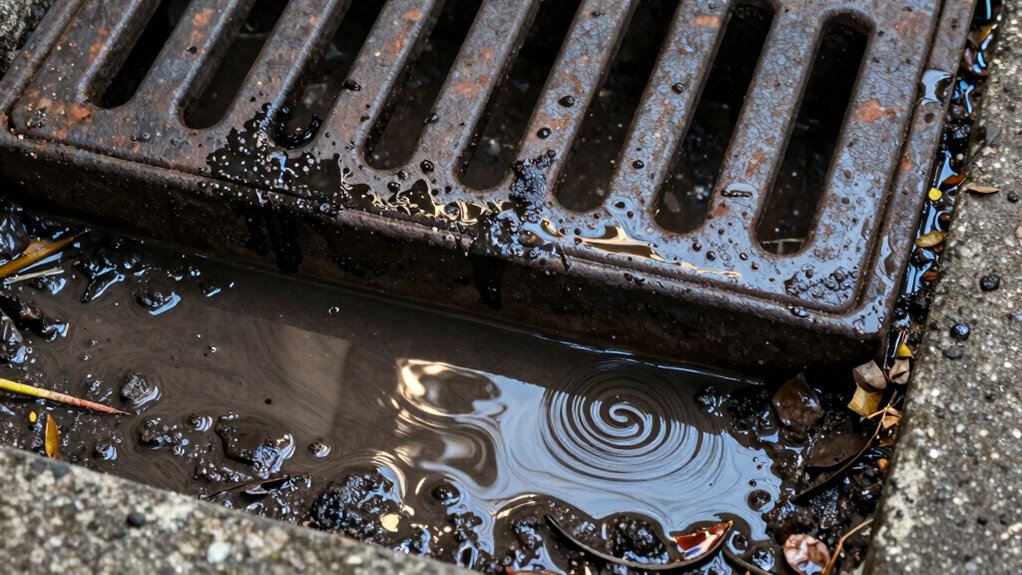

Your disposal of grease and oil directly affects the environment’s health and resource conservation. When you pour fats down drains, it causes blockages, damages sewage systems, and harms water sources. Choosing biodegradable options and recycling minimizes ecological harm and supports sustainability. Proper disposal methods prevent pollution, conserve raw materials, and promote eco-friendly practices. If you want to understand how your habits can make a real difference for the planet, keep exploring these important topics.

Get kitchen staples and gadgets delivered free with Prime
- Fast, free delivery on millions of items
- Prime Video, Amazon Music and more included
- Member-only deals all year
Key Takeaways
- Improper disposal damages ecosystems and depletes resources, highlighting the need for sustainable waste management practices.
- Recycling and biodegradable alternatives reduce environmental harm and support long-term ecological health.
- Proper disposal prevents sewage blockages and water pollution, conserving infrastructure and water quality.
- Promoting responsible disposal habits minimizes the ecological footprint of grease and oil waste.
- Educating communities on sustainable disposal fosters environmentally conscious behaviors and supports overall sustainability goals.
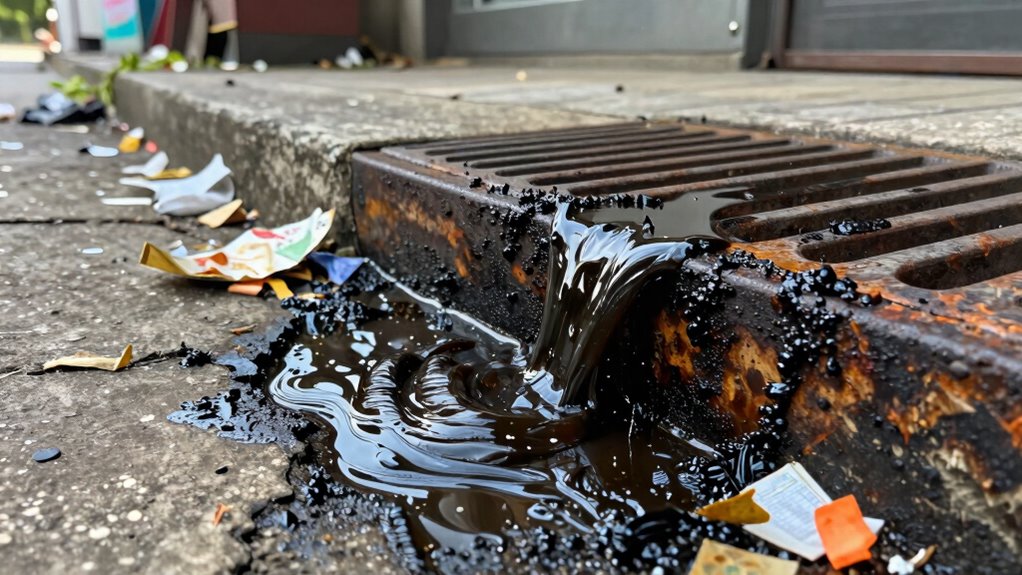
Proper disposal of grease and oil is essential for promoting sustainability and protecting the environment. When you handle these substances responsibly, you help prevent pollution, conserve resources, and support eco-friendly practices. One effective way to do this is by exploring biodegradable alternatives. These products break down naturally in the environment, reducing the harmful impact that traditional oils and greases can have when improperly disposed of. By choosing biodegradable options, you make a conscious decision to minimize the ecological footprint of your waste, supporting a healthier planet.
Recycling methods also play a vital role in sustainable grease and oil management. Instead of pouring used oil down the drain or onto the ground, you can participate in recycling programs that convert waste into useful products, like biodiesel or industrial lubricants. Recycling not only prevents clogging sewage systems but also reduces the demand for new raw materials, conserving finite resources. You can often find local recycling centers or collection events where you can drop off used oils safely, making it easier to dispose of waste responsibly. Proper waste management practices are crucial for maintaining environmental health. Additionally, engaging with community recycling initiatives can further enhance your impact.
Understanding proper disposal techniques is key. For instance, you should never pour grease or oil into the sewer system, as it can solidify and cause blockages in pipes, leading to costly repairs and environmental contamination. Instead, allow the oil to cool and solidify, then scrape it into a sealed container for disposal or recycling. Many communities offer special disposal bins or pick-up services for used cooking oil, making it convenient for you to do your part. Additionally, some restaurants and commercial kitchens have established recycling programs, which you can support or emulate if you manage a food service operation. Being aware of these proper disposal methods ensures you are taking the most responsible steps in waste management.
Promoting sustainability through grease and oil disposal also involves educating yourself about best practices. Simple actions, like wiping excess grease from dishes before washing and choosing cooking methods that generate less waste, contribute to overall environmental health. Supporting products and companies that prioritize biodegradable alternatives further amplifies your impact. When you make these choices, you’re not just managing waste; you’re actively participating in a movement toward a more sustainable future. Incorporating biodegradable products into your routine is an effective way to reduce environmental harm and promote eco-friendly waste management practices. Additionally, staying informed about proper disposal techniques**** ensures you are always making environmentally conscious decisions.
biodegradable cooking oil disposal containers
As an affiliate, we earn on qualifying purchases.
As an affiliate, we earn on qualifying purchases.
Frequently Asked Questions
How Can Households Properly Dispose of Used Cooking Oils?
You can properly dispose of used cooking oils by first letting them cool, then pouring the oil into a sealed container for home composting if it’s plant-based. For other oils, consider kitchen recycling options, such as taking them to a local recycling center. Avoid pouring oils down the drain, as they clog pipes and harm the environment. Proper disposal helps reduce pollution and supports sustainable waste management.
Are There Environmental Regulations Specific to Grease Disposal?
Yes, there are environmental regulations specific to grease disposal. You need to guarantee regulatory compliance by following local, state, and federal standards designed to prevent pollution and protect water quality. These regulations often specify proper disposal methods, such as using licensed facilities or recycling programs. By adhering to environmental standards, you help minimize environmental harm, avoid penalties, and promote sustainable practices in managing grease and oil waste.
What Are the Health Risks of Improper Oil Disposal?
Improper oil disposal poses significant health hazards, including skin and respiratory irritation from contact or fumes. You also risk contamination, which can pollute water sources and harm local ecosystems. These contamination risks can lead to the spread of diseases and pose serious health hazards to communities. To stay safe, always dispose of grease and oil properly, following local regulations, and avoid pouring it down drains or onto the ground.
Can Recycled Grease Be Repurposed for Other Uses?
Recycled grease can be repurposed for alternative uses through various recycling processes. You might use it to produce biodiesel, which serves as a renewable fuel source, or incorporate it into soap-making. These recycling processes help reduce waste and promote sustainability. By repurposing grease, you’re not only preventing environmental harm but also contributing to energy conservation and resource efficiency. This makes grease recycling a valuable part of sustainable practices.
How Does Grease Disposal Impact Local Water Systems?
You might not realize it, but improper grease disposal causes significant water pollution—up to 300 billion gallons of water are contaminated annually. When grease enters local water systems, it creates industrial contamination, harming aquatic life and clogging pipes. This not only impacts ecosystems but also increases cleanup costs and risks to public health. Proper disposal is essential to prevent these environmental damages and protect your community’s water resources.
As an affiliate, we earn on qualifying purchases.
Conclusion
By properly disposing of grease and oil, you’re making a meaningful move toward sustainability. Your mindful management minimizes messes, limits landfill load, and lessens environmental damage. Small, simple steps in disposal can signify significant, sustainable strides for your community and the planet. So, step up, stay savvy, and support a cleaner, greener future—because your responsible actions really do make a difference!
grease and oil separator for kitchen
As an affiliate, we earn on qualifying purchases.
As an affiliate, we earn on qualifying purchases.
eco-friendly oil spill cleanup kit
As an affiliate, we earn on qualifying purchases.
As an affiliate, we earn on qualifying purchases.
Fall Picks
fall essentials
As an affiliate, we earn on qualifying purchases.