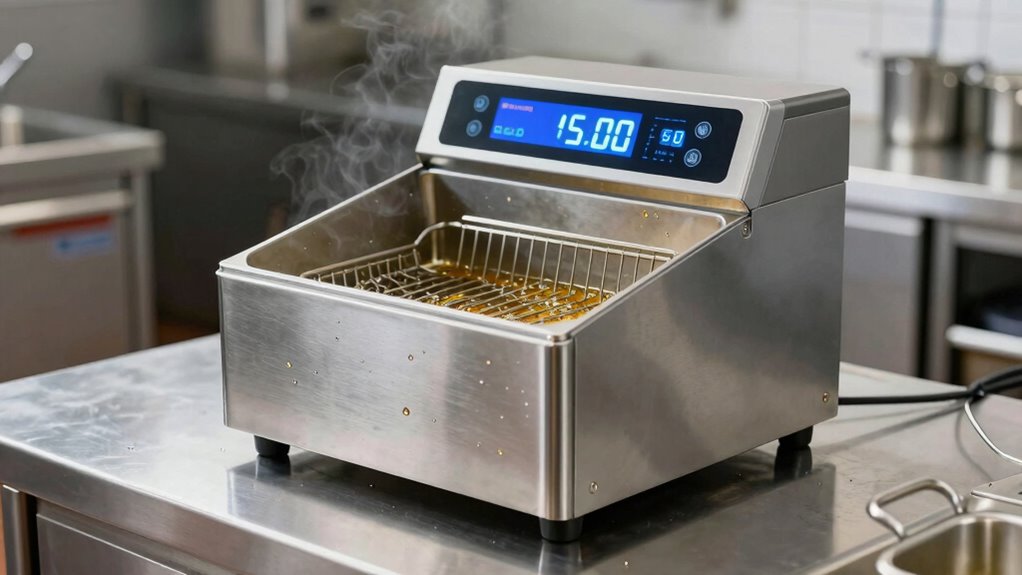

Fryer recovery speed measures how quickly your fryer restores temperature after adding food, and it’s essential for consistent, crispy results. Faster recovery times keep oil at the right heat, ensuring evenly cooked food and prolonging equipment life. Many overlook how factors like oil quality, cleaning, and load size affect this metric. If you want to reveal the secrets to ideal frying and maintain high standards, stay with us—there’s more to discover.

Get kitchen staples and gadgets delivered free with Prime
- Fast, free delivery on millions of items
- Prime Video, Amazon Music and more included
- Member-only deals all year
Key Takeaways
- Recovery speed directly impacts food quality, texture, and consistency, yet its importance is often overlooked in fryer performance assessments.
- Consistent measurement of recovery times provides insights into equipment efficiency, oil condition, and maintenance needs.
- Faster recovery times (under 3 minutes) promote better frying results and extend fryer lifespan.
- Factors like oil quality, cleaning routines, and batch size significantly influence recovery speed.
- Monitoring recovery metrics enables proactive maintenance, process optimization, and improved customer satisfaction.
commercial deep fryer with fast recovery
As an affiliate, we earn on qualifying purchases.
As an affiliate, we earn on qualifying purchases.
What Is Fryer Recovery Speed and Why Does It Matter?

Have you ever wondered how quickly a fryer can bounce back after a batch of fried food? That’s where fryer recovery speed comes in. It measures how fast your fryer restores its temperature after food is added, which is essential for maintaining quality. Different cooking styles, like batch frying or continuous frying, demand varying recovery speeds. If your fryer recovers quickly, you can keep up with busy kitchen demands and produce consistently crispy food. Kitchen ergonomics also play a role; a well-designed setup allows you to load and unload efficiently, reducing temperature drops. Understanding fryer recovery speed helps you optimize your workflow, ensuring each batch hits the right temperature for perfect results. Recognizing the importance of cooking equipment efficiency can significantly improve your kitchen’s productivity and food quality. Notably, selecting equipment with a high recovery speed can make a substantial difference during peak hours, especially when paired with proper kitchen ergonomics for seamless operation. Additionally, a focus on equipment maintenance can help sustain optimal recovery times over the long term.
oil filtration system for fryers
As an affiliate, we earn on qualifying purchases.
As an affiliate, we earn on qualifying purchases.
How Recovery Speed Affects Crispy and Consistent Food
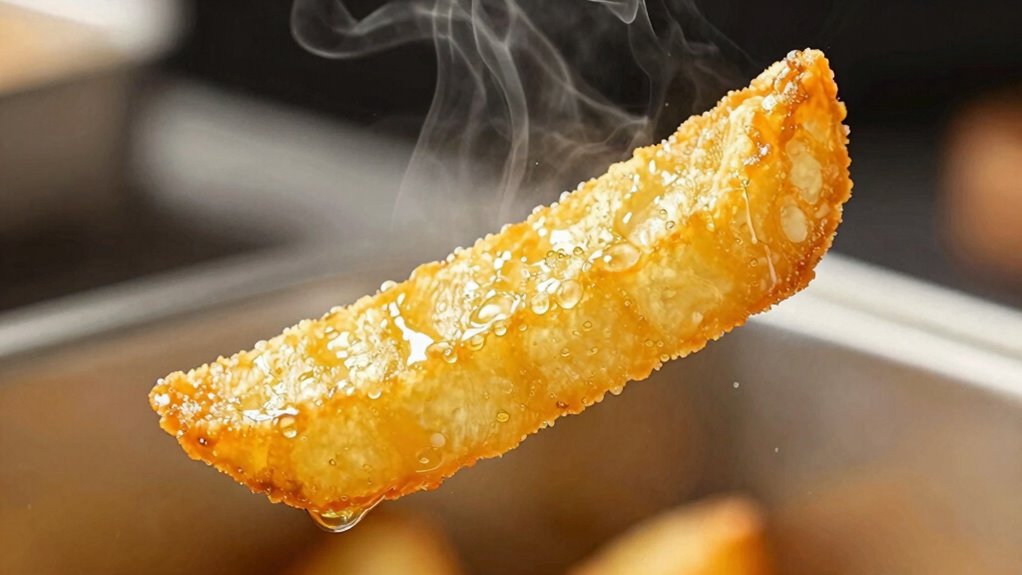
When your fryer recovers quickly, it helps keep the food’s texture crispy and consistent. Maintaining ideal oil temperature guarantees each batch turns out just right, without sogginess or overcooking. Plus, faster recovery times mean you can serve more food in less time, boosting efficiency. In the context of evolving economies, technological adaptability plays a crucial role in optimizing food service operations.
Consistent Texture Preservation
Rapid recovery speeds play a crucial role in maintaining the crispy, appealing texture of fried foods. When your fryer recovers quickly, it minimizes moisture absorption, helping food stay consistently crisp. Oil filtration is essential here—clean oil reduces degradation, ensuring even heat distribution and better texture preservation. Color accuracy is also important, as it affects the visual appeal and perceived freshness of the food. Reliable fryer branding often includes features that enhance recovery speed, like efficient heating elements and optimized thermal design. These factors work together to maintain the integrity of your food’s texture, preventing sogginess or uneven crispiness. When your fryer responds swiftly after each batch, the result is consistently crunchy, delicious food with minimal variation. Additionally, Oil filtration contributes to faster recovery by maintaining oil quality, which supports consistent heating. Proper thermal management and heat retention are key to ensuring quick recovery times, especially during high-volume cooking. Ensuring proper thermal efficiency can significantly reduce energy waste and improve recovery times. In fact, thermal conductivity of the fryer components directly impacts how quickly heat is transferred and recovered. Ultimately, faster recovery speeds help you deliver high-quality, crispy results every time, reinforcing customer satisfaction and brand trust.
Optimal Oil Temperature Maintenance
Maintaining the ideal oil temperature is essential because it directly influences the crispiness and consistency of your fried foods. When your oil stays at the right level, your food develops better flavor enhancement and minimizes oil absorption, keeping it lighter and tastier. If the temperature drops, foods can become greasy and soggy, leading to uneven cooking. To keep things on track:
- Constantly monitor your fryer’s thermometer for precise readings
- Avoid overcrowding the basket, which cools the oil
- Preheat oil properly before adding food
- Use a reliable recovery technique to quickly restore temperature after loading
- Incorporating inclusive casting practices ensures a more diverse and representative selection of food styles and flavors, appealing to a broader range of tastes and cultural influences.
- Understanding the fryer recovery speed metric can help optimize cooking times and improve overall efficiency in your kitchen. Analyzing your fryer’s recovery speed allows for better planning during busy cooking sessions. Additionally, being aware of your oil temperature stability can help prevent temperature fluctuations and maintain consistent results.
Faster Turnaround Times
Fryer recovery speed plays an essential role in guaranteeing your fried foods come out crispy and consistently cooked. Faster turnaround times mean your fryer spends less time at lower temperatures, preventing soggy or uneven results. Regular fryer maintenance keeps the equipment running efficiently, reducing recovery time. Oil filtration is also key—it removes debris and buildup that can hinder heat transfer, allowing the fryer to heat back up quickly. When your fryer recovers faster, you maintain ideal oil temperature, which directly impacts food crispiness and consistency. Investing in proper maintenance routines and clean oil not only shortens recovery times but also enhances overall food quality. Proper maintenance routines are crucial for sustaining optimal recovery speeds and food quality. Additionally, understanding the recovery speed metric can help operators identify areas for efficiency improvements to optimize frying performance. Quick recovery ensures every batch meets your standards without sacrificing texture or flavor, and paying attention to these metrics can lead to more energy-efficient frying practices. Implementing consistent cleaning protocols ensures the fryer remains in peak condition, further supporting faster recovery times. Recognizing the importance of fryer performance metrics can also help troubleshoot issues that may slow down recovery.
fryer temperature recovery monitor
As an affiliate, we earn on qualifying purchases.
As an affiliate, we earn on qualifying purchases.
The Science of Heat Transfer in Fryers
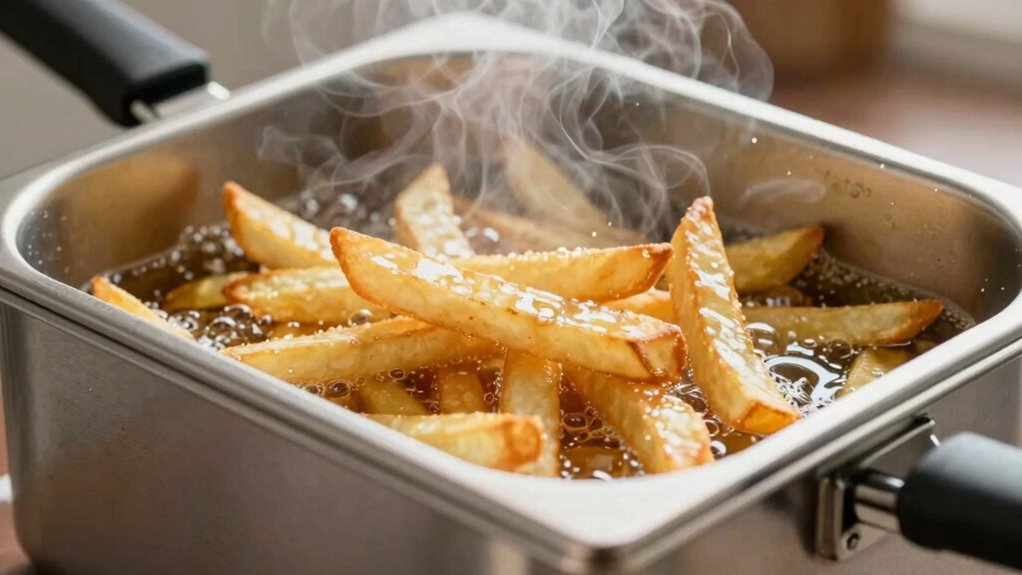
Understanding how heat moves within a fryer is essential for enhancing cooking speed and food quality. Heat transfer relies on several factors, including oil viscosity and heat convection. Oil viscosity affects how quickly heat spreads; lower viscosity oils transfer heat faster, improving recovery times. Heat convection, the movement of hot oil around the food, ensures even cooking and faster heat transfer. To maximize efficiency, it’s important to consider thermal conductivity when selecting oils, as it influences how effectively heat is transferred through the oil. Use oils with suitable viscosity for your fryer temperature. Maintain consistent oil circulation with proper agitation. Keep the oil temperature steady to avoid fluctuations. Regularly filter and replace oil to prevent viscosity changes. Incorporating natural pool design principles can further optimize overall heat distribution and energy efficiency in the cooking environment. Additionally, understanding microplastics in dust can be crucial for maintaining a healthier kitchen environment, as dust particles can impact heat transfer and air quality.
high efficiency frying equipment
As an affiliate, we earn on qualifying purchases.
As an affiliate, we earn on qualifying purchases.
How to Measure Your Fryer’s Recovery Speed
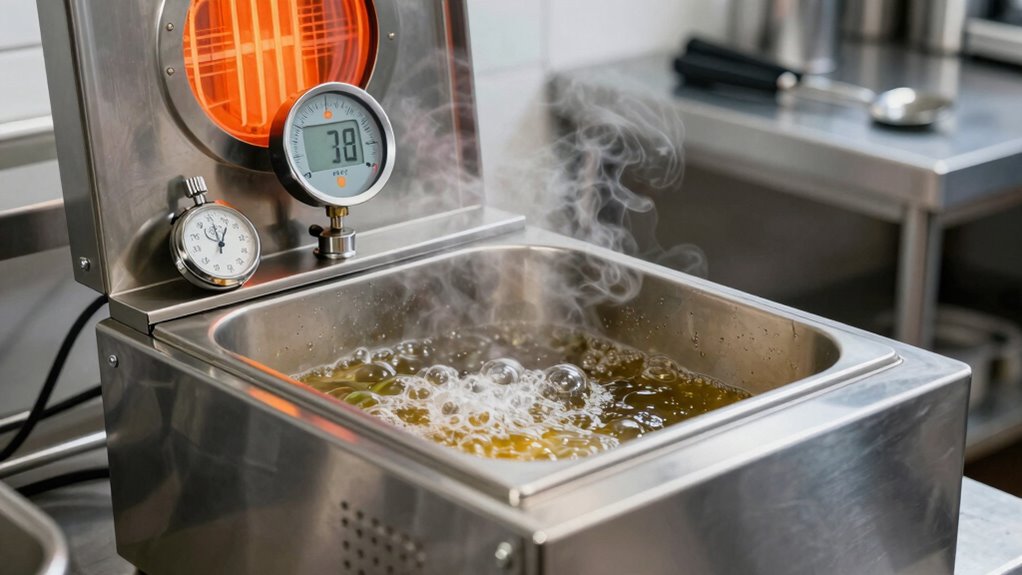
To measure your fryer’s recovery speed accurately, you need to understand the key factors that influence recovery time, such as oil temperature and load size. Using proper measurement techniques, like recording temperature before and after frying, helps guarantee your data is reliable. Once you gather the data, learning how to interpret it will give you clear insights into your fryer’s performance. Additionally, monitoring household safety measures ensures safe operation during testing.
Key Recovery Time Factors
Measuring your fryer’s recovery speed involves paying attention to several key factors that can influence how quickly it returns to the ideal temperature after loading. First, regular fryer maintenance ensures all components work efficiently, preventing delays. Next, oil filtration plays an essential role—clean oil heats faster and maintains temperature better. Additionally, the fryer’s heating element quality and power capacity impact recovery time. Proper airflow within the unit also matters, preventing heat loss. In conclusion, the amount of food loaded affects recovery; overloading can slow down heat recovery. Keeping these factors in check helps optimize your fryer’s recovery speed, guaranteeing quicker service and better fried food quality. Focus on consistent maintenance and clean oil to get the most accurate measurement of your fryer’s recovery performance.
Proper Measurement Techniques
Accurately measuring your fryer’s recovery speed starts with establishing a consistent testing process. Begin by ensuring your fryer is well-maintained, including proper fryer maintenance routines like cleaning and inspecting heating elements. Regular oil filtration is essential to remove debris and maintain oil quality, which directly impacts recovery performance. When testing, preheat the fryer to a consistent temperature, then add a fixed amount of product and record the time it takes for the oil to return to the target temperature. Repeat this process multiple times for accuracy. Keep your testing conditions steady—same oil type, same load size, and same start temperature. This consistency helps you track true recovery speed changes over time without external variables skewing your results.
Interpreting Recovery Data
Once you’ve gathered your recovery time data, the next step is to interpret what it tells you about your fryer’s performance. Faster recovery times typically mean better heat retention and efficient oil filtration, which directly impact flavor enhancement. If your recovery is slow, it might signal the need for better oil filtration practices or adjustments in temperature. Keep an eye on consistency: steady recovery times suggest reliable operation. Comparing your data over time helps identify trends and potential issues. Remember, a fryer that recovers quickly not only improves food quality but also reduces oil degradation, extending oil lifespan. Use your data to optimize maintenance routines, like regular oil filtration, to keep recovery speed high and flavor quality first-rate.
What Is Considered a Fast Recovery Speed?
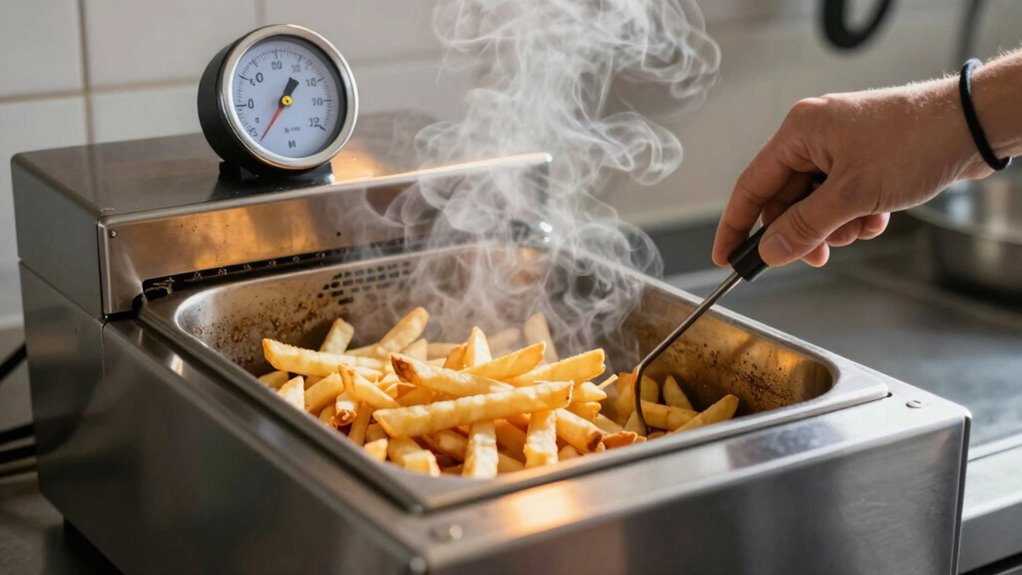
A fast recovery speed for a fryer typically means it can return to its ideal cooking temperature quickly after food is added. Usually, a recovery time under 2-3 minutes is considered good. This guarantees your food stays crispy and cooks evenly. A quick recovery also helps extend the fryer’s lifespan, as consistent temperatures reduce stress on components. Efficient oil filtration supports faster recovery by keeping oil clean, preventing temperature drops caused by debris. To visualize, here’s a comparison:
| Recovery Time | Effect on Food | Impact on Fryer Longevity |
|---|---|---|
| Under 2 mins | Crispy, even | Less wear, longer life |
| 2-3 mins | Slightly less | Moderate wear |
| Over 3 mins | Less crispy | Faster deterioration |
| Longer than 5 mins | Poor quality | Shorter lifespan |
| Instant | Ideal | Max lifespan |
Choosing a Fryer Based on Recovery Performance
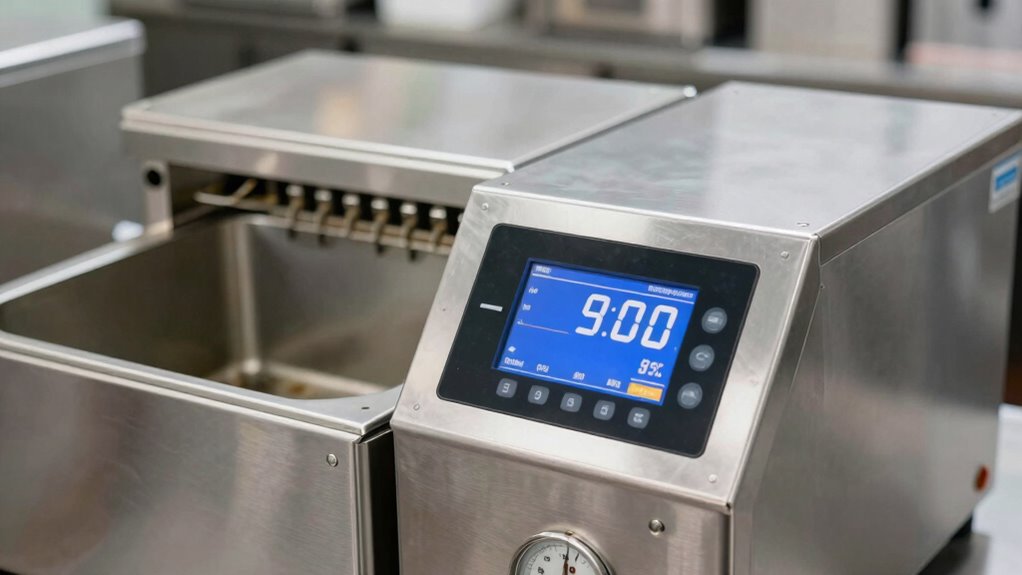
When selecting a fryer, understanding recovery time is essential because it directly impacts how quickly it can return to ideal frying temperature. Comparing recovery metrics across models helps you identify which fryers maintain consistent performance during busy times. Focusing on these factors guarantees you choose a fryer that meets your needs for efficiency and speed.
Recovery Time Significance
Why does recovery time matter when choosing a fryer? Faster recovery means you can keep up with high demand without sacrificing fry quality or customer satisfaction. It’s especially important during busy hours when multiple batches are frying back-to-back. A fryer with quick recovery also ensures consistent results, maintaining appealing fryer aesthetics and food quality. Plus, a reliable recovery performance boosts your confidence in the brand reputation—customers expect excellent service and presentation. When selecting a fryer, consider these factors:
- How quickly it brings temperature back after use
- Its ability to handle volume without lag
- Maintenance requirements for consistent performance
- The manufacturer’s reputation for dependable recovery features
Choosing the right fryer based on recovery time keeps your operation running smoothly and your customers happy.
Comparing Recovery Metrics
How do you effectively compare fryer recovery metrics to find the best option for your needs? Start by considering the historical context, which shows how different models have evolved and their typical recovery performances. Regional variations also matter; fryers designed for high-volume, fast-paced kitchens might prioritize rapid recovery, while others focus on consistency. Look beyond just recovery time and examine recovery speed alongside other metrics like energy efficiency and durability. Comparing these metrics helps you identify which fryer aligns with your operational demands. Keep in mind that a model with impressive recovery speed in one region might not perform as well elsewhere due to differing usage patterns or power supplies. Ultimately, understanding these regional and historical factors helps you make a more informed, tailored choice.
Tips to Improve Your Fryer’s Recovery Speed at Home or in a Commercial Kitchen
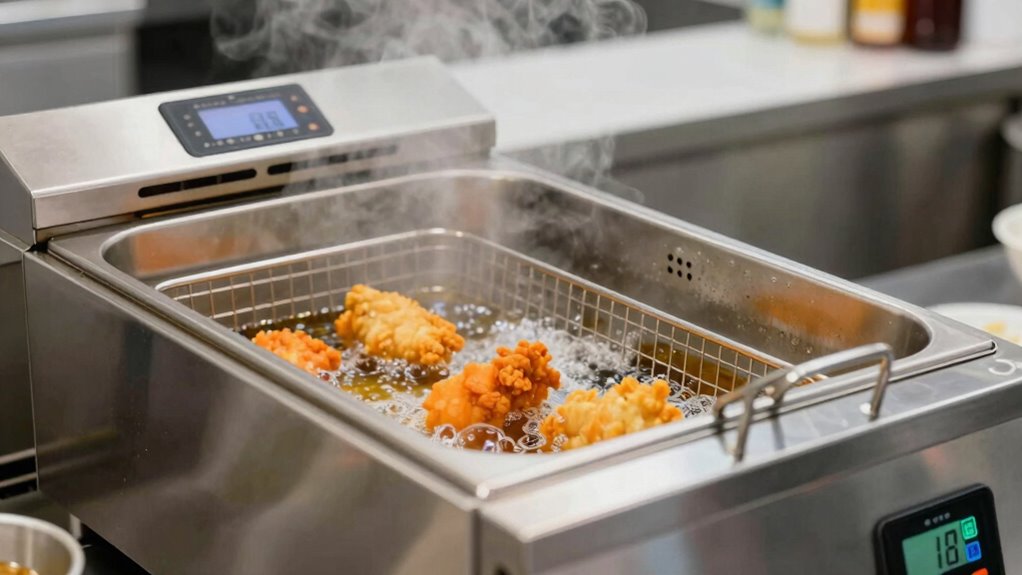
Improving your fryer’s recovery speed is essential for maintaining efficiency during busy cooking periods. Regular fryer maintenance helps keep it running smoothly, preventing unnecessary delays. Focus on oil filtration; filtering oil daily removes debris that can hinder heat transfer and extend recovery time. Additionally, verify your heating element is clean and functioning properly to heat oil quickly.
Here are some tips to boost recovery speed:
- Schedule consistent fryer maintenance checks
- Use high-quality, fresh oil and filter it regularly
- Keep the heating element clean and free of buildup
- Monitor oil temperature and avoid overloading the fryer
Implementing these practices helps your fryer recover faster, ensuring quicker service and better food quality.
Common Mistakes That Slow Down Recovery and How to Fix Them
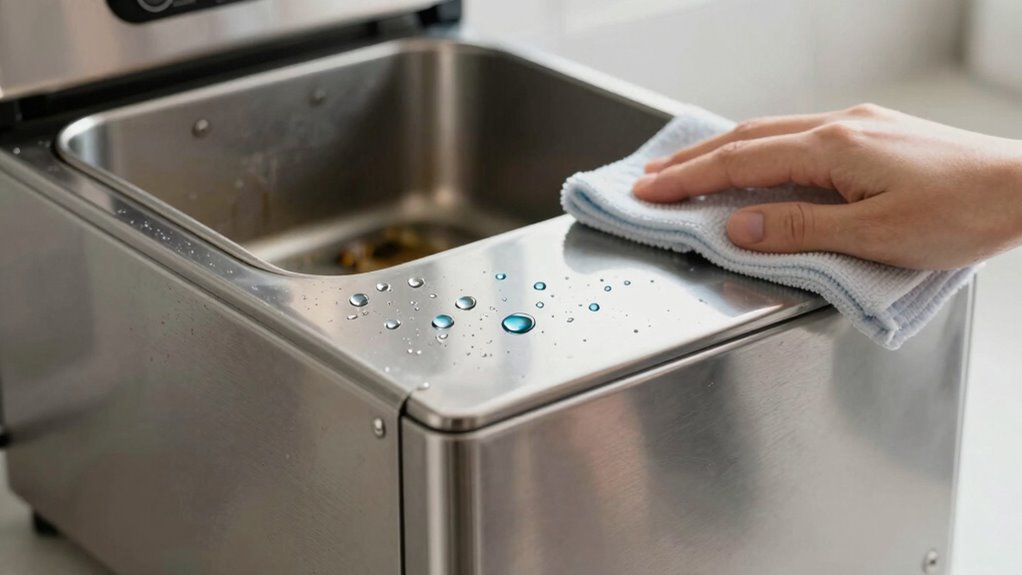
One common mistake that slows down fryer recovery is neglecting regular maintenance, especially failing to clean the heating element thoroughly. When equipment maintenance is overlooked, residue buildup insulates the element, decreasing efficiency. Poor cooking techniques, like overcrowding the fryer, also impair recovery speed by dropping oil temperature too rapidly. To fix this, establish a consistent cleaning routine and ensure all components are spotless, allowing heat transfer to remain at its best. Use proper cooking techniques by frying in smaller batches and avoiding sudden temperature drops. Regular equipment maintenance not only keeps the fryer running smoothly but also helps maintain a consistent temperature, reducing recovery time. Staying on top of cleaning and following correct cooking practices directly impacts how quickly your fryer recovers after each batch.
How Oil Quality Influences Fryer Recovery Speed
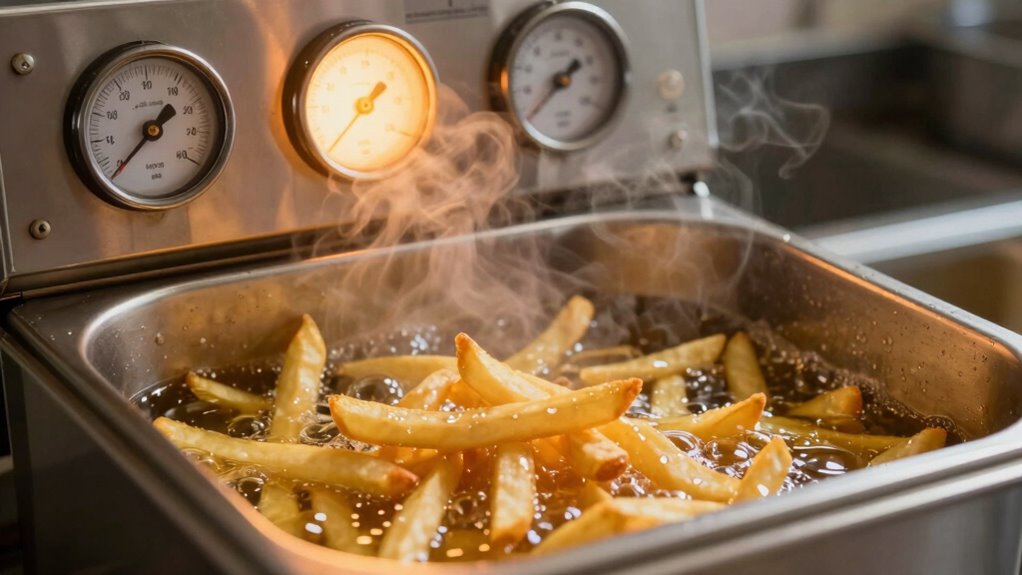
Oil quality plays a vital role in your fryer’s recovery speed because fresh, high-quality oil transfers heat more efficiently and maintains consistent temperature levels. When the oil is clean and properly refined, it absorbs less moisture and impurities, resulting in quicker heat transfer. This means your fryer can recover faster after loading. Additionally, better oil quality improves flavor retention, keeping your food tasting fresh and appealing.
Consider these points:
- Using high-quality oil reduces oil absorption, keeping food less greasy
- It maintains stable temperatures, speeding up recovery
- Cleaner oil preserves flavor retention, enhancing taste
- Less degradation means fewer filterings and oil changes, saving time
Using Recovery Metrics to Achieve Perfect Frying Results
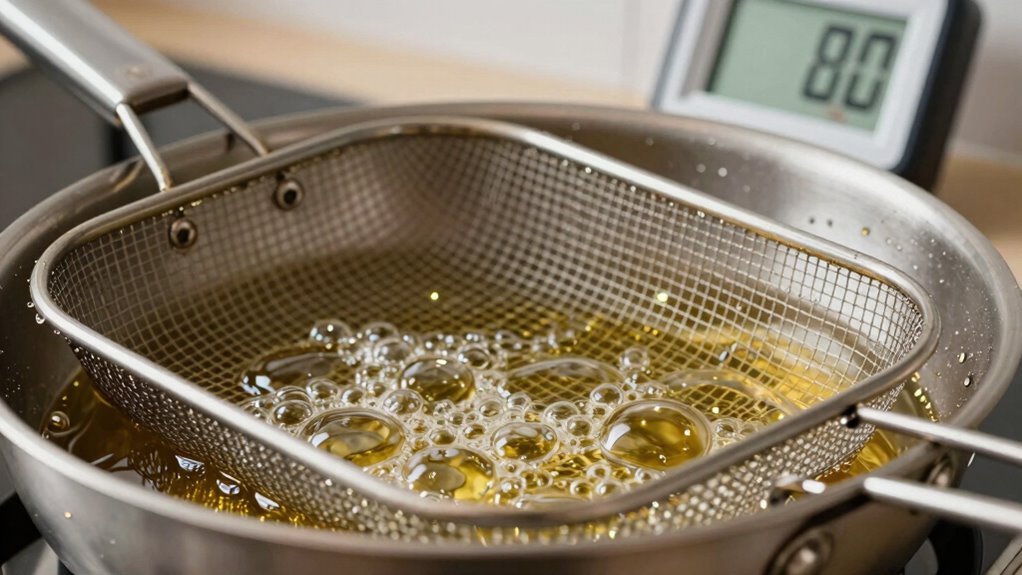
Tracking recovery metrics allows you to monitor your fryer’s performance in real-time, helping you fine-tune your process for consistently perfect results. When you pay attention to recovery times, you can optimize factors like oil temperature and heat transfer, which directly impact flavor enhancement. Faster recovery guarantees that your food maintains ideal frying conditions, preserving batter adhesion and preventing sogginess. By consistently analyzing these metrics, you can identify patterns that affect the quality of your fries or other fried items. Adjustments based on recovery data help you achieve uniform crispiness and better flavor, reducing waste and ensuring customer satisfaction. Ultimately, using recovery metrics as a guide helps you refine your frying process, guaranteeing consistent, high-quality results every time.
Frequently Asked Questions
How Does Fryer Size Impact Recovery Speed?
You’ll notice that larger fryers tend to recover faster because their increased size allows for better heat retention, especially if they have good fryer insulation. Additionally, a bigger fryer typically holds more oil, which benefits from efficient oil filtration, maintaining cleaner oil that heats more evenly. These factors help reduce recovery time, making larger fryers more efficient for busy kitchens. Proper insulation and filtration are key to maximizing recovery speed regardless of fryer size.
Can Recovery Speed Vary With Different Oil Types?
Yes, recovery speed can vary with different oil types. When you change oils, you’ll notice differences because of oil temperature and fat absorption rates. Thinner oils heat faster and help the fryer recover quickly, while thicker oils may slow down recovery. So, selecting an oil with ideal temperature stability and minimal fat absorption improves your fryer’s recovery speed, ensuring crispy, delicious results every time.
Is There a Standard Measurement Tool for Recovery Speed?
Yes, there is a standard measurement tool for recovery speed, often involving the use of temperature consistency and oil filtration. You can monitor how quickly your fryer recovers its temperature after loading food, which reflects its recovery efficiency. Many commercial fryers have built-in sensors and timers to track this. Ensuring proper oil filtration helps maintain consistent temperature, ultimately improving your fryer’s recovery speed and efficiency.
How Often Should I Test My Fryer’s Recovery Performance?
You should test your fryer’s recovery performance weekly or whenever you notice temperature fluctuations. Keep an eye on the oil temperature during busy periods to guarantee it quickly returns to the desired level. Regular fryer calibration helps maintain consistent recovery speed. By monitoring these aspects, you ensure your fryer operates efficiently, minimizes oil waste, and produces high-quality fried foods consistently.
Does Frying Multiple Batches Affect Overall Recovery Time?
Frying multiple batches is like running a marathon; it tests your fryer’s oil temperature and cooking efficiency. Each batch cools the oil slightly, making recovery time longer. To keep up, you need to monitor your fryer’s recovery speed closely, ensuring it heats back up quickly. This way, you maintain consistent quality and prevent oil temperature drops that could compromise your food’s crispiness and overall cooking performance.
Conclusion
Understanding your fryer’s recovery speed isn’t just technical jargon—it’s key to consistently crispy, delicious food. Did you know that a fryer with a fast recovery time can reduce oil absorption by up to 20%, leading to healthier results? By monitoring and improving this metric, you’ll guarantee every batch is perfectly cooked, saving you time and money. Keep an eye on recovery speed, and you’ll elevate your frying game every time!
Fall Picks
fall essentials
As an affiliate, we earn on qualifying purchases.