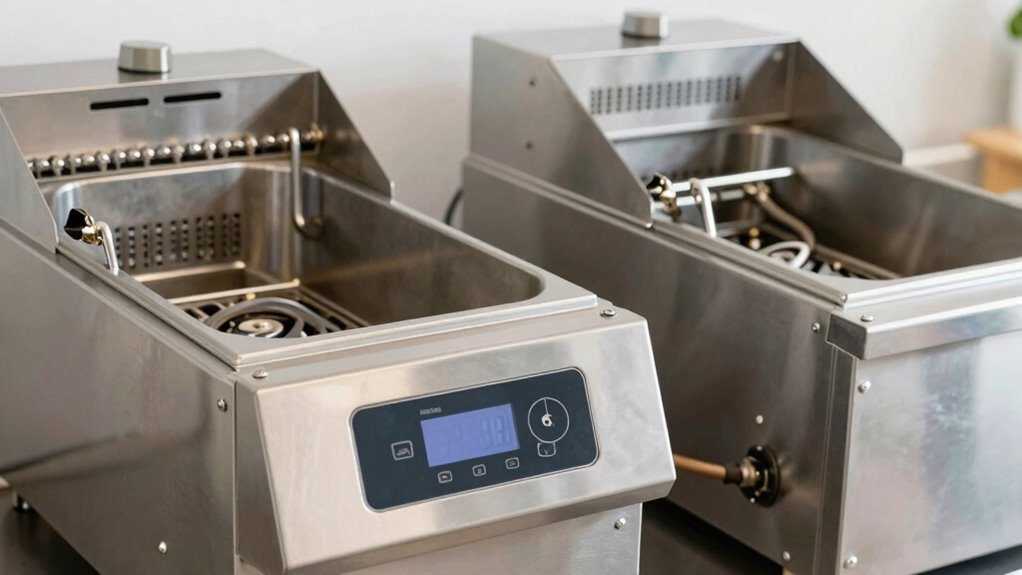
Choosing between a propane or electric fryer impacts your workflow, safety, and costs. Propane fryers heat quickly and are easy to transport outdoors, but they require more maintenance and safety checks. Electric fryers offer precise control, are energy-efficient, and easier to clean, but might be pricier upfront. The wrong choice can slow your kitchen or cause safety issues. Keep going to discover how to pick the best fryer for your needs and avoid costly mistakes.

Get kitchen staples and gadgets delivered free with Prime
- Fast, free delivery on millions of items
- Prime Video, Amazon Music and more included
- Member-only deals all year
Key Takeaways
- Choosing the wrong fryer type can lead to inefficient cooking, increased energy costs, and workflow disruptions.
- Propane fryers are ideal for outdoor or high-volume use, while electric fryers suit indoor, space-constrained environments.
- Incorrect selection may cause safety hazards, such as gas leaks or electrical issues, risking operational downtime.
- Mismatched fryers can complicate maintenance, leading to frequent breakdowns and costly repairs.
- An unsuitable fryer hampers food quality consistency, negatively impacting customer satisfaction and business reputation.
As an affiliate, we earn on qualifying purchases.
How Propane and Electric Fryers Differ: Key Factors
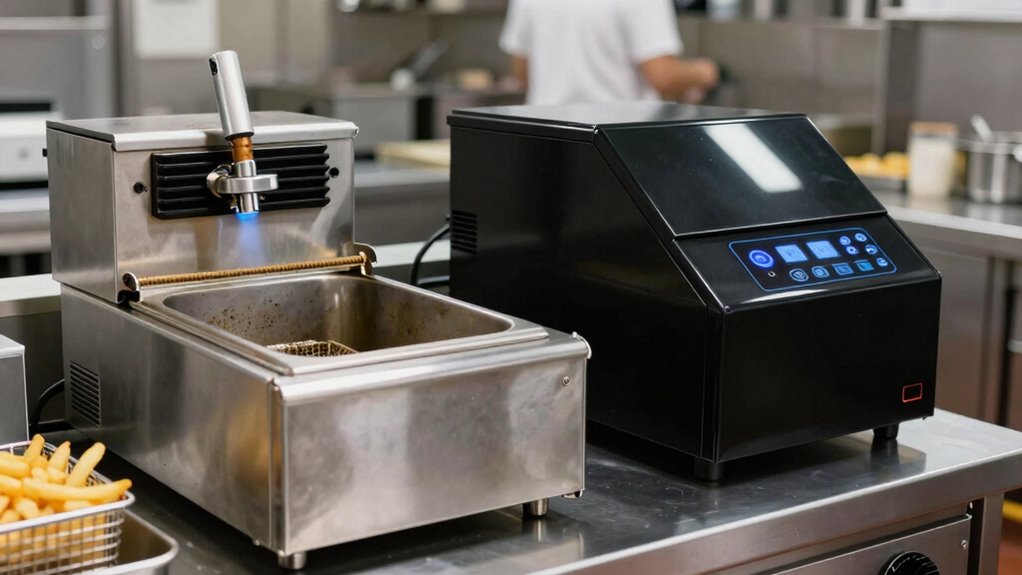
When choosing between propane and electric fryers, understanding their key differences can help you make an informed decision. Propane fryers heat quickly and reach high temperatures, making them ideal for busy kitchens. Electric fryers offer more consistent heat, which aids in even cooking and easier fryer seasoning to enhance flavor. Cleaning techniques differ as well; electric models often have simpler designs, making cleanup straightforward, while propane units may require more effort due to additional components. Propane fryers are portable and suitable for outdoor use, whereas electric fryers are typically more compact and stay indoors. Knowing these distinctions helps you select the right fryer for your workflow, ensuring smoother operations and better food quality. Additionally, heat control is generally more precise with electric models, which can be crucial for certain culinary applications. Moreover, understanding the performance capabilities of each type can influence your choice based on your specific needs. For example, fuel efficiency can vary significantly, impacting operational costs over time. Proper maintenance and understanding of cleaning techniques can also extend the lifespan of your fryer and improve safety.
As an affiliate, we earn on qualifying purchases.
Safety Tips for Propane and Electric Fryers
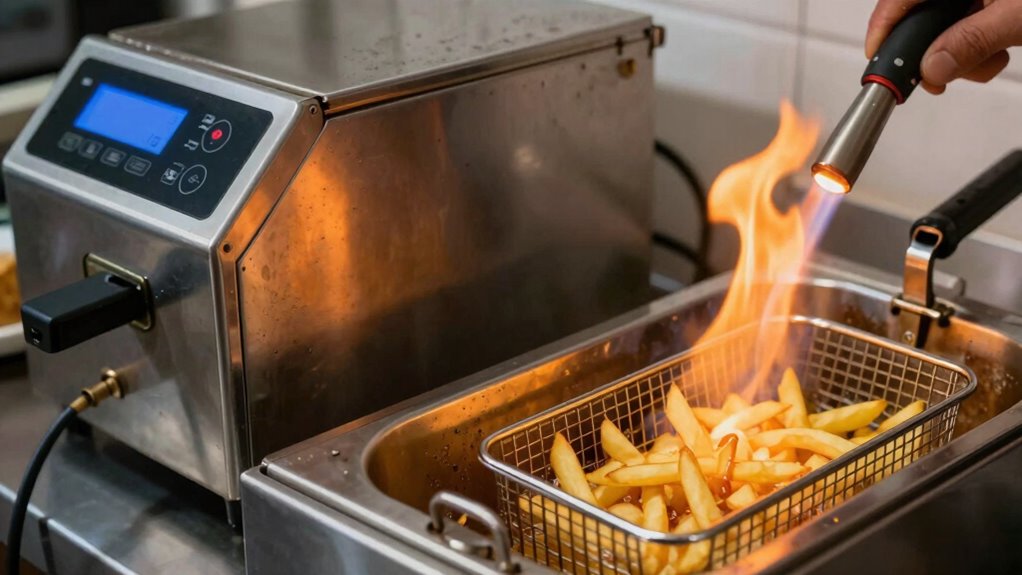
Safety is a vital consideration when operating both propane and electric fryers. Proper fryer safety starts with regular maintenance and careful handling of hot oil to prevent splashes and spills. Always keep a fire extinguisher nearby, and make sure your kitchen has adequate ventilation to manage heat and fumes effectively. For propane fryers, check connections and hoses for leaks to avoid gas buildup, and never leave the fryer unattended while in use. Electric fryers require minimal ventilation but still demand vigilance to prevent electrical hazards. Keep the area clear of flammable materials, and follow manufacturer instructions closely. Proper safety protocols reduce risks, protect your staff, and guarantee smooth workflow. Additionally, understanding the safety considerations for each type of fryer helps in designing better safety measures and emergency response plans. Regular inspection of projector technology can also help identify potential hazards related to electrical components. Implementing maintenance routines is crucial for ensuring ongoing safety and efficiency in your kitchen environment. Strict adherence to regional safety standards can further mitigate risks associated with fryer operation. Prioritize fryer safety and kitchen ventilation to maintain a safe, efficient cooking environment. Unplanned weather changes can also impact outdoor fryers, so being prepared for weather shifts is essential.
As an affiliate, we earn on qualifying purchases.
What You Need to Know About Fryer Installation and Space
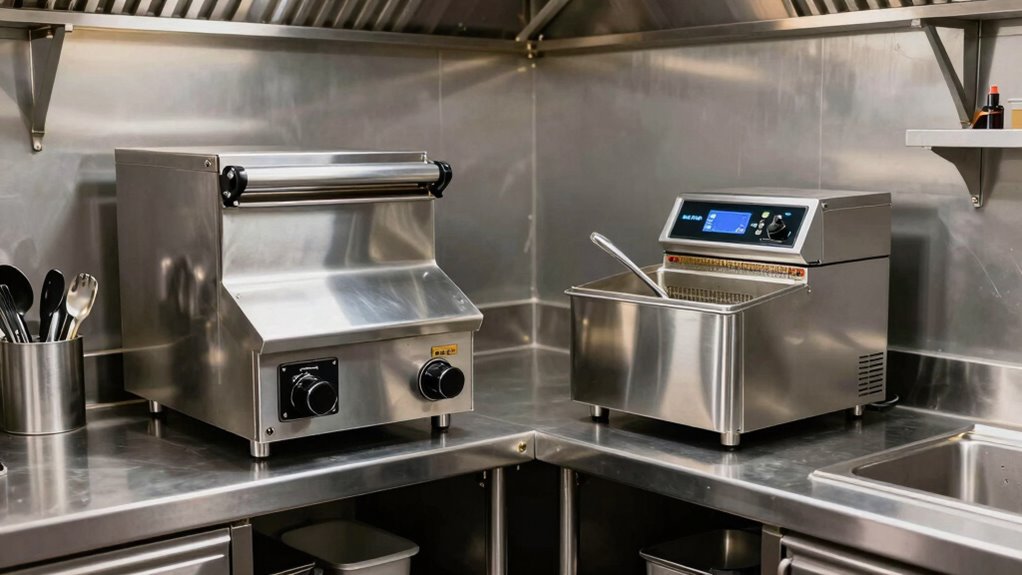
Before installing your fryer, make sure you have enough space for safe operation and easy maintenance. Pay attention to the layout, keeping clear pathways and proper ventilation. Always follow safety guidelines to prevent accidents and guarantee the unit functions correctly. Additionally, ensuring proper ventilation can significantly improve the efficiency and safety of your fryer setup. Proper filter sizing/flow is also essential to maintain optimal performance and avoid potential failures. A well-designed installation can help prevent burnout of the equipment and prolong its lifespan. Proper installation techniques are crucial to ensure that your fryer operates efficiently and safely over time.
Space Requirements and Layout
Installing a fryer requires careful planning of space and layout to guarantee safe and efficient operation. You need enough room for easy access, ventilation, and movement without crowding your workspace. Consider color options and brand comparisons to find equipment that complements your kitchen’s aesthetic and fits your layout. Some brands offer compact models ideal for tight spaces, while others provide larger units with more features. Confirm there’s enough clearance around the fryer for safe operation and maintenance. Check the manufacturer’s specifications for minimum space requirements and ventilation needs. Proper placement minimizes hazards and streamlines workflow, preventing bottlenecks during busy hours. Thoughtful planning now saves you headaches later, ensuring your fryer integrates seamlessly into your kitchen’s design and daily routine.
Installation Safety Guidelines
Proper installation is essential to guarantee your fryer operates safely and efficiently. Ensure your setup follows manufacturer guidelines, including proper ventilation and clearance space. Keep safety measures in mind, like installing fire suppression systems and grounding the fryer correctly. Regular fryer cleaning is crucial to prevent grease buildup, which can pose fire hazards and compromise safety. Proper placement also facilitates easy access for maintenance and cleaning, boosting customer satisfaction by maintaining high-quality fried goods. Avoid clutter around the fryer to reduce accident risks and ensure easy operation. Check local codes and regulations to stay compliant. A well-installed fryer not only enhances safety but also prolongs equipment life, minimizes downtime, and keeps your workflow smooth and efficient. Incorporating installation safety guidelines can help prevent costly accidents and ensure your setup adheres to all necessary standards.
gas and electric fryer safety kit
As an affiliate, we earn on qualifying purchases.
As an affiliate, we earn on qualifying purchases.
Key Factors Affecting Propane and Electric Fryer Performance
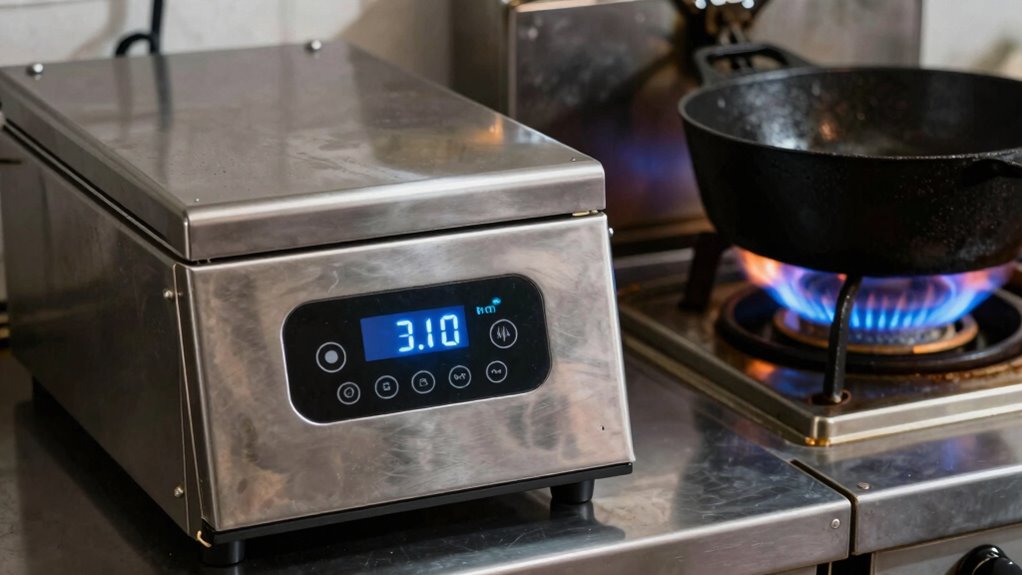
The performance of propane and electric fryers hinges on several key factors that can influence their efficiency, safety, and overall operation. Fryer accessories, like baskets and thermometers, play an essential role in maintaining consistent cooking conditions and ensuring safety. Proper cooking techniques, such as controlling oil temperature and load size, are critical for achieving ideal results and preventing equipment strain. The fryer’s design, including insulation and heating elements, directly impacts heat transfer and energy use. Maintenance routines and cleanliness also affect performance; buildup can hinder heat efficiency and safety. Additionally, selecting the right fuel source involves understanding the energy efficiency and operational costs associated with each type. Understanding these factors helps you select the right fryer and maximize its operation, ensuring reliable, safe, and high-quality frying every time. Regular inspections and adherence to safety protocols are vital to prevent accidents and maintain a secure working environment. Proper fuel management can further optimize performance and reduce expenses over time. Incorporating advanced heating technologies can also enhance energy conservation and operational consistency. Moreover, staying informed about emerging trends in fryer technology can help you adopt innovations that improve efficiency and safety in your workflow.
Cost Breakdown: Initial Purchase and Operating Expenses
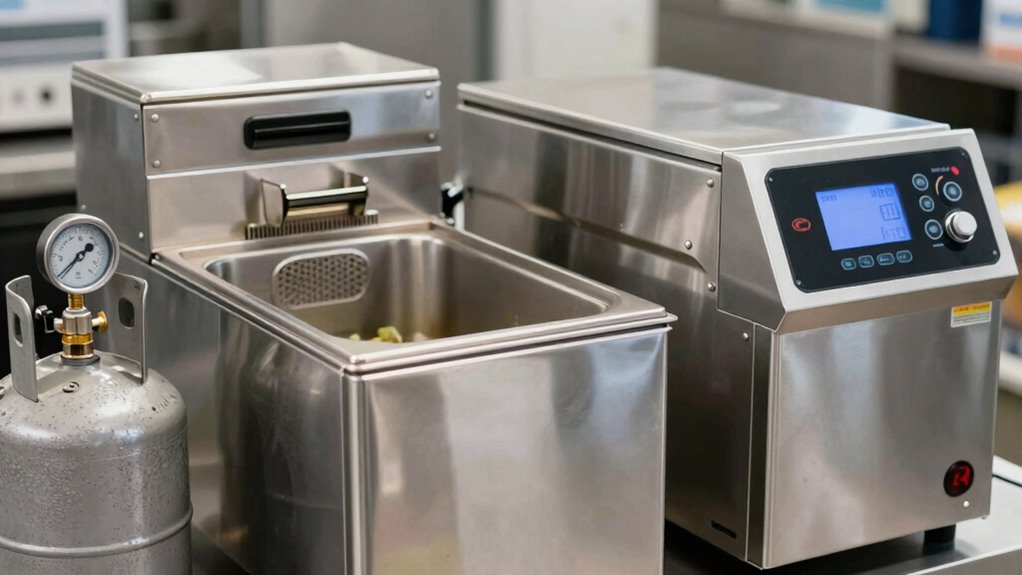
When comparing propane and electric fryers, understanding the costs involved from the start can help you make a more informed decision. The initial purchase price varies based on fryer design and cooking capacity, with electric models often costing more upfront due to complex heating elements. Propane fryers might have a lower initial cost, but their setup requires a gas line and safety features. Operating expenses depend on energy consumption: electric fryers generally have higher electricity costs but less maintenance, while propane fryers incur ongoing fuel costs. Additionally, larger fryers with higher cooking capacity may increase both purchase price and energy use, influencing your budget. Evaluating these factors guarantees your choice aligns with your financial and operational needs. Understanding energy consumption is crucial to avoid unexpected expenses and ensure efficiency over time. Properly assessing long-term operating costs can help prevent surprises and optimize your workflow efficiency, especially considering the initial setup requirements for each type. Being aware of safety considerations helps mitigate potential hazards during operation and setup.
Environmental Impact of Propane vs. Electric Fryers
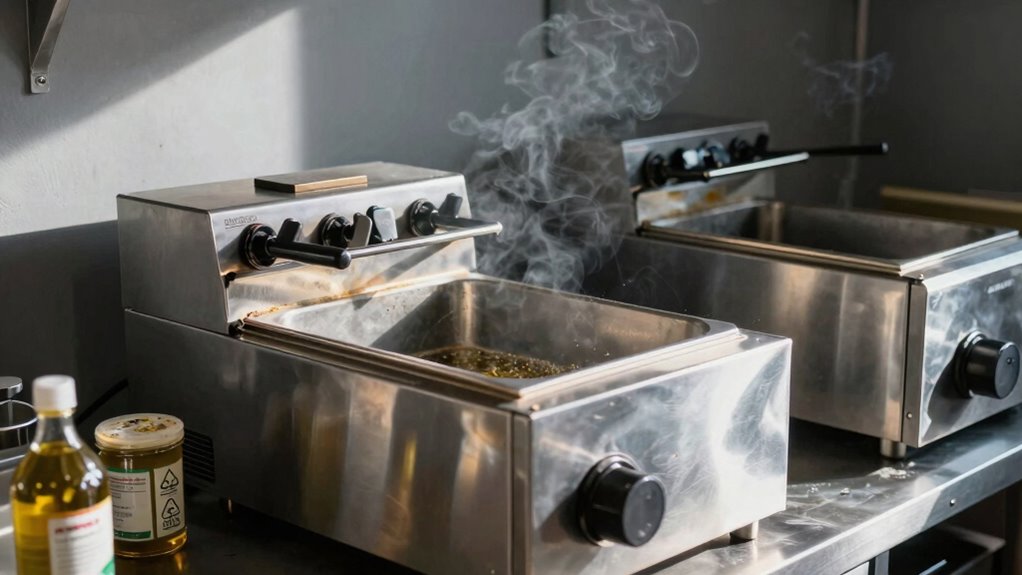
When comparing propane and electric fryers, you’ll want to take into account their emissions and how they affect air quality. Electric models often use less energy and produce fewer pollutants, making them potentially more environmentally friendly. However, the source of electricity impacts their overall efficiency and environmental footprint. Additionally, considering the presence of microplastics in dust and how kitchen appliances contribute to indoor air quality can influence your choice. The type of fuel used can also affect the generation of greenhouse gases, which are crucial to consider in sustainable practices.
Emissions and Air Quality
Choosing between propane and electric fryers considerably impacts air quality because each type releases different pollutants during operation. Propane fryers emit nitrogen oxides and carbon monoxide, contributing to smog and poor air quality. Electric fryers produce no combustion emissions, making them cleaner for indoor air. Fuel efficiency matters here—electric fryers typically convert energy more effectively, reducing emissions associated with energy production. Propane fryers may have lower initial costs but can lead to higher maintenance costs over time due to venting and filter needs, which also affect air quality. If air quality is a priority, electric fryers minimize harmful pollutants. Conversely, propane units require proper ventilation and regular upkeep to manage emissions, directly influencing your workspace’s air cleanliness and health standards.
Energy Efficiency and Usage
Electric fryers generally convert energy more efficiently than propane units, meaning they use less power to produce the same amount of heat. This efficiency supports better energy conservation because it reduces overall power consumption. Your usage patterns also influence efficiency; frequent, shorter cooking cycles favor electric fryers, which heat up quickly and recover temperature faster. Propane fryers may seem cost-effective initially, but their energy loss during combustion makes them less efficient overall. By choosing electric units, you minimize wasted energy and lower your environmental footprint. Properly managing your usage patterns—like turning off the fryer when not in use—can further enhance efficiency. Overall, electric fryers are better suited for conserving energy and aligning with sustainable practices in your workflow.
Choosing the Right Fryer for Your Business Size and Volume
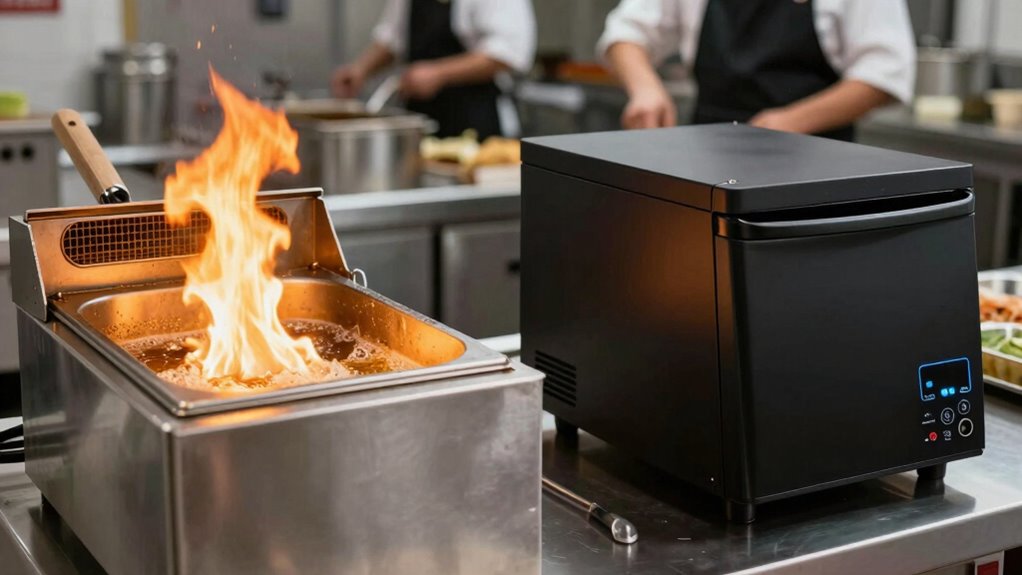
Selecting the right fryer depends largely on your business’s size and expected volume. If you run a small operation or serve limited orders, a compact fryer with simple controls might suit your needs. Larger venues or high-volume establishments require bigger fryers capable of handling continuous orders without slowing down. Consider fryer aesthetics—styles and finishes that match your kitchen’s look—and how easy they are to clean and operate. Brand reputation also matters; trusted brands often ensure reliable performance and better customer support, minimizing downtime. Choosing a fryer that aligns with your business size helps optimize workflow, reduces energy waste, and improves safety. Don’t overlook how well the equipment integrates into your space—functionality and presentation are both key to long-term success.
Maintaining and Troubleshooting Propane and Electric Fryers
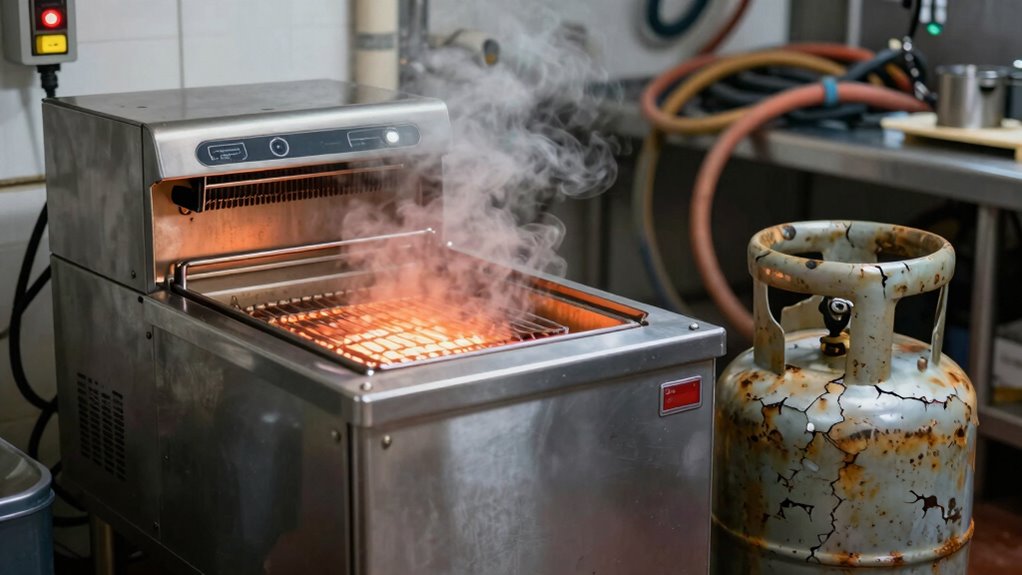
Regular maintenance is essential to keep both propane and electric fryers operating efficiently and safely. Regular fryer maintenance includes cleaning oil filters, checking for leaks, and inspecting electrical connections or gas lines. Proper upkeep prevents breakdowns and extends your fryer’s lifespan. Troubleshooting techniques involve identifying common issues like inconsistent temperature, oil smoking, or uneven cooking. For propane fryers, confirm gas pressure is adequate and that burners are clean. For electric fryers, verify thermostats and heating elements are functioning correctly. Always turn off and unplug your fryer before inspection. Address problems promptly to prevent further damage and ensure safety. Consistent fryer maintenance and effective troubleshooting keep your workflow smooth and minimize downtime, saving you time and money.
How to Pick the Right Fryer for Your Workflow
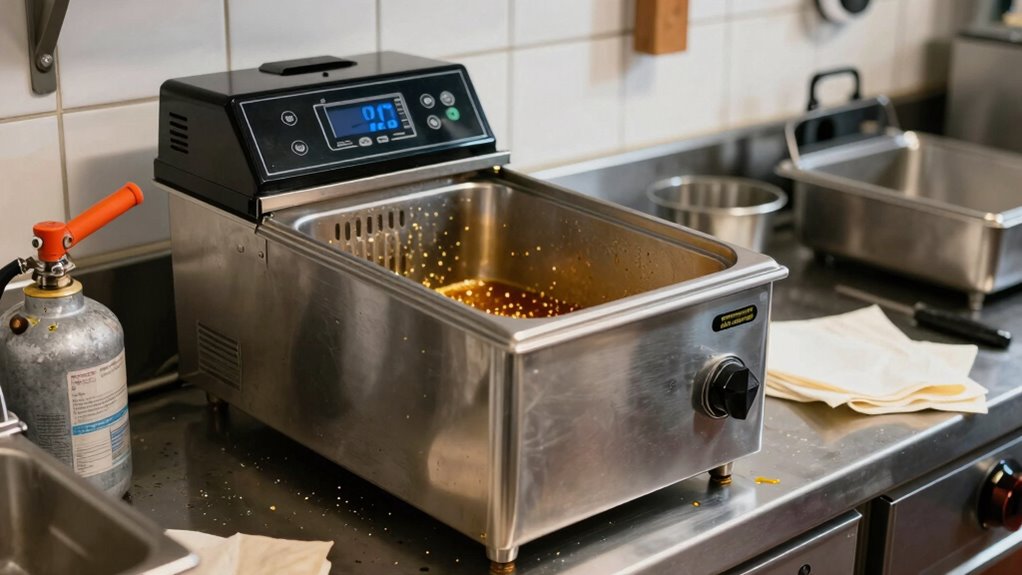
Choosing the right fryer depends on understanding your specific workflow needs and operational environment. Consider how the fryer’s aesthetics fit your space; a sleek, professional look can enhance your kitchen’s atmosphere. Pay attention to brand reputation—reliable brands often guarantee better durability and service. Think about the volume of your daily fryers and whether a larger capacity is necessary or if a compact model suits your space. Also, evaluate ease of maintenance, as this impacts uptime and efficiency. Visualize your kitchen with:
- A modern fryer that complements your decor
- A trusted brand assuring consistent performance
- A size that matches your daily demand
- An intuitive design for quick cleaning
These factors help you select a fryer that seamlessly integrates into your workflow, avoiding future frustrations.
Frequently Asked Questions
Can I Switch Between Propane and Electric Fryers Easily?
You can’t easily switch between propane and electric fryers because each requires a different setup, following specific safety regulations and installation processes. Changing from one type to another involves more than just plugging in or connecting a gas line; it demands proper installation, safety checks, and sometimes modifications to your workspace. To guarantee safety and compliance, it’s best to choose the right fryer type initially, rather than attempting a switch later.
Which Fryer Type Offers Better Consistency in Frying Results?
Choosing the right fryer is like finding a reliable friend. Electric fryers offer better consistency, maintaining steady oil temperature, which guarantees even cooking and reliable frying speed. Propane fryers can fluctuate more, risking uneven results. If you prioritize precise control and uniformity in your frying, an electric fryer helps you achieve predictable, high-quality results every time, making it easier to serve perfectly fried dishes consistently.
Are There Specific Permits Required for Propane Fryer Installation?
Yes, you need specific permits for propane fryer installation. You must follow safety regulations and proper installation procedures to guarantee compliance. Check with local fire departments and health authorities, as they often require permits to prevent hazards. Failing to obtain these permits can lead to fines or shutdowns. Always prioritize safety regulations and professional installation procedures to keep your workspace compliant and safe.
How Does Energy Efficiency Compare Over the Fryer’s Lifespan?
Your fryer’s energy efficiency can make or break your budget over its lifespan. Electric fryers typically consume less energy, leading to significant cost savings and less environmental impact. Propane models might seem cheaper upfront, but their higher energy consumption can drain your wallet long-term. Think of it as choosing a path that saves you from costly energy bills, ensuring your workflow stays smooth and profitable for years to come.
What Are the Common Maintenance Challenges Unique to Each Fryer Type?
You’ll face unique maintenance challenges with each fryer type. For propane fryers, you must prioritize fryer safety by regularly checking gas lines and connections for leaks, and follow strict maintenance schedules to prevent dangerous leaks or fires. Electric fryers require routine inspections of heating elements and electrical components to avoid malfunctions. Staying diligent with maintenance schedules guarantees peak performance and safety, preventing costly repairs and downtime in your workflow.
Conclusion
Choosing between propane and electric fryers is like picking the right shoes for a hike—you need the perfect fit for your journey. Consider your space, safety, costs, and environmental impact to make an informed decision. When you match the fryer to your business needs, it’ll run smoothly like a well-oiled machine. In the end, the right choice will keep your workflow flowing seamlessly, so you can focus on serving up delicious moments, not fryer frustrations.
Halloween Picks
halloween
As an affiliate, we earn on qualifying purchases.