Start by inspecting all equipment to guarantee it’s working properly, including checking the temperatures of refrigerators and freezers. Verify safety devices like fire extinguishers, exhaust hoods, and gas lines are accessible and functioning. Confirm PPE supplies are stocked, and identify any hazards like slippery floors or loose wiring. Clean and sanitize surfaces and utensils for food safety. Keep detailed records of each step to stay compliant. Continue exploring to learn how to create a thorough daily safety checklist tailored for your food truck.

Get kitchen staples and gadgets delivered free with Prime
- Fast, free delivery on millions of items
- Prime Video, Amazon Music and more included
- Member-only deals all year
Key Takeaways
- Outline specific equipment inspections, including temperature checks and appliance functionality, to ensure safe operation from the start.
- Include a checklist for verifying proper food storage, cleanliness, and sanitation protocols before opening.
- Incorporate safety equipment inspections, such as fire extinguishers and gas leak tests, to confirm readiness.
- Conduct a hazard walk-through to identify and address potential safety risks like slips, electrical issues, or loose fixtures.
- Document all safety checks and maintenance activities to ensure accountability and compliance with health regulations.
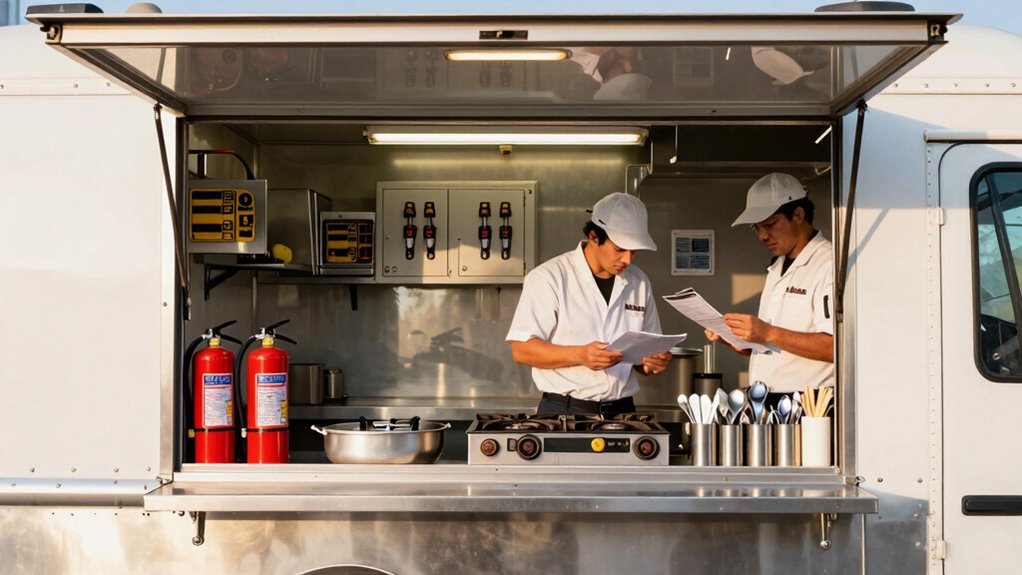
Starting your day with a thorough safety check is essential to guarantee your food truck operates smoothly and safely. When you prioritize this, you set the tone for a successful day, minimizing risks and ensuring compliance with food safety protocols. Begin by inspecting your equipment to confirm everything is in proper working order. Check that refrigerators and freezers are maintaining the correct temperatures, and ensure all cooking appliances are clean, functional, and free of any damage. Equipment maintenance is key to preventing breakdowns during busy hours and avoiding contamination risks. If you find any issues, address them immediately or document repairs needed before opening.
Next, move on to your food storage areas. Verify that raw ingredients are stored correctly, separated to prevent cross-contamination, and that all perishables are within their expiration dates. Proper storage is a cornerstone of food safety protocols, helping you avoid health violations and safeguarding your customers. Also, clean and sanitize all surfaces, utensils, and cookware, as cleanliness directly impacts food safety. Use approved sanitizing agents and ensure every area where food is prepared or handled is spotless.
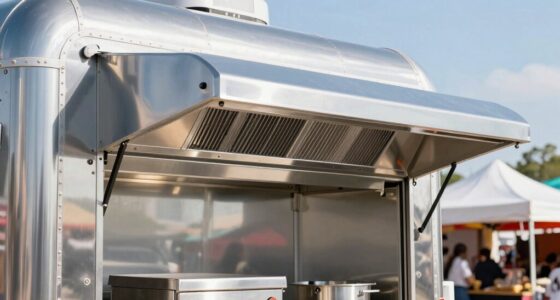
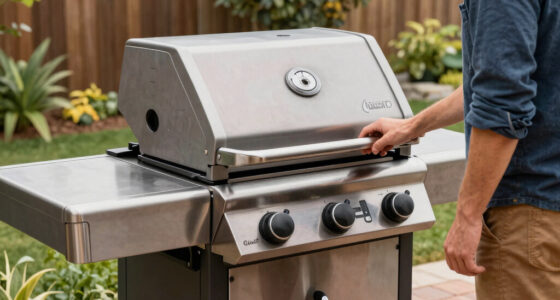
Check your fire safety equipment, including fire extinguishers, exhaust hoods, and fire suppression systems. Confirm they’re accessible, fully charged, and up to date with inspections. Safety equipment like this is crucial for protecting yourself and your staff from emergencies. Don’t forget to test your gas lines and electrical systems for leaks or faults. Faulty wiring or gas leaks pose serious safety hazards, so addressing any irregularities immediately is non-negotiable. Performing regular safety inspections ensures ongoing compliance and safety.
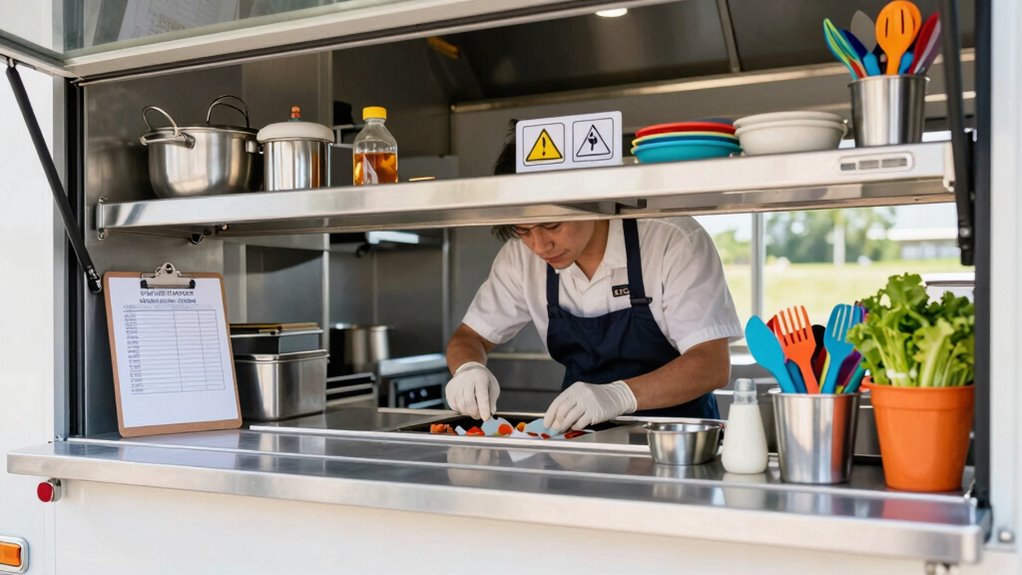
Your daily safety check should also include a review of personal protective equipment (PPE). Ensure that gloves, aprons, and hairnets are available and in good condition for staff members. This not only promotes food safety protocols but also protects your team and customers from potential contamination. Conduct a quick walkthrough of the entire truck, looking for any hazards such as loose wiring, slippery floors, or clutter that could cause accidents. Clear pathways are vital for safe and efficient operations.
Finally, review your opening checklist for consistency and completeness. Make sure all safety measures are verified and documented, providing accountability for yourself and your team. Regularly inspecting your safety equipment and ensuring it is in working order can prevent potential emergencies. This routine ensures you don’t overlook any critical steps, keeping your food truck compliant, safe, and ready to serve. A consistent daily safety check forms the foundation of a successful business, reducing risks and instilling confidence in your operations from the moment you start your day.
food truck refrigerator thermometer
As an affiliate, we earn on qualifying purchases.
As an affiliate, we earn on qualifying purchases.
Frequently Asked Questions
What Safety Equipment Is Mandatory for Daily Checks?
You must guarantee your daily safety check includes a fire extinguisher and gas leak detection. Verify the fire extinguisher is fully charged and accessible, and inspect it for any damage. Check gas lines for leaks using a soap solution or gas detector. Additionally, confirm that all safety equipment, like first aid kits and emergency stops, are in place and functional. This keeps you ready to handle emergencies safely and complies with regulations.
How Long Should the Safety Check Process Take?
You should aim to complete your daily safety check within 15 to 30 minutes. This timeframe allows you to thoroughly inspect equipment maintenance and guarantee safety protocols are up to date. Incorporate staff training into this process to make it efficient; well-trained staff can quickly identify issues and perform checks confidently. Keeping the process concise yet detailed helps maintain safety standards without delaying your opening.
Who Should Be Responsible for Conducting the Safety Check?
You should assign a trained staff member, like the food truck manager or a designated safety officer, to conduct the safety check. Make sure they receive proper staff training and understand check documentation thoroughly. This person’s responsibility is to verify all safety protocols are followed, document findings accurately, and address any issues promptly. Regular staff training keeps everyone informed, guaranteeing the safety check is thorough and effective every day.
How Often Should Safety Check Procedures Be Reviewed?
You should review your safety check procedures at least quarterly, or more often if you notice issues. This keeps your safety culture strong and guarantees staff stay sharp. Regular reviews prevent complacency and reinforce employee training, making safety second nature. Think of it as giving your food truck’s safety system a turbo boost, keeping everyone alert and prepared for any emergency—because safety isn’t just a rule, it’s your top priority.
What Are Common Safety Hazards Overlooked During Checks?
You might overlook hazards like loose wiring, slippery floors, or improperly stored chemicals during checks. Regular maintenance procedures help identify these issues, but staff training is crucial to spot safety risks effectively. Make sure your team knows to check for electrical faults, clean spills promptly, and verify safety equipment. By combining diligent maintenance with ongoing staff training, you reduce the chances of missing common hazards that could cause accidents or injuries.
fire extinguisher for food trucks
As an affiliate, we earn on qualifying purchases.
As an affiliate, we earn on qualifying purchases.
Conclusion
Now that you’ve set up your daily safety check, you’re one step closer to a smooth, accident-free day. But what if something slips through the cracks? Stay vigilant—your food truck’s safety depends on it. Keep your checklist handy, stay alert, and don’t let your guard down. The next unexpected issue could be just around the corner. Are you truly prepared for anything that might come your way? The answer could make or break your day.
As an affiliate, we earn on qualifying purchases.
As an affiliate, we earn on qualifying purchases.
Halloween Picks
halloween
As an affiliate, we earn on qualifying purchases.