When upgrading mobile kitchen equipment, focus on energy efficiency ratings to cut costs and reduce environmental impact. Check labels and specs to compare long-term savings versus upfront costs. Use energy management technologies like monitors and timers to track consumption and avoid overloads. Planning for lower power models and spreading usage can prevent waste and extend equipment life. To discover even more ways to optimize energy, keep exploring how these strategies come together for your setup.
Key Takeaways
- Prioritize energy-efficient appliances with high ratings to reduce long-term power costs and environmental impact.
- Review energy labels and specifications to compare efficiency and estimate potential savings.
- Use energy management systems and real-time monitoring for optimized equipment operation.
- Plan equipment load to avoid overloading circuits and ensure efficient power use.
- Invest in newer, energy-saving models to extend equipment lifespan and lower maintenance costs.
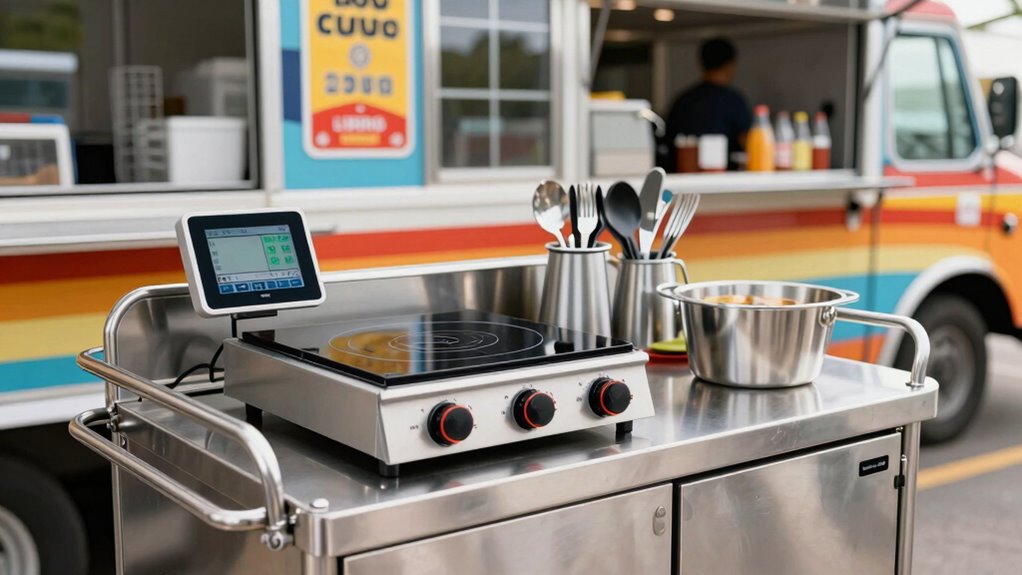
Upgrading mobile kitchen equipment is a smart way to improve efficiency and service, but it’s essential to take into account energy use during the process. When selecting new appliances or systems, prioritizing energy efficiency can make a significant difference in your operational costs and environmental impact. Focus on equipment with high energy efficiency ratings, as these are designed to use less power while maintaining performance. This not only helps reduce your overall power consumption but also ensures you’re making sustainable choices that benefit both your business and the planet.
Prioritize energy-efficient equipment to cut costs and reduce environmental impact in your mobile kitchen upgrades.
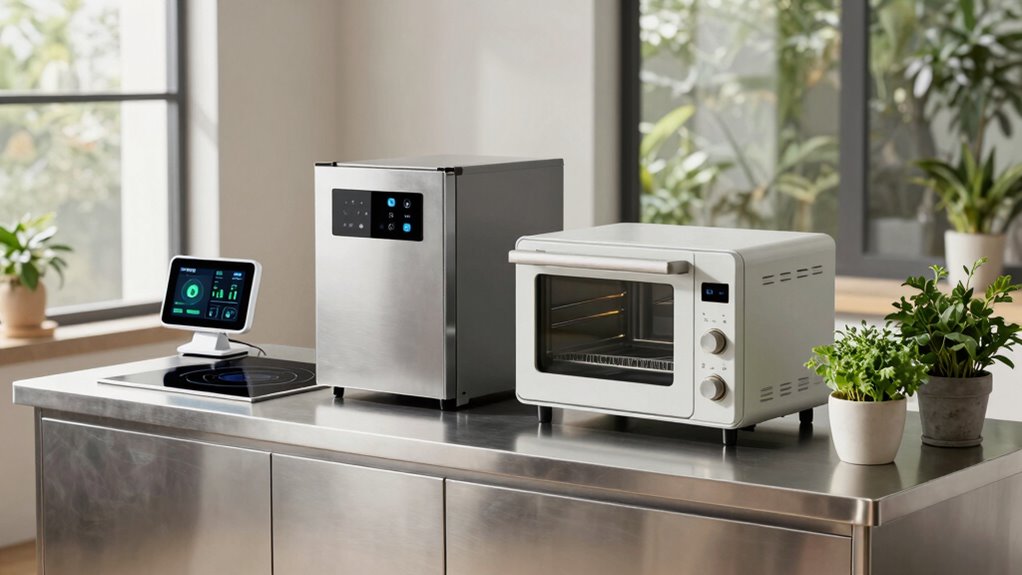
Understanding the power consumption of different appliances is critical. Before making any upgrades, review the energy labels and specifications to compare their efficiency. Equipment that consumes less power might have a higher upfront cost, but the savings in energy bills over time will usually outweigh that initial investment. Keep in mind that power consumption isn’t just about the wattage; it’s also about how often and for how long the equipment runs. Choosing appliances with smart features, like timers or automatic shut-off functions, can help manage power consumption more effectively, preventing unnecessary energy waste during idle periods. Additionally, incorporating energy management systems can help optimize overall energy usage and identify areas for further savings. Incorporating energy monitoring technology can provide real-time data to help you make better decisions about your energy consumption.
When planning your upgrade, consider the overall energy load of your mobile kitchen. Overloading with high-power equipment can strain your power source and lead to higher energy costs, especially if you’re relying on generators or limited power supplies. Spread out the use of high-energy appliances and opt for models that operate efficiently at lower power levels. Incorporating energy management systems can also help monitor real-time power use, giving you better control and insight into where energy is being consumed most. Being aware of energy consumption patterns can enable more strategic planning and reduce waste.
You should also think about the long-term impact of your upgrade. Energy-efficient equipment often requires less maintenance, reducing downtime and repair costs, which further improves your operational efficiency. Additionally, leveraging energy-saving features can extend the lifespan of your appliances, saving you money in the long run. When shopping, ask vendors about the energy-saving technologies integrated into their products, and don’t hesitate to invest in newer models that emphasize reduced power consumption and enhanced energy efficiency. Remember, choosing energy-efficient appliances can significantly contribute to lowering your overall carbon footprint.

SHINLHUA Adjustable 12H Timer USB Extension Line Energy Efficiency Switches for LED Lamp Charging Kitchen Appliances 5V 2A
- Adjustable 12-Hour Timer: Set countdown from 1 to 12 hours
- Precise Energy Management: Control LED lights, fans, aquariums
- Durable 60cm Cable: Long-lasting, flexible extension cord
As an affiliate, we earn on qualifying purchases.
As an affiliate, we earn on qualifying purchases.
Frequently Asked Questions
How Can I Estimate Energy Savings Before Upgrading?
You can estimate energy savings before upgrading by comparing the current energy consumption of your existing equipment with the energy efficiency ratings of potential new options. Look at specifications and energy labels to assess upgrade considerations. Use online calculators or consult manufacturers’ data to project potential savings. This approach helps you make informed decisions, ensuring your upgrade reduces energy use and lowers operational costs effectively.
What Are the Most Energy-Efficient Mobile Kitchen Appliances?
You should look for mobile kitchen appliances with Energy Star ratings, as they’re designed to be energy-efficient and save you money over time. Check appliance warranties, too, since longer warranties often indicate higher quality and durability. Prioritize appliances with high ratings and solid warranties, ensuring you get efficient, reliable equipment that reduces energy consumption and minimizes maintenance costs, making your mobile kitchen more sustainable and cost-effective.
How Does Equipment Size Affect Energy Consumption?
Equipment size directly impacts your energy consumption; larger units typically use more energy because they require more power to operate. When you choose equipment sizing, consider your actual needs—oversized equipment increases energy impact and wastes resources, while appropriately sized units optimize efficiency. Smaller, well-matched equipment can reduce energy use, save costs, and improve your mobile kitchen’s overall sustainability. Balancing size with demand is key to managing energy impact effectively.
Are There Government Incentives for Energy-Efficient Upgrades?
Yes, there are government incentives for energy-efficient upgrades. You can take advantage of policy incentives that promote renewable sources and reduce energy consumption. These incentives often come as rebates, tax credits, or grants that help offset costs for upgrading to more efficient mobile kitchen equipment. By leveraging these programs, you not only save money but also support sustainability efforts, making your upgrades both eco-friendly and financially beneficial.
How Often Should I Perform Energy Audits on Mobile Equipment?
Think of your mobile kitchen like a car—regular tune-ups keep it running smoothly. You should perform energy audits every 6 to 12 months, especially when upgrading equipment. Use energy monitoring tools to track consumption and compare against efficiency benchmarks. This approach helps you identify inefficiencies early, saving costs and reducing environmental impact, just like a mechanic catching issues before they become costly repairs.

Verdant VX Series Wired Energy Management Thermostat, LCD Display, Built-in Occupancy Sensor, Hotel PTAC Thermostat, White
- Compatible with PTAC and VTAC units: Controls PTAC, VTAC, and heat pumps
- Quick installation: Install in 10 minutes
- Model options available: Includes VX-TW-RM, VX-TW-SA, VX-TW-KT, VX-TW-XMF
As an affiliate, we earn on qualifying purchases.
As an affiliate, we earn on qualifying purchases.
Conclusion
By considering energy use when upgrading your mobile kitchen equipment, you’re planting seeds for a greener future. Think of it as steering a ship through calm waters—every efficient choice helps you navigate smoothly and avoid stormy energy bills. Making smart upgrades not only saves you money but also reduces your environmental footprint. So, stay mindful of energy, and you’ll guarantee your mobile kitchen runs like a well-oiled machine, ready to serve with purpose and care.

Kitchen Timers for Cooking, Chef Cooking Timer Clock with Loud Alarm – 100% Mechanical Desk Timer – No Batteries Required – Magnetic Backing, Exquisite Stainless Steel Body – Countdown Reminder
- Material: Premium 304 stainless steel construction
- Design: Saucer-shaped with sleek aesthetic
- Magnetic Back: Adheres to metal surfaces easily
As an affiliate, we earn on qualifying purchases.
As an affiliate, we earn on qualifying purchases.
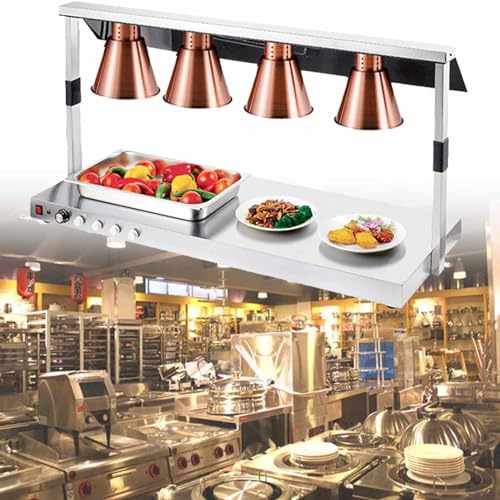
Commercial Food Heating Lamp, Energy-Saving Food Heater, Professional Kitchen Equipment, Suitable for Hotels, Restaurants
- Easy to Clean: Stylish design for simple maintenance
- Multi-Scene Use: Ideal for restaurants, buffets, and homes
- Even Heat Distribution: Ensures consistent warming
As an affiliate, we earn on qualifying purchases.
As an affiliate, we earn on qualifying purchases.