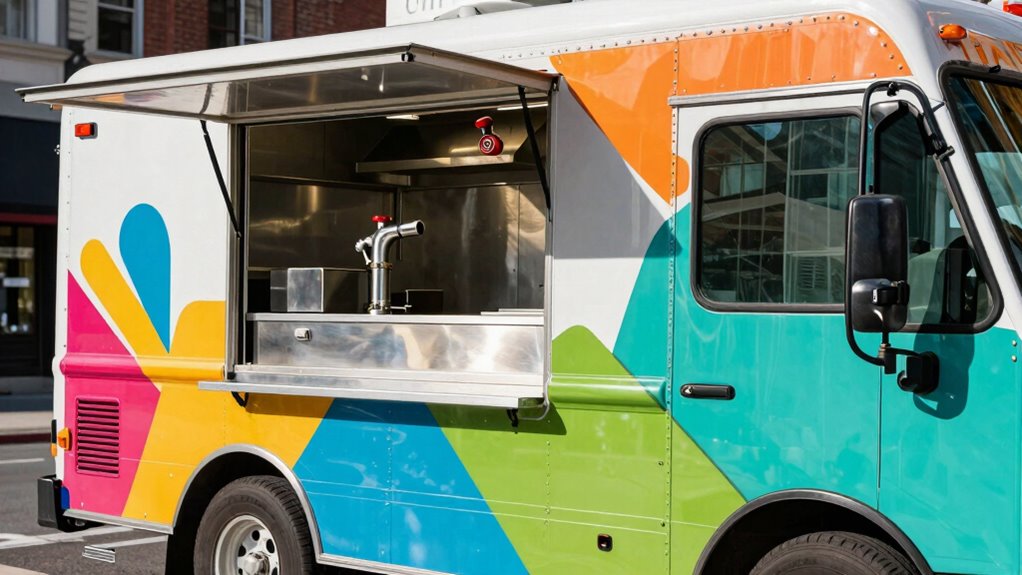

Before choosing a fire suppression system for your food truck, make certain it’s properly installed by professionals familiar with mobile kitchens. Check that it covers all cooking areas and has reliable gas leak sensors or alarms, since early detection can prevent costly damage and injuries. Understand the different agent options, like clean agents for electrical fires or wet chemicals for grease fires, to meet safety regulations. Keep up with regular maintenance and inspections—that’s key to keeping your system ready. Learn more to fully protect your truck and staff.
Prime for Young Adults — start your free trial
Fast free delivery, streaming and member deals for eligible 18–24 year olds.
As an affiliate, we earn on qualifying purchases.
Key Takeaways
- Ensure the system is properly sized and installed by professionals experienced with mobile kitchens.
- Choose the right agent (clean or wet chemical) based on your cooking equipment and fire risks.
- Regular maintenance, inspections, and testing are essential to keep the system reliable and compliant.
- Incorporate gas leak detection sensors for added safety against propane or natural gas leaks.
- Verify system compliance with local fire safety regulations to avoid penalties and ensure optimal protection.
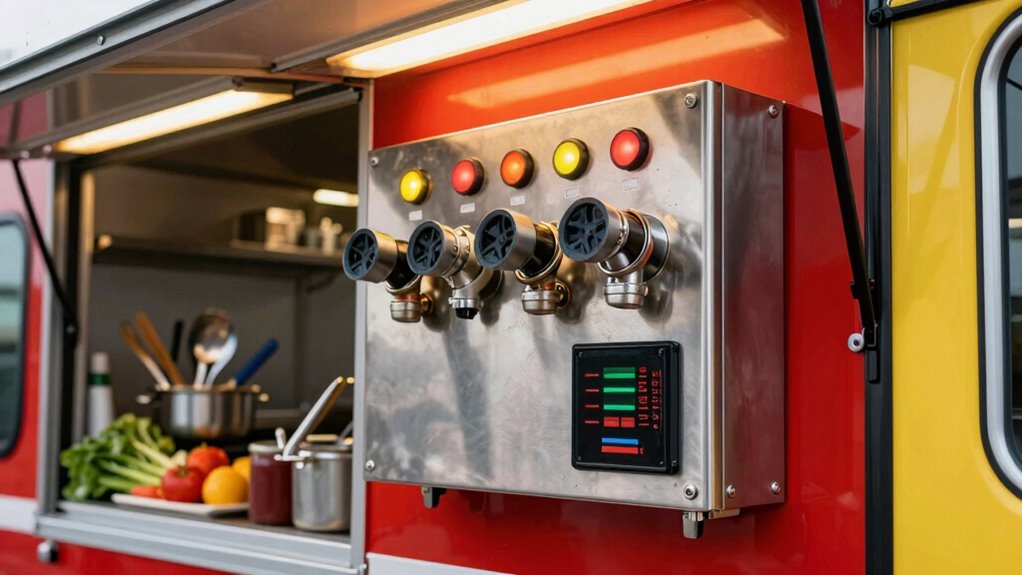
Fire suppression systems are essential for keeping your food truck safe, especially since cooking equipment can quickly become a fire hazard. When you’re considering installing one, it’s vital to understand how these systems work and what features are most important. A well-designed system not only extinguishes fires effectively but also helps prevent future risks by addressing common issues like gas leaks. Gas leak prevention is critical because leaks from propane or natural gas lines can ignite unexpectedly, causing severe damage or injury. Look for systems that include sensors or alarms that alert you to any gas leaks before they escalate into full-blown fires. This proactive approach can save your truck from costly damage and keep your staff safe. Properly understanding and implementing these systems also involves considering fire safety regulations, which vary by location and can influence the type and placement of fire suppression equipment.
Effective fire suppression includes gas leak detection to protect your food truck and staff safety.
Another key factor is understanding the importance of maintenance schedules. Fire suppression systems require regular inspections and servicing to guarantee they remain operational when needed. Many manufacturers recommend annual or semi-annual maintenance, which includes checking the agent levels, inspecting nozzles, and testing the activation mechanisms. Skipping these routines could mean your system won’t activate correctly in an emergency, rendering it useless when it matters most. When buying a system, ask the supplier about maintenance requirements and whether they offer service contracts. Staying on top of maintenance keeps your system reliable and extends its lifespan, giving you peace of mind. Additionally, proper system maintenance can help identify potential issues early, preventing costly repairs or replacements down the line. Regular maintenance also ensures that gas leak detection features are functioning properly, providing an additional layer of safety. Conducting system testing periodically can further verify the system’s readiness and effectiveness during emergencies. A thorough understanding of fire suppression technology can also help you select the most effective system for your specific needs.
You should also consider the type of agent used in the system. Common options include clean agents like FM-200 or wet chemical agents, each suited for different types of fires. Clean agents are effective against electrical fires and involve minimal cleanup afterward, which is ideal for a food truck environment where quick turnaround is essential. Wet chemical systems, on the other hand, are specifically designed for kitchen fires involving grease and oils. Selecting the right agent isn’t just about fire suppression but also ensuring safety for your staff and compliance with local fire codes. Moreover, understanding the properties of different agents can help you choose a system that minimizes downtime and cleanup, ensuring your operations remain efficient.
Finally, don’t overlook the installation process and compatibility with your truck’s layout. Proper installation is critical for the system’s effectiveness, and it should be done by professionals familiar with mobile kitchens. Ensure the system’s size and coverage match your cooking equipment to avoid gaps that could leave parts of your truck vulnerable. By understanding gas leak prevention, maintaining a strict schedule, choosing the right agent, and ensuring proper installation, you can protect your food truck from fire hazards and keep your business running smoothly.
food truck fire suppression system
As an affiliate, we earn on qualifying purchases.
As an affiliate, we earn on qualifying purchases.
Frequently Asked Questions
How Often Should Fire Suppression Systems Be Inspected and Serviced?
You should inspect and service your fire suppression system at least once a year, following a proper maintenance schedule. Regular inspections guarantee the system functions correctly and can prevent potential hazards. If your system is outdated or damaged, consider system replacement to maintain safety standards. Staying proactive with maintenance and timely replacements helps protect your food truck, staff, and customers, reducing risk and ensuring compliance with safety regulations.
Are Fire Suppression Systems Compliant With Local Fire Safety Regulations?
Fire suppression systems are designed to meet local fire safety regulations, dispelling common fire safety myths that they’re optional. You must guarantee your system complies with regional codes to reduce vehicle fire risks. Think of these systems as your kitchen’s shield—when properly installed and inspected, they safeguard your food truck against fire hazards, keeping you compliant and your business protected from unexpected flames.
What Is the Typical Lifespan of a Fire Suppression System?
A fire suppression system typically lasts between 5 to 15 years, depending on system maintenance and usage. Regular inspections and servicing are essential to guarantee it functions correctly during an emergency. By maintaining your system properly, you enhance your emergency preparedness and extend its lifespan. Keep an eye on manufacturer’s recommendations, and replace or recharge components as needed to keep your food truck compliant and safe.
Can Fire Suppression Systems Be Customized for Different Food Truck Setups?
Absolutely, fire suppression systems can be customized for your food truck. You’ll get a custom installation tailored to your unique setup, ensuring maximum safety. Equipment compatibility is key—professionals will adapt the system to fit your stove, fryer, or grill perfectly. No one-size-fits-all here; your fire suppression system will be as unique as your menu, offering peace of mind and safety that’s as personalized as your secret sauce.
What Is the Cost Difference Between Various Fire Suppression System Brands?
The cost difference between various fire suppression system brands varies considerably, depending on features and quality. Brand comparison shows that premium brands often cost more upfront but offer enhanced reliability and longer-lasting components, leading to potential cost implications over time. Cheaper options may save you money initially but could require more frequent maintenance or replacements. Assess your budget carefully, and prioritize safety features and brand reputation to guarantee you select the right system for your food truck.
gas leak detection sensor for food trucks
As an affiliate, we earn on qualifying purchases.
As an affiliate, we earn on qualifying purchases.
Conclusion
Before you install a fire suppression system, remember it’s a vital safety investment. Imagine a food truck owner like Sarah, who avoided disaster when her system quickly responded during a grease fire, preventing serious damage and injury. By choosing the right system and maintaining it properly, you protect your business, your team, and your customers. Don’t wait until it’s too late—prioritize fire safety to keep your food truck running smoothly and safely every day.
automatic fire suppression system for commercial kitchens
As an affiliate, we earn on qualifying purchases.
As an affiliate, we earn on qualifying purchases.
clean agent fire extinguisher for electrical fires
As an affiliate, we earn on qualifying purchases.
As an affiliate, we earn on qualifying purchases.
NFL season / tailgating Picks
team gear
As an affiliate, we earn on qualifying purchases.