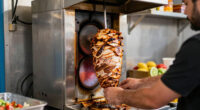
Choosing the right Type I hood for your concession trailer is essential for safety, compliance, and efficiency. Make certain the hood matches your appliances’ size and coverage, avoiding undersized or oversized options that can cause problems or unnecessary costs. Proper installation, maintenance, and material choices like stainless steel guarantee durability and easy cleaning. Investing in a high-quality, correctly fitted hood keeps your mobile kitchen safe and compliant—keep exploring to learn how to choose and maintain the best system for your needs.
Key Takeaways
- Ensure the hood size matches your cooking appliances for optimal ventilation and safety compliance.
- Choose durable materials like stainless steel for longevity and ease of cleaning.
- Properly install with adequate clearance and correct ductwork to maximize airflow efficiency.
- Regularly maintain and clean filters and ducts to prevent grease buildup and fire hazards.
- Prioritize high-quality hoods that enhance safety, air quality, and regulatory compliance for long-term operation.
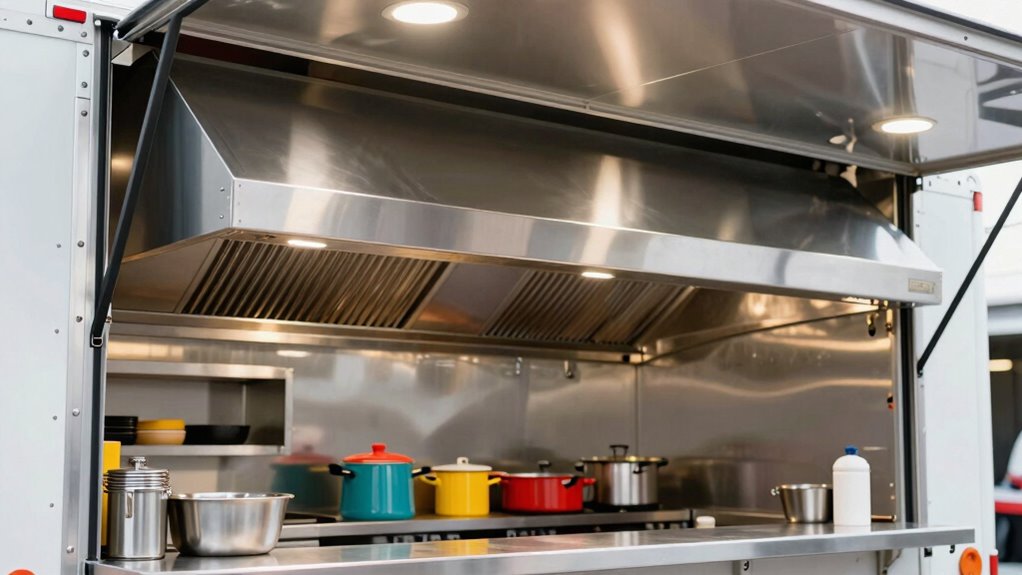
When running a concession trailer, having the right ventilation system is crucial for safety and compliance, and that’s where Type I hoods come into play. These hoods are designed to remove grease, smoke, heat, and odors generated by cooking equipment, making them a necessary component of your mobile kitchen. Choosing the right Type I hood directly impacts ventilation efficiency, ensuring that harmful airborne contaminants don’t build up inside your trailer. Proper ventilation not only keeps your workspace safer but also helps you meet health and safety regulations, avoiding costly fines or shutdowns.
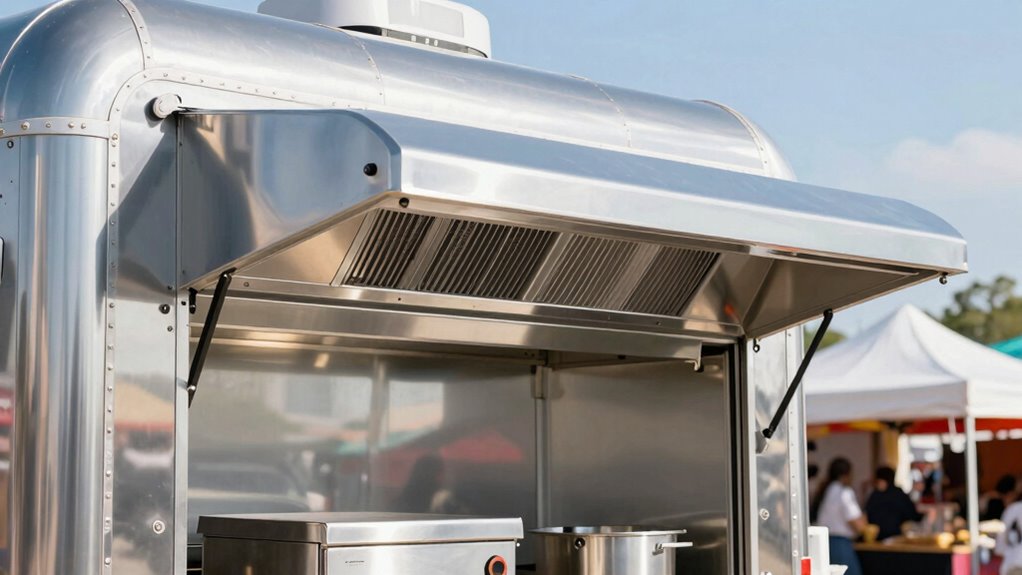
As you consider your options, pay close attention to the size and coverage of the hood. It needs to match the dimensions of your cooking appliances, such as fryers, griddles, or ranges. An undersized hood won’t effectively capture all the grease-laden vapors, reducing ventilation efficiency and risking grease buildup that can lead to fires or foul odors. Conversely, an oversized hood might be unnecessary and more expensive, so measure carefully and consult safety standards to determine the appropriate dimensions. The material of the hood is equally important; stainless steel is preferred for its durability, ease of cleaning, and resistance to corrosion.
Installation is critical for maximum performance. A properly mounted Type I hood should have adequate clearance from heat sources and be installed with proper ductwork that ensures smooth airflow. When correctly vented, these hoods maximize ventilation efficiency, removing smoke and grease vapors quickly and effectively. This reduces the risk of grease fires and improves air quality inside your trailer. It’s also essential to connect your hood to a grease containment system—such as a grease cup or trap—to prevent grease buildup in the ductwork, which could compromise both ventilation efficiency and safety compliance. Regular maintenance and cleaning of the system ensure optimal operation and safety. Incorporating proper installation practices and adhering to safety standards can significantly improve the longevity and effectiveness of your ventilation system. Additionally, understanding the local fire codes related to hood installation can help you avoid penalties and ensure compliance.
Maintenance shouldn’t be overlooked. Regular cleaning of your hood’s filters and ductwork ensures continuous ventilation efficiency. Neglecting this can lead to grease accumulation, which not only hampers airflow but also becomes a fire hazard. Staying on top of maintenance also ensures you remain compliant with safety standards, avoiding potential citations. When selecting a Type I hood, verify that it meets local fire codes and industry standards, giving you peace of mind that your mobile kitchen remains safe, compliant, and efficient. In the end, investing in a high-quality, properly installed Type I hood is a smart decision that enhances safety, improves air quality, and keeps your concession trailer operating smoothly.
Type I hood for concession trailer
As an affiliate, we earn on qualifying purchases.
As an affiliate, we earn on qualifying purchases.
Frequently Asked Questions
How Often Should I Inspect and Clean My Type I Hood?
You should inspect and clean your Type I hood at least monthly, but the maintenance schedule depends on your cooking volume. High-use kitchens require more frequent cleaning, ideally weekly. Regular inspections help spot grease buildup or damage early, ensuring safety and compliance. Establishing a consistent cleaning frequency not only prevents fire hazards but also keeps your mobile kitchen running smoothly, saving you time and potential costly repairs down the line.
Are There Specific Certifications Required for Mobile Kitchen Hoods?
Yes, you need specific certifications for mobile kitchen hoods to guarantee kitchen safety and meet ventilation standards. Look for UL 710B certification, which confirms compliance with fire safety and ventilation regulations. These certifications verify that your Type I hood is designed to handle grease-laden vapors safely, helping you maintain a compliant, safe, and efficient mobile kitchen environment. Always verify certifications before purchasing or installing your hood.
Can I Customize a Type I Hood for Unique Cooking Equipment?
Think of a Type I hood as a tailored suit—it can be customized to fit your unique cooking equipment perfectly. You can explore various customization options to guarantee your hood accommodates specific appliances, exhaust needs, and configurations. By working with manufacturers experienced in mobile kitchens, you’ll get a hood that seamlessly integrates with your setup, offering ideal ventilation and safety tailored just for your unique equipment.
What Is the Typical Lifespan of a Type I Hood in a Concession Trailer?
A Type I hood in your concession trailer typically lasts around 10 to 15 years, depending on how well you maintain it. Regular cleaning is essential for kitchen safety and to preserve equipment durability. If you keep up with inspections and cleanings, the hood remains effective and safe, extending its lifespan. Neglecting maintenance can shorten its life and compromise your kitchen’s safety standards.
How Do I Ensure Proper Ventilation Efficiency With My Hood Setup?
To guarantee proper ventilation efficiency, focus on maintaining ideal kitchen airflow by regularly cleaning your hood and filters. Keep the hood free of grease buildup through routine hood maintenance, which prevents airflow obstruction. Check that the exhaust system is unobstructed and functioning correctly. Properly installed and maintained hoods promote effective smoke and heat removal, ensuring a safe, compliant, and comfortable working environment in your concession trailer.
stainless steel kitchen ventilation hood
As an affiliate, we earn on qualifying purchases.
As an affiliate, we earn on qualifying purchases.
Conclusion
Choosing the right Type I hood isn’t just about compliance; it’s about safeguarding your passion and your customers. Think of it as the silent guardian of your mobile kitchen, quietly working behind the scenes while you focus on serving up excellence. Just like a well-tuned engine powers your trailer forward, a proper hood keeps your operation running smoothly and safely. Invest wisely now, and enjoy the peace of mind that comes with knowing you’re covered—inside and out.
commercial grease hood for mobile kitchen
As an affiliate, we earn on qualifying purchases.
As an affiliate, we earn on qualifying purchases.
As an affiliate, we earn on qualifying purchases.